 Save
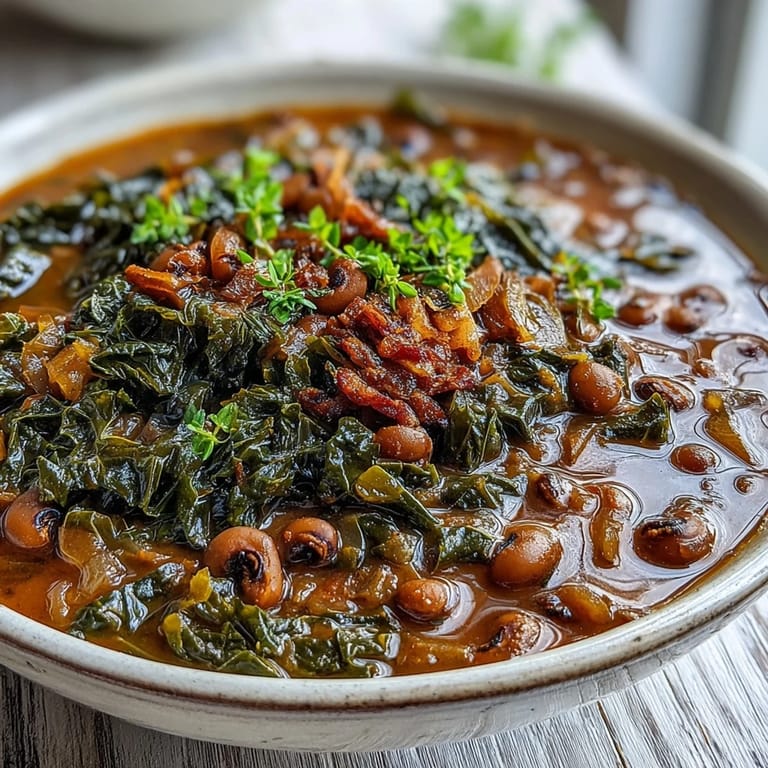
Save My grandmother kept a cast-iron pot on the back of her stove year-round, and whenever we'd visit on a cold afternoon, that pot would be simmering with something that made the whole house smell like home. This black-eyed pea and collard green stew is exactly that kind of dish—the one that brings people together without needing fancy plating or complicated technique. The first time I made it myself, I was surprised at how the simple vegetables and humble legumes transformed into something so deeply satisfying. There's real magic in letting time and low heat do the work.
Last winter I made this for my neighbor who'd just moved in, and I'll never forget how her kitchen looked when I arrived with the pot—empty, uncertain, kind of lonely. By the time that stew had simmered for an hour, the whole place smelled lived-in and warm. She's made it at least a dozen times since, and now she makes extra to give away. Food has this quiet way of turning strangers into something closer.
Ingredients
- Olive oil: This is your foundation for building flavor, so don't skip it or use something too thin-tasting.
- Yellow onion, carrots, and celery: This trio (called mirepoix in fancy kitchens) creates the flavor base that makes everything else taste richer and more alive.
- Garlic: Just three cloves, but they bloom when you cook them in that hot oil and become the soul of the whole pot.
- Jalapeño: Optional, but it adds a gentle warmth that lingers rather than shouts—seed it if you want the flavor without the serious heat.
- Collard greens: Look for bunches with firm, dark leaves, and don't skip removing those tough stems no matter how much work they seem.
- Diced tomatoes: Use canned if fresh tomatoes aren't in season; the juice adds acidity and complexity that brightens everything.
- Black-eyed peas: Cooked dried peas have better texture than canned, but canned work beautifully if you rinse them well to remove excess sodium.
- Vegetable broth and water: The combination matters—too much broth can overpower, so the water balances it and lets the vegetables shine through.
- Smoked paprika: This is the secret note that makes people ask what spice you're using; it's what separates this from plain stew.
- Dried thyme and bay leaves: These old-school seasonings are there for a reason—they add an earthiness that modern palates often overlook but your grandparents understood intuitively.
- Cayenne pepper: Keep this optional until you taste the base, then decide if you want that extra kick.
- Apple cider vinegar: Added at the end, this brightens everything and prevents the stew from tasting flat or heavy.
Tired of Takeout? 🥡
Get 10 meals you can make faster than delivery arrives. Seriously.
One email. No spam. Unsubscribe anytime.
Instructions
- Build your base with heat and patience:
- Heat the oil in your largest, heaviest pot over medium heat—a Dutch oven is ideal because it holds heat evenly. Add the diced onion, carrots, celery, and jalapeño if using, and let them soften slowly for 6 to 8 minutes, stirring occasionally. You're not rushing this; you're coaxing out sweetness and creating the foundation for everything else.
- Bloom the aromatics:
- Add your minced garlic and cook for just one minute until it fills the air with that unmistakable fragrance. Don't let it brown or it becomes bitter and loses its gentle magic.
- Toast the spices:
- Stir in the smoked paprika, thyme, cayenne if you're using it, salt, and black pepper, cooking for about one minute to wake them up. This brief heating releases their oils and makes them taste more pronounced throughout the stew.
- Wilt the greens gently:
- Add your chopped collard greens and stir them into the pot for 3 to 4 minutes until they release their liquid and begin to soften. They'll seem like a lot at first, but they collapse down quickly and become tender.
- Build the liquid base:
- Pour in the diced tomatoes with their juices, the cooked or canned black-eyed peas, your vegetable broth, and the water, along with the bay leaves. Stir everything together so nothing sticks to the bottom of the pot.
- Let time do the work:
- Bring the stew to a simmer, then reduce the heat to low, cover the pot, and let it cook undisturbed for 45 to 50 minutes. Stir it occasionally so flavors marry evenly, and listen for that gentle, steady bubble that tells you everything is cooking just right.
- Finish with brightness:
- Remove the bay leaves, then stir in the apple cider vinegar, which cuts through any heaviness and makes all the flavors pop. Taste as you go and adjust the seasoning until it tastes like your version of comfort.
 Save
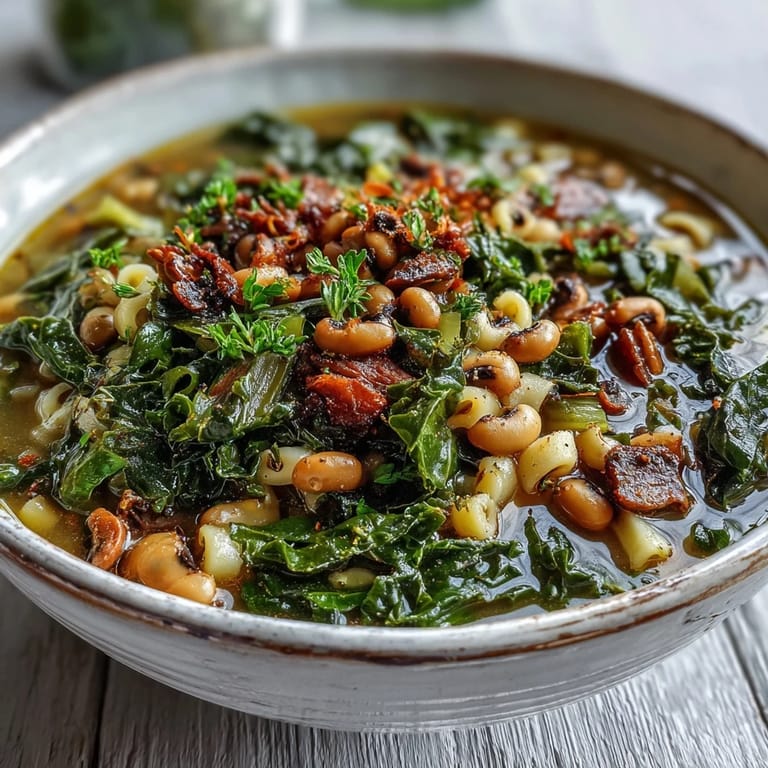
Save There was a moment during a family dinner when my uncle asked for a second bowl, and my mother smiled at me across the table in a way that said more than words could. That's when I understood this recipe wasn't just about feeding people; it was about being part of a tradition that mattered. It's a dish that tastes like belonging.
Playing with Heat and Smokiness
If you want to add that deep, smoky richness that some versions have, you have options that all work beautifully. Sauté 4 ounces of diced smoked turkey or ham right in with your initial vegetables, and it'll perfume the entire pot as it cooks, adding both flavor and a subtle depth that vegetarians won't have unless you add a teaspoon of liquid smoke to the spices instead. I've made it both ways, and both versions have their place—the meat version feels more indulgent, while the liquid smoke version is lighter but still satisfying. The choice depends on who's eating and what your kitchen smells like most often.
Adjusting for Your Taste
This stew is remarkably flexible because its soul comes from the interplay of flavors rather than one single note. If you like things spicy, increase the jalapeño or add more cayenne—I've had friends make this version that builds heat gently with every spoonful, turning it into something that wakes you up. If you prefer softer, rounder flavors, dial back or omit the heat entirely and let the smoked paprika and thyme do the talking. Some people finish with a splash of lemon juice instead of vinegar, which brightens it differently but still works, or they'll serve it with hot sauce on the side so everyone can control their own experience.
Serving and Storage
Serve this hot with cornbread on the side, or over rice if you want something more substantial—it soaks up the broth beautifully and turns simple grain into something memorable. This stew actually improves after a day or two in the refrigerator as the flavors continue to meld and deepen, so it's wonderful for batch cooking on a Sunday evening. It freezes well too, though the collard greens lose some of their texture, so if you're freezing ahead, you might add fresh greens when you reheat.
- Make extra and freeze in portions: This stew is perfect for those evenings when you're too tired to cook but too hungry to skip a real meal.
- Taste before serving: Every ingredient varies slightly, so a final adjustment to salt or vinegar takes it from good to exactly right.
- Let it rest for five minutes after cooking: This gives the flavors a moment to settle and makes everything taste more intentional.
 Save
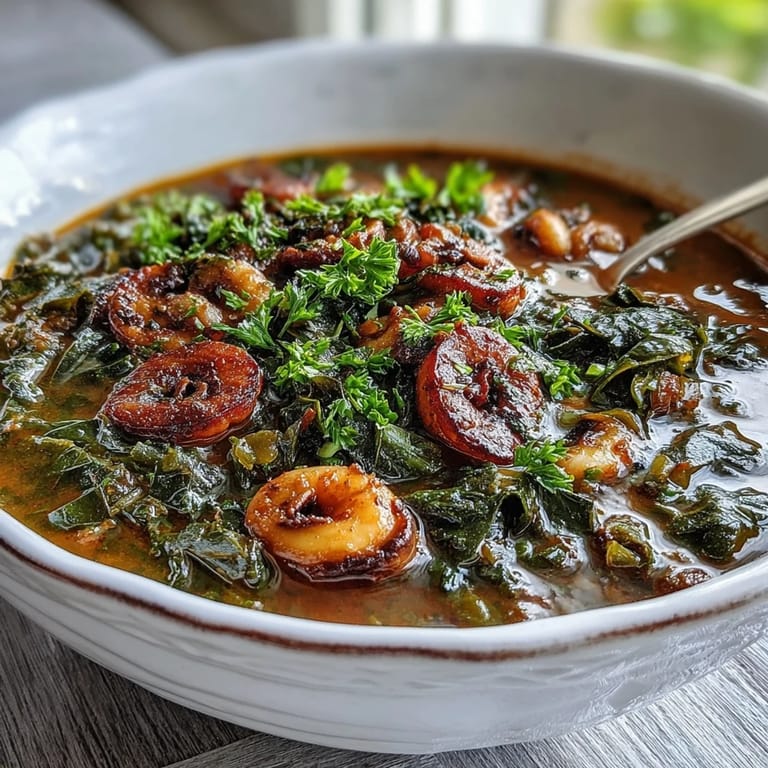
Save This stew has fed my family through winters and brought neighbors together on ordinary evenings, proving that the most nourishing food isn't complicated—it's the kind you make without overthinking, that tastes like someone cares. Make it, share it, and watch what happens when people taste something made with real intention.
Recipe FAQs
- → What is the best way to prepare the collard greens?
Remove the stems and chop the leaves before adding them to the pot. Cooking for 3-4 minutes helps them begin to wilt and absorb flavors.
- → Can I add meat for extra flavor?
Yes, sautéing diced smoked turkey or ham with the vegetables adds smoky richness. Alternatively, liquid smoke can be added with the spices.
- → How spicy is the stew, and can it be adjusted?
It has a gentle heat from jalapeño and optional cayenne pepper, both of which can be increased or omitted according to taste.
- → What sides complement this stew well?
Cornbread is a classic pairing that balances the smoky, savory flavors and adds a satisfying texture contrast.
- → How long should the stew simmer for optimal flavor?
Simmering on low heat for 45–50 minutes allows the collards to become tender and the flavors to meld beautifully.