 Save
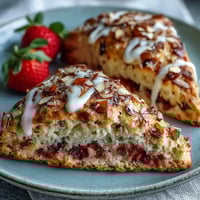
Save I still remember the morning my sister surprised us with a sprawling brunch board at her apartment overlooking the park. It was one of those lazy Sunday gatherings where time seemed to pause, and everything on the table felt like a love letter to the occasion. The way she'd arranged those golden pancakes and tender scones in graceful arcs, punctuated with jewel-toned berries, made us all pause before eating. I realized that morning that breakfast could be art, and that sharing food this way—casually elegant, generously abundant—was its own kind of magic.
What I love most is that moment when people arrive and their eyes light up at the sight of it. I made this for a friend's birthday brunch, and she cried a little bit—not because the food was fancy, but because the care was visible in every thoughtful arrangement. It became the thing everyone still talks about.
Ingredients
- All-purpose flour (1 3/4 cups total): This is your foundation for both the pancakes and scones. The magic is in not overworking it; treat it gently and you'll get tender results every time.
- Baking powder and baking soda: These are your rise agents. Make sure yours are fresh—old leavening is the silent killer of fluffy pancakes and scones. Replace them every 6 months.
- Cold unsalted butter (for scones): This has to be cold. I learned this the hard way by melting it halfway through. Keep it in the freezer until the last second, then cube it directly into your dry mixture. The cold pockets create those tender, flaky layers.
- Buttermilk and heavy cream: These add richness and ensure your pancakes are fluffy and your scones are delicate. Regular milk won't give you the same tender crumb, so don't skip this.
- Fresh fruit: Choose whatever's in season where you are. The colors matter as much as the taste—think jewel tones. Strawberries, blueberries, kiwi, and grapes create a gorgeous palette. Pat everything dry after slicing so it doesn't weep onto your beautiful board.
- Pure maple syrup: Invest in the real thing. Serve it in a small pitcher so people can drizzle as they wish. It's the centerpiece detail that ties everything together.
Tired of Takeout? 🥡
Get 10 meals you can make faster than delivery arrives. Seriously.
One email. No spam. Unsubscribe anytime.
Instructions
- Whisk your dry ingredients for the pancakes:
- In a mixing bowl, whisk together your flour, sugar, baking powder, baking soda, and salt. This aerates the flour and distributes the leavening evenly. You're looking for a light, even texture. Don't overthink it—just a minute of whisking is enough.
- Combine the wet pancake mixture gently:
- In another bowl, whisk your buttermilk, egg, melted butter, and vanilla until just combined. The melted butter should still be slightly warm but not hot. Take a moment to appreciate the glossy mixture—this is what will give your pancakes their lift.
- Fold wet into dry with a light hand:
- Pour the wet ingredients into the dry and stir until just combined. It's okay if there are a few lumps—in fact, those lumps mean you haven't overworked the batter, which is exactly what you want. Overworked batter makes tough pancakes. This is the moment that changed everything for me.
- Heat your skillet with patience:
- Get a nonstick skillet or griddle warm over medium heat. You'll know it's ready when a drop of water sizzles gently across it. Too hot and your pancakes burn before cooking through; too cool and they spread like sad puddles. Lightly grease it and wait for that shimmer.
- Cook the mini pancakes to golden perfection:
- Drop the batter by heaping tablespoonfuls onto your warm skillet. You'll see the edges look slightly cooked and dry before you flip. That's your cue—about 1 to 2 minutes. Flip gently, cook another minute or so until the second side is golden. Let them cool on a rack so they don't steam and get soggy.
- Prepare your scone dough with cold precision:
- Preheat your oven to 400°F (200°C) and line a baking sheet with parchment. In a bowl, combine flour, sugar, baking powder, and salt. Here comes the crucial part: cut the cold butter into cubes and work it into the dry mixture until it resembles coarse crumbs. Your fingers are the best tool for this. You want visible butter pieces—they'll create those pockets of flakiness that make scones sing.
- Bring the scone dough together with a gentle touch:
- In a small bowl, whisk together your heavy cream, egg, and vanilla. Pour this into your flour mixture and stir until just combined. If you're adding dried cranberries or chocolate chips, fold them in now. The dough should come together with minimal handling. This is not bread dough. Rough handling is your enemy here.
- Shape and cut with care:
- Turn the dough onto a lightly floured surface and gently pat it to about 3/4-inch thickness. Using a small round cutter or a knife, cut out scones and place them on your parchment-lined baking sheet. Don't twist the cutter—straight down and up, or you seal the edges and prevent rising. These small details separate good scones from the ones you dream about.
- Bake until golden and fragrant:
- Bake for 10 to 12 minutes until the tops are just golden. You'll smell something buttery and irresistible. Pull them out when they're barely golden, not dark. They'll firm up as they cool. Cool them on a rack so steam doesn't make them soggy.
- Prepare your fruit with intention:
- Wash, peel, and slice everything as directed. Pat all the fruit completely dry with paper towels—this is where people skip a step and regret it. Wet fruit turns your beautiful board into a soggy situation. Take your time here.
- Arrange like you're creating art:
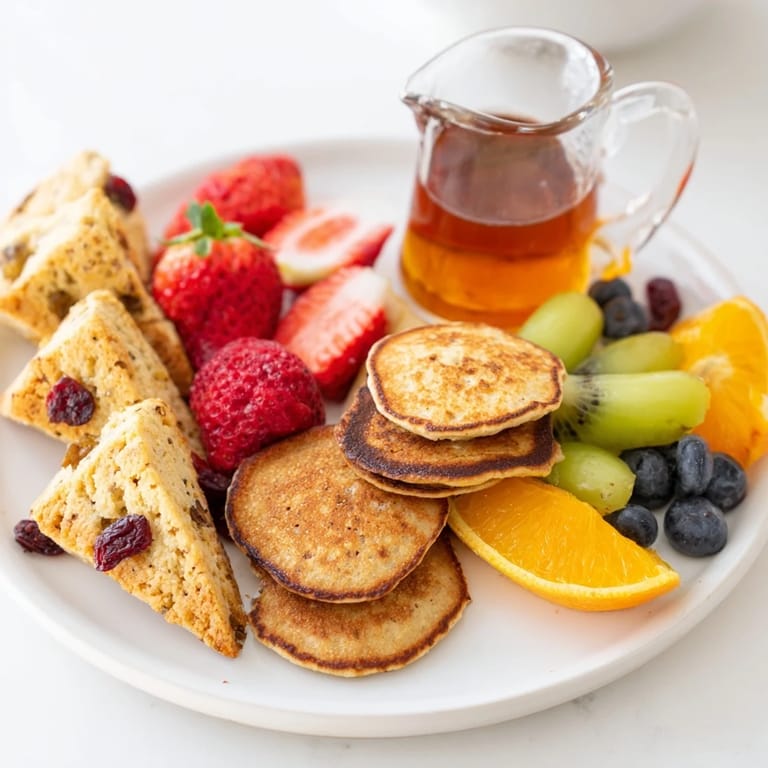
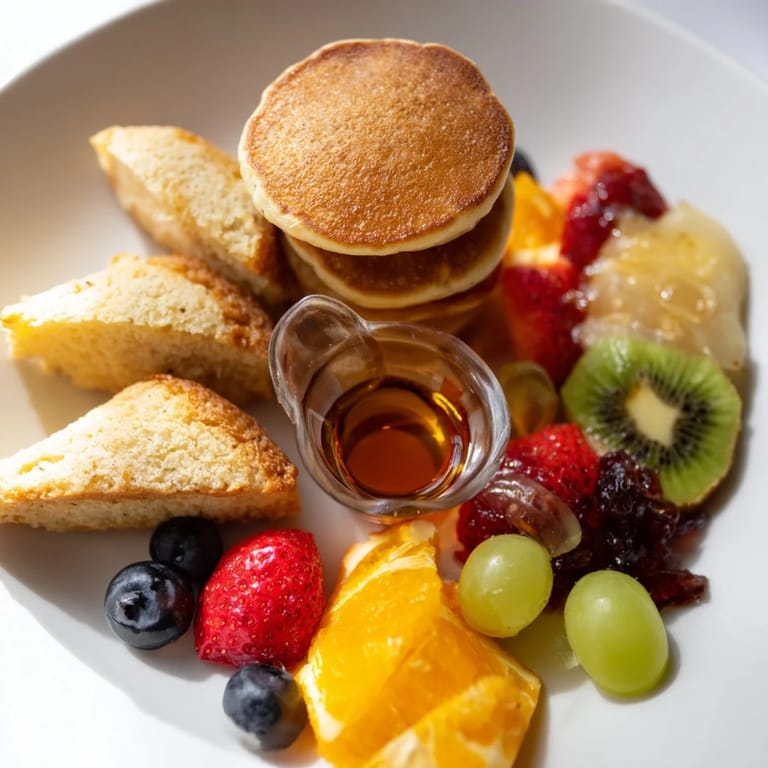
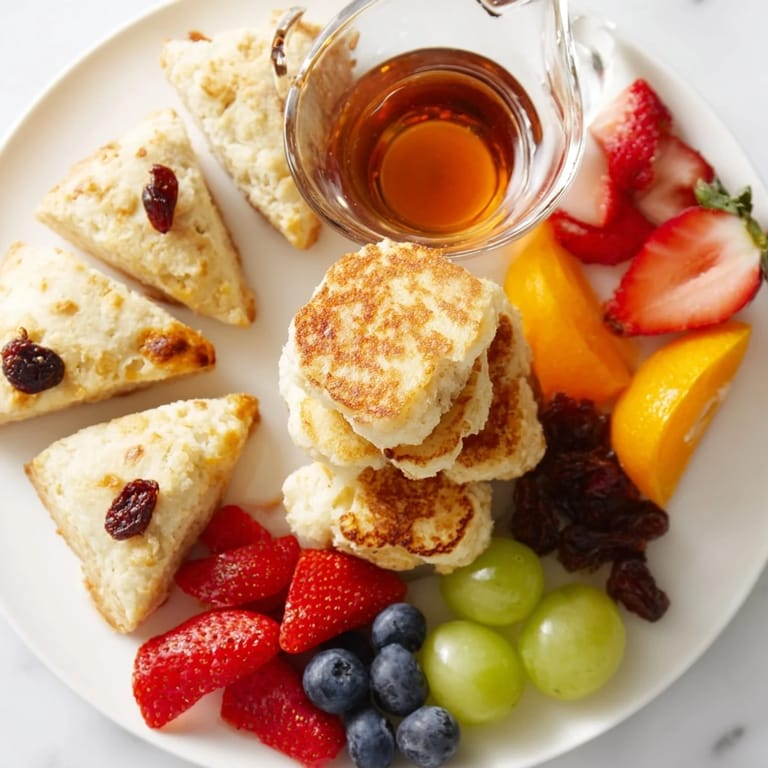
- On a large board or platter, arrange your cooled pancakes and scones in graceful, flowing lines. Fill the spaces between with clusters of fruit—group colors together for impact. Place that small pitcher of syrup right in the center, where it becomes both practical and beautiful. If you're using fresh mint or whipped cream, place those strategically for color and to signal indulgence.
 Save
Save I'll never forget watching my neighbor's face when she arrived for our monthly brunch gathering and saw this spread waiting for her. She's usually reserved, but she actually gasped. Then everyone gathered around like it was a feast, and suddenly we were all eating with our hands and laughing like we didn't have anywhere else to be. That's when I understood—it's not about perfection, it's about creating a moment where people feel genuinely cherished.
A brunch board is really about balance and visual flow. You're not just feeding people; you're creating an experience they can see before they taste. Think about color distribution—don't cluster all the berries in one corner. Let each element have its moment. The negative space on the board matters too. I used to pile everything on thinking abundance meant crowding, but I learned that breathing room actually makes the spread feel more generous, not less. It's counterintuitive but true.
This is where planning makes the difference between chaos and grace. The scones can be made the night before and warmed gently in a 300°F oven for five minutes just before serving. The pancakes are best cooked 30 minutes before your guests arrive, then kept warm on a rack in a 200°F oven. The fruit should be the last thing you prepare and arrange—just 10 minutes before people sit down. When you nail this timing, everything arrives at the table at its absolute best.
One of the beautiful things about this board is how personal it becomes. I've made it with blueberries and lemon zest in the scones. I've seen friends add honeycomb candy or candied orange peel scattered across the fruit. Another friend's version includes tiny pastries from her favorite bakery mixed in with homemade components. The formula works as the foundation, but your version tells your story. The only rule I'd give: keep the color palette cohesive and the arrangement intentional.
- Substitute seasonal fruit—in summer, add fresh peaches and raspberries; in winter, pomegranate seeds and mandarin oranges create jewel tones.
- Try adding a small bowl of honey, nut butter, or chocolate sauce for drizzling—give people options to customize their plate.
- Toast the scones gently if you've made them ahead; it brings back that just-baked tenderness that guests expect.
 Save
Save Make this recipe and you're not just serving breakfast—you're creating a memory. That's the real magic here.
Recipe FAQs
- → How can I keep mini pancakes fluffy and tender?
Use buttermilk and avoid overmixing the batter for light and fluffy pancakes. Cook on medium heat to ensure even cooking.
- → What is the best way to shape mini scones evenly?
Pat the dough to an even thickness and use a small round cutter or knife to create uniform shapes for consistent baking.
- → Can I substitute dried cranberries with other ingredients in scones?
Yes, mini chocolate chips or other dried fruits work well to add sweetness and texture to the scones.
- → How do I assemble a balanced brunch board?
Arrange the pancakes and scones in curves or lines, fill gaps with fresh fruit clusters, and place syrup centrally for easy serving.
- → What fruits work best for this kind of platter?
Seasonal fruits like strawberries, kiwi, blueberries, grapes, and segmented oranges provide varied color and brightness.