 Save
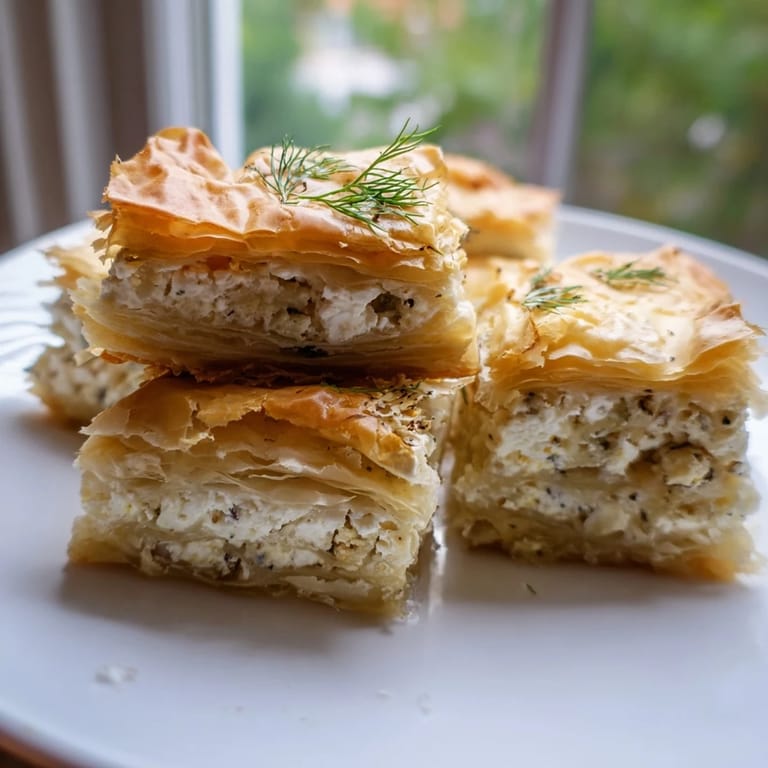
Save The first time I bit into a proper banitsa, I was sitting in a cramped Sofia kitchen on a Sunday morning, the kind where golden light streamed through old windows and the smell of butter and feta filled every corner. My neighbor's mother had just pulled it from the oven, steam rising off those impossibly crispy, flaky layers, and I watched her cut into it with the kind of casual confidence that comes from making something a thousand times. She handed me a warm square with a knowing smile, and I understood why this simple pastry has been a Bulgarian staple for generations—it's the kind of food that tastes like home, even if home is somewhere you've never been.
Years later, I made this for my roommate on a Tuesday morning when she was stressed about exams, and watching her face light up at that first bite reminded me that food doesn't need to be complicated to be meaningful. She ate two pieces in silence, then asked for the recipe, and I realized that banitsa had become my own small kitchen ritual—something I make when I want to give someone comfort without fanfare.
Ingredients
- Feta cheese, crumbled (400 g): The star of the filling—use good quality feta that's creamy but not too wet, or it'll make your banitsa soggy.
- Plain yogurt (250 ml): This adds tang and moisture, and it's what keeps the filling from being too dense.
- Eggs (4 large): They bind everything together and give the filling its custard-like texture when baked.
- Melted unsalted butter (60 g): For brushing between layers—this is what creates those glorious crispy, golden sheets.
- Whole milk (50 ml): Loosens the filling just enough so it spreads smoothly without drying out.
- Phyllo dough (about 400 g, thawed): Find it in the freezer section; thawing it properly prevents it from cracking and tearing.
- Salt (1/2 tsp) and freshly ground black pepper (1/4 tsp): These simple seasonings let the cheese and eggs shine without overshadowing them.
Tired of Takeout? 🥡
Get 10 meals you can make faster than delivery arrives. Seriously.
One email. No spam. Unsubscribe anytime.
Instructions
- Get your oven and dish ready:
- Preheat to 180°C (350°F) and brush a 23 x 33 cm baking dish with melted butter—this prevents sticking and adds flavor right from the start.
- Make the filling:
- Whisk together eggs, yogurt, milk, salt, and pepper until smooth, then gently fold in the crumbled feta. Don't overmix; you want some cheese pieces to stay distinct.
- Protect your phyllo:
- Unroll the dough and immediately cover it with a damp (not wet) kitchen towel so it doesn't dry out and become brittle.
- Start layering:
- Place one phyllo sheet in the dish and brush it lightly with melted butter—think of it as painting, not soaking. Repeat with three more sheets.
- Add the first filling layer:
- Spread about one-quarter of the cheese mixture evenly over the phyllo. You should be able to see the phyllo peeking through slightly.
- Build the middle layers:
- Alternate three to four buttered phyllo sheets with more filling until all the filling is used, finishing with three to four final phyllo sheets on top, each brushed with butter.
- Score before baking:
- Using a sharp knife, cut the banitsa into squares or diamond shapes. This makes it easier to serve and ensures the heat reaches all the layers.
- Final butter and into the oven:
- Drizzle any remaining melted butter over the top, then bake for 30–35 minutes until the surface is deep golden brown and crispy.
- Rest and serve:
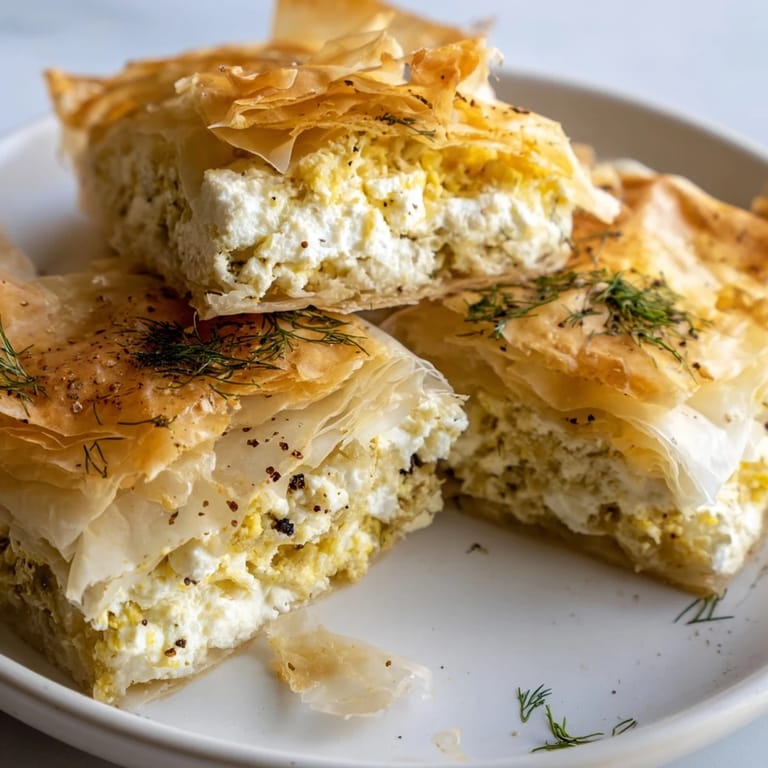
- Let it cool for 10 minutes before cutting into portions—this helps the layers set slightly so they don't fall apart when you lift a piece out.
 Save
Save I remember my first attempt, when I tried to rush through the layering and skipped the damp towel trick—my phyllo turned into papery, brittle sheets that cracked in my hands. The banitsa still tasted good, but it felt fragile, like it might crumble to dust if you looked at it wrong. The second time, I slowed down, respected the phyllo, and that's when I understood why this dish is worth the careful, repetitive work.
The Magic of Phyllo
Phyllo dough is deceptively simple—just flour, water, and a little oil—but it transforms into something almost miraculous when you layer and butter it properly. Each time you brush and fold, you're creating tiny pockets of air that puff up in the oven's heat, making the pastry crisp and golden. It's the kind of technique that looks intimidating until you realize it's just repetition and patience, and once you get it, you'll find yourself using phyllo for everything.
The Filling Balance
What makes banitsa special isn't just one ingredient—it's how feta, eggs, and yogurt come together to create something that's richer than cheese alone, but brighter than a straight custard. The yogurt is the secret player here; it adds a subtle tang that cuts through the richness of the cheese and makes every bite feel fresh. When you fold in the feta, you're not trying to make it perfectly smooth—those little crumbly bits of cheese are part of the charm.
Variations and Personal Touches
Once you master the basic banitsa, the fun begins—try stirring fresh dill or parsley into the filling for brightness, or crumble in a little Bulgarian sirene cheese if you want something milder and creamier. Some people add a splash of rakija (or brandy) to the filling for depth, while others layer in sautéed spinach or caramelized onions for something entirely different. The structure and technique stay the same; you're just playing with flavors.
- A handful of fresh dill stirred into the filling adds a herbaceous note that feels both traditional and modern.
- If feta is too intense, mix in ricotta or sirene cheese to soften the flavor without losing character.
- Cold banitsa keeps well in the fridge for days and actually tastes wonderful at room temperature with a cup of coffee.
 Save
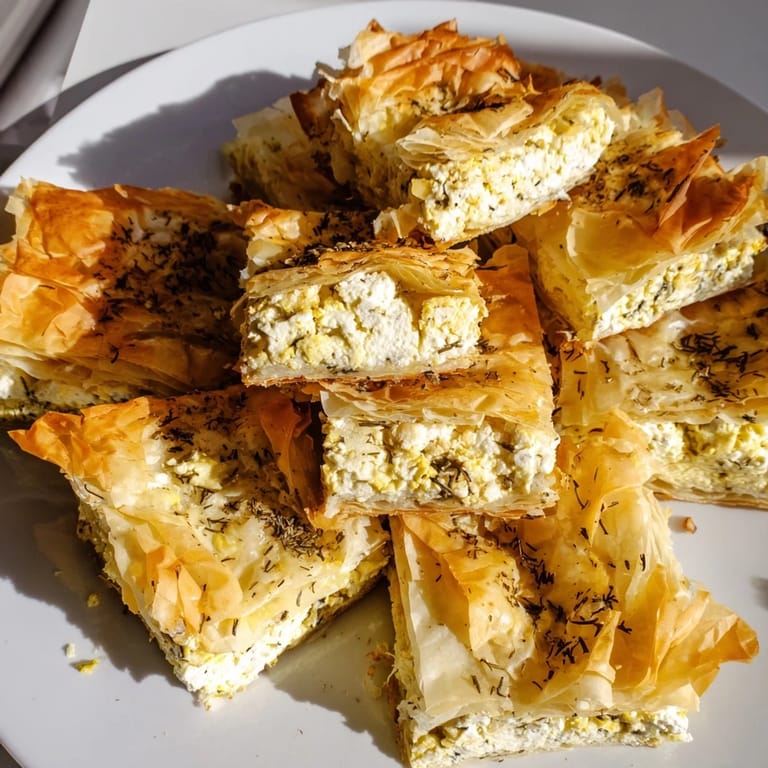
Save Banitsa is one of those dishes that feels like a gift every time you make it—simple ingredients transformed by patience and technique into something golden, crispy, and deeply satisfying. Serve it warm from the oven with a glass of cold ayran and a simple tomato-cucumber salad, and you'll understand why it's been a Bulgarian favorite for centuries.
Recipe FAQs
- → What type of cheese is best for Banitsa?
Feta cheese is traditionally used for its tangy flavor and crumbly texture, but Bulgarian sirene or ricotta can also be good alternatives.
- → How do you keep phyllo dough from drying out?
Keep the phyllo sheets covered with a damp towel while assembling to prevent them from becoming brittle.
- → Can Banitsa be prepared ahead of time?
Yes, it can be assembled and refrigerated before baking, but bake it fresh for the best crispiness.
- → What herbs complement the filling?
Fresh dill or parsley added to the cheese and egg mixture adds a bright, herbaceous note.
- → What is the best way to serve Banitsa?
Serve warm or at room temperature, accompanied by a yogurt-based drink like ayran or a fresh salad.