 Save
Save The smell of rosé wine warming in the pot always brings me back to a spring dinner party I hosted on impulse. I had invited friends over and realized too late I'd never made traditional coq au vin, only read about it. All I had was a bottle of rosé someone left behind, and I figured why not try something lighter. The chicken turned out so silky and the sauce so delicate that everyone assumed I'd been making it for years. That night taught me that sometimes the best dishes come from what you have, not what the recipe demands.
I started making this in late spring when rosé season begins and the farmers market has the first fresh herbs. One evening, I made it for my sister who was going through a rough patch, and we sat at the table long after we finished eating, just talking and soaking bread in the creamy sauce. She still asks for it whenever she visits. It became our comfort meal, the kind that slows time down and makes room for conversation.
Ingredients
- Bone-in, skin-on chicken pieces: Thighs and drumsticks stay juicy during the long braise and the skin crisps beautifully when you brown them first.
- Dry rosé wine: Choose something you'd actually drink, not cooking wine, because its flavor becomes the soul of the sauce.
- Olive oil: A good fruity olive oil adds richness to the browning step and helps build those caramelized bits on the bottom of the pot.
- Onion, garlic, carrots, leek: This aromatic base sweetens as it cooks and gives the sauce body and depth.
- Cremini or button mushrooms: Quartered mushrooms soak up the wine and release their earthy flavor into every spoonful.
- Tomato paste: Just a couple tablespoons deepen the color and add a subtle savory backbone.
- All-purpose flour: Optional, but it helps thicken the sauce into something glossy and spoon-coating.
- Heavy cream: This is what makes the rosé version so luscious and different from the classic, turning the sauce pale pink and velvety.
- Bay leaf, thyme, rosemary: Fresh herbs are best here, they perfume the whole pot and make your kitchen smell like a French countryside inn.
- Salt and black pepper: Season generously at every stage, the chicken needs it and the sauce will taste flat without enough.
- Fresh parsley: A bright green finish that cuts through the richness and makes the plate look alive.
Tired of Takeout? 🥡
Get 10 meals you can make faster than delivery arrives. Seriously.
One email. No spam. Unsubscribe anytime.
Instructions
- Season and dry the chicken:
- Pat each piece completely dry with paper towels so the skin browns instead of steams. Season both sides with salt and pepper, being generous because this is your only chance to season the meat itself.
- Brown the chicken in batches:
- Heat olive oil in your Dutch oven over medium-high heat until it shimmers, then lay the chicken skin-side down without crowding the pot. Let it sizzle undisturbed for about 5 minutes until the skin releases easily and turns golden brown, then flip and brown the other side before transferring to a plate.
- Sauté the vegetables:
- In the same pot with all those beautiful browned bits, add the onions, carrots, and leek, stirring occasionally until they soften and start to smell sweet, about 4 to 5 minutes. Add the mushrooms and cook another 3 minutes until they release their moisture and shrink slightly.
- Build the flavor base:
- Stir in the garlic and let it cook just until fragrant, about a minute, then add the tomato paste and stir it into the vegetables for another minute. If using flour, sprinkle it over everything now and stir to coat the vegetables evenly.
- Deglaze with rosé:
- Pour in the rosé wine and use a wooden spoon to scrape up all the caramelized bits stuck to the bottom of the pot. Nestle the browned chicken back in, add the bay leaf, thyme, and rosemary, and let everything come to a gentle simmer.
- Braise low and slow:
- Cover the pot, reduce the heat to low, and let it cook gently for 45 minutes. The chicken should become so tender it almost falls off the bone, and the wine will mellow into something sweet and complex.
- Finish with cream:
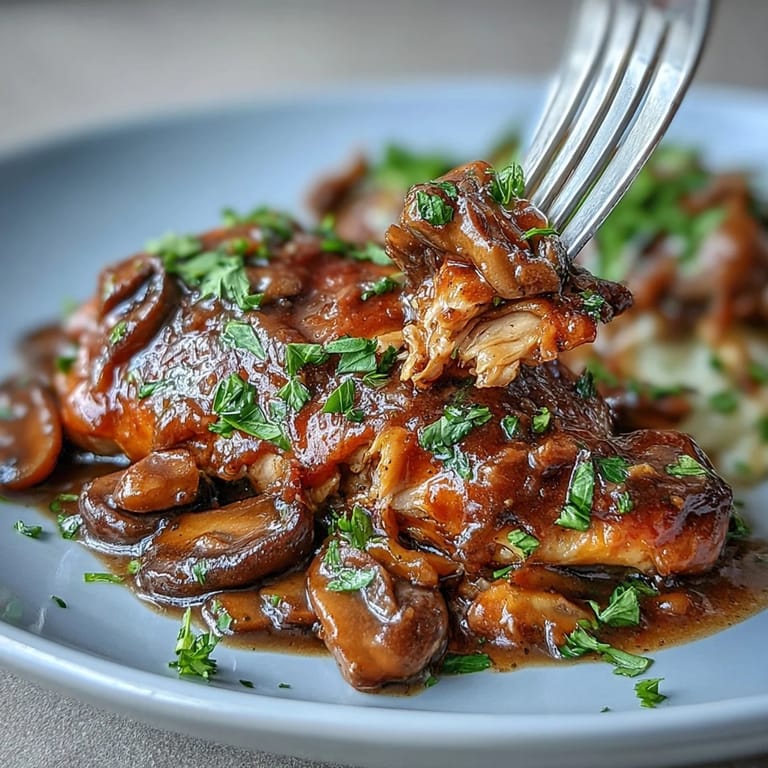
- Fish out the herb sprigs and bay leaf, then stir in the heavy cream. Let the sauce simmer uncovered for 5 to 10 minutes, stirring occasionally, until it thickens just enough to coat the back of a spoon and turns a gorgeous pale rose color.
- Adjust and serve:
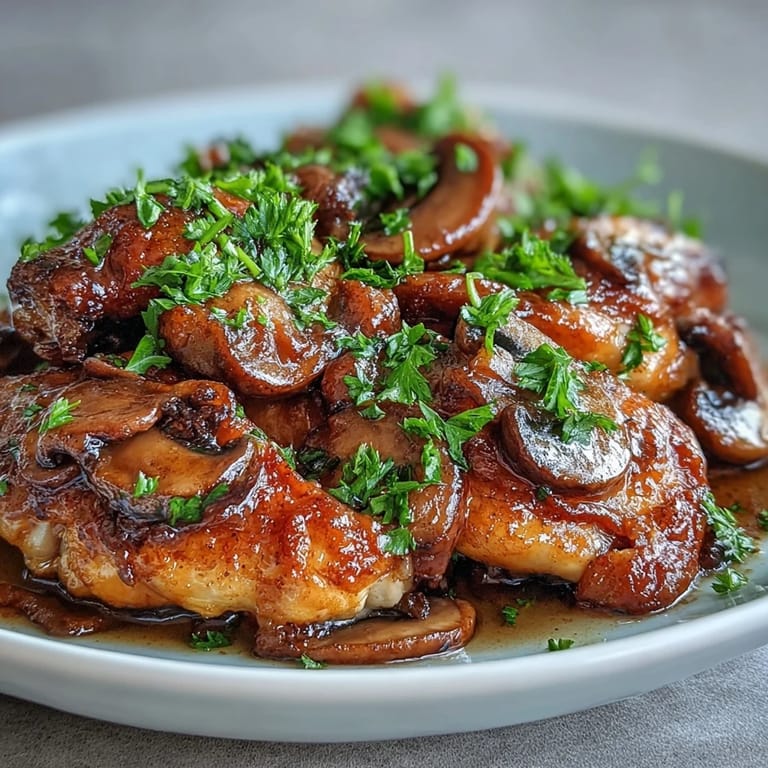
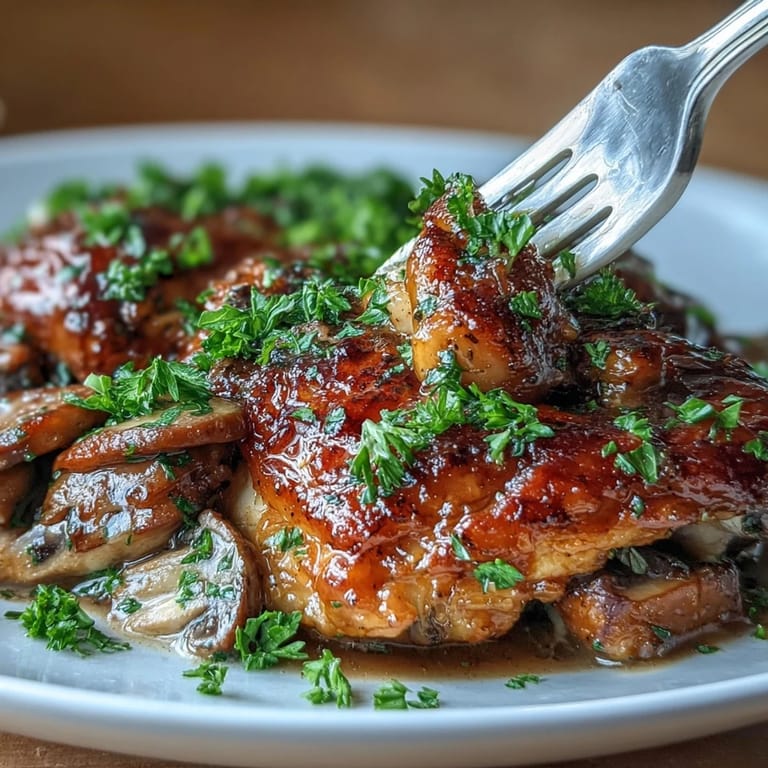
- Taste the sauce and add more salt or pepper if needed. Spoon the chicken into shallow bowls with plenty of sauce and vegetables, then scatter fresh parsley over the top.
 Save
Save The first time I served this to my in-laws, my mother-in-law asked for the recipe halfway through dinner. She'd grown up eating coq au vin in Burgundy and was skeptical about rosé, but she admitted the lightness made it easier to enjoy a second helping. That small approval meant more to me than any cookbook ever could. Now every time I make it, I think of her sitting at our table, reluctantly won over by something new.
What to Serve Alongside
I almost always serve this with buttered new potatoes or a crusty baguette because you need something to soak up that creamy, wine-rich sauce. Rice works too, especially if you want something neutral that lets the chicken shine. On nights when I want to keep it simple, I'll just tear off chunks of good bread and call it dinner, maybe with a green salad dressed in mustard vinaigrette on the side to cut the richness.
Making It Your Own
If you want a deeper flavor, add a splash of cognac or brandy after browning the chicken and let it flame off before adding the wine. I've also made this with half rosé and half chicken stock when I wanted to stretch the wine or tone down the alcohol. For a lighter version, swap the heavy cream for crème fraîche or even half-and-half, though the sauce won't be quite as silky. Some nights I add pearl onions or crispy bacon lardons if I'm feeling traditional, but honestly the rosé version is beautiful enough on its own.
Storage and Reheating
This dish keeps beautifully in the fridge for up to three days, and I'd argue it tastes better the next day when the flavors have married. Just reheat it gently on the stove over low heat, adding a splash of water or stock if the sauce has thickened too much. You can also freeze it without the cream, then thaw, reheat, and stir in fresh cream at the end so it stays smooth and glossy.
- Let the dish cool completely before transferring to airtight containers.
- Reheat slowly to keep the chicken tender and the sauce from breaking.
- If freezing, label it with the date and use within two months for best flavor.
 Save
Save Every time I pull this pot off the stove, I'm reminded that good food doesn't have to follow the rules perfectly. It just has to taste like care, and maybe a little bit of courage to try something new.
Recipe FAQs
- → Can I use chicken breasts instead of thighs and drumsticks?
While you can use chicken breasts, thighs and drumsticks are recommended because they remain tender and juicy during the longer braising time. Breasts may dry out more easily with extended cooking.
- → What type of rosé wine works best for this dish?
Choose a dry rosé wine rather than sweet varieties. A Provence-style rosé or any dry, crisp rosé will work well. Avoid cooking wines and use something you would enjoy drinking.
- → Can I make this dish ahead of time?
Yes, this dish actually improves when made ahead. Prepare it up to 2 days in advance, store in the refrigerator, and gently reheat on the stovetop before serving. The flavors will deepen beautifully.
- → How can I thicken the sauce if it's too thin?
If the sauce is too thin after adding cream, simmer uncovered for a few extra minutes to reduce it. You can also mix a teaspoon of cornstarch with cold water and stir it in, simmering until thickened.
- → What can I substitute for heavy cream?
For a lighter version, use half-and-half or crème fraîche. Greek yogurt can work but add it off heat to prevent curdling. For dairy-free options, try coconut cream or cashew cream.
- → Can I freeze coq au vin rosé?
Yes, this dish freezes well for up to 3 months. Cool completely before freezing in airtight containers. Thaw overnight in the refrigerator and reheat gently, adding a splash of wine or stock if needed.