 Save
Save There's something about May mornings at the farmers market that makes you want to fill your bag with everything green and crisp. I watched a woman arrange radishes in her display like they were precious rubies, their roots still dusted with soil, and I thought how perfect they'd be sliced paper-thin against cool cucumber. That's when this salad was born—not from a recipe, but from the simple pleasure of wanting bright, crunchy things that taste like spring itself.
My neighbor brought this over one June evening when she knew I was tired, and I realized halfway through eating it that I'd been holding my breath all day. The cool crunch of it, the way the dill made everything taste brighter—it was exactly what my shoulders needed. Food like this doesn't ask for much, but it gives back plenty.
Ingredients
- Cucumbers (2 large): Choose firm ones with thin skin if you can find them, and slice them on a mandoline if your knife skills feel shaky—the uniformity matters more than perfection here.
- Radishes (6): These are the spicy backbone of the salad, so don't skip them or apologize for their bite; that peppery snap is the whole point.
- Scallions (2): The green parts especially add a subtle onion whisper that keeps the salad from feeling too sweet.
- Extra virgin olive oil (3 tablespoons): Good oil tastes like itself here, so use one you actually enjoy tasting straight from the bottle.
- White wine vinegar (1 tablespoon): This brings acid without aggression, though you can swap it for apple cider vinegar if you want earthier notes.
- Dijon mustard (1 teaspoon): It emulsifies the vinaigrette and adds depth that keeps this from tasting thin or one-dimensional.
- Honey (1 teaspoon): Just enough to round the edges and make the vinegar less sharp, never enough to make you think of dessert.
- Fresh dill (2 tablespoons): Use the fronds, chop them fine, and don't even think about using the dried stuff—this dish lives or dies by fresh dill.
- Salt and pepper: Taste as you go; you'd be surprised how much seasoning green vegetables can hide.
Tired of Takeout? 🥡
Get 10 meals you can make faster than delivery arrives. Seriously.
One email. No spam. Unsubscribe anytime.
Instructions
- Slice everything thin and true:
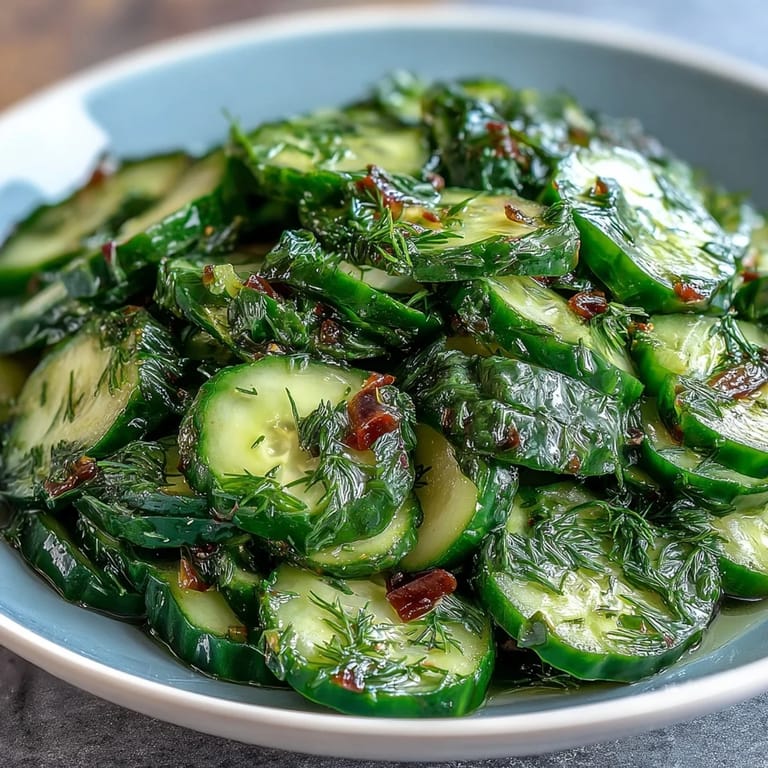
- Arrange your cucumbers and radishes on a cutting board and take your time with the knife, aiming for slices thin enough to catch light. Your radishes especially should be almost translucent if you can manage it, which makes them less aggressively peppery and lets other flavors breathe.
- Build the vinaigrette with intention:
- Pour the olive oil into a small bowl with the vinegar, mustard, honey, and dill, then whisk like you're coaxing something reluctant into cooperation. Watch the mixture tighten and brighten, becoming glossier as the mustard works its emulsifying magic.
- Combine and let time do the work:
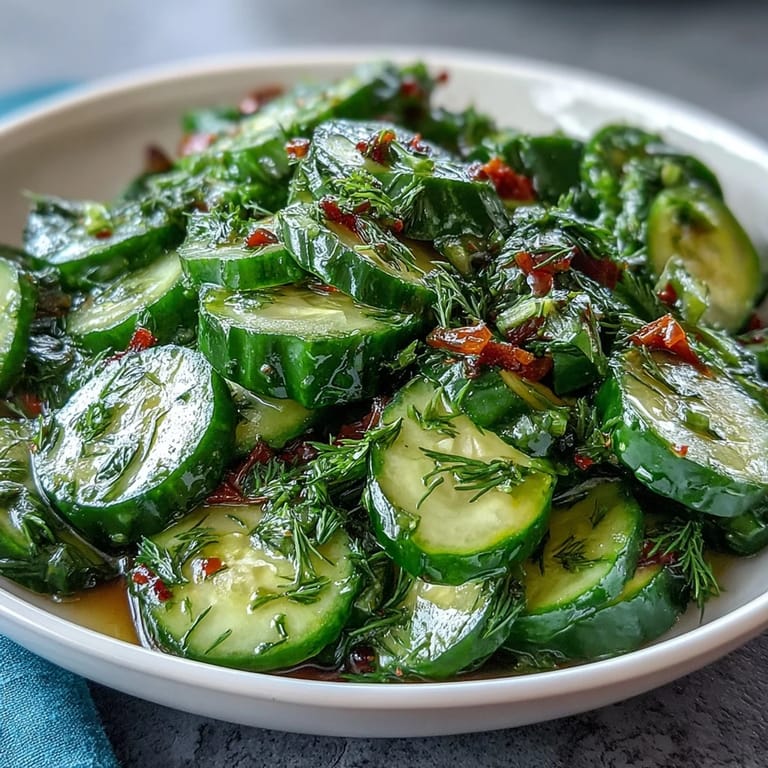
- Toss the vegetables together gently in a large bowl, pour the vinaigrette over top, and give everything a tender turning so every slice gets coated. Step back and let the salad sit for five to ten minutes—this pause is when flavors actually begin to know each other.
 Save
Save I served this at a dinner party once when I was nervous about impressing someone, and instead of worrying about the main course, I found myself watching people just keep reaching for more salad. That's when I understood this dish isn't about complexity or effort—it's about clarity, about letting good things taste like themselves.
When Crunch Matters Most
There's a real difference between a salad that is crunchy and a salad that has forgotten how to be crunchy by the time it reaches your plate. This one resists that slide into disappointment, staying crisp even when you're not eating it immediately. The trick is simple: cold vegetables, dry hands when you're mixing, and not waiting so long that the vinegar starts breaking down the cell structure.
The Dill Question
Some people come to dill late in life, suspicious of its fern-like intensity, wondering if they'll ever trust it. But dill in a vinaigrette isn't aggressive or medicinal—it's almost sweet, almost like a suggestion rather than a demand. If you've had bad experiences with dried dill (and who hasn't), fresh dill in this context feels like meeting a different person entirely.
Keeping It Fresh and Crisp
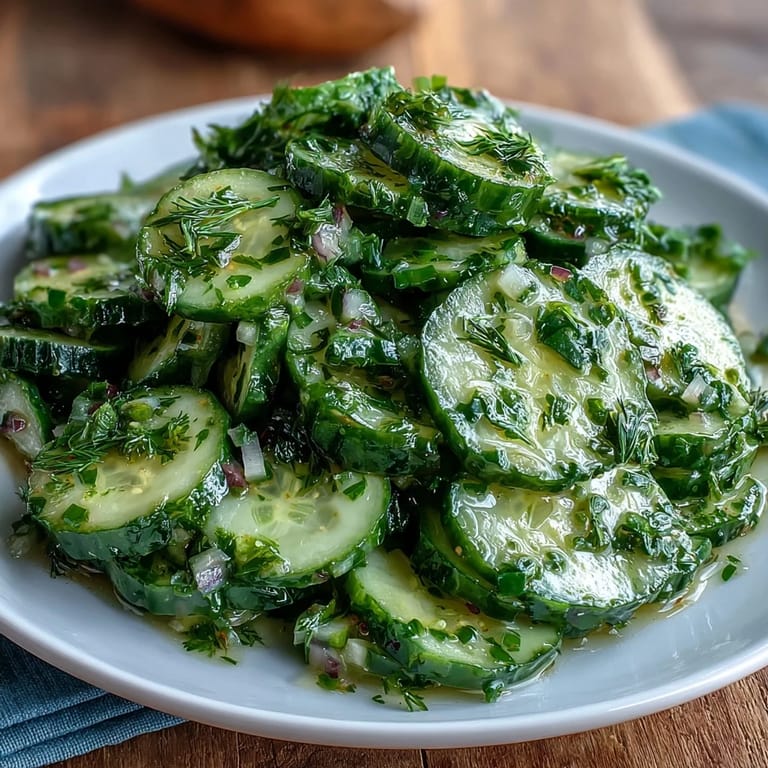
The secret to a salad that doesn't collapse on itself is respecting the moisture content and not rushing the assembly. Think of the vinaigrette as a light dressing that coats rather than drowns, and remember that cold serving dishes make a real difference. This salad actually improves slightly in the first hour and a half, then begins its slow decline, so there's a window where it's absolutely perfect.
- Chill your serving bowl in the freezer for five minutes before assembling if you have the foresight, because cold carries crunch forward.
- If you're making this ahead, dress it no more than thirty minutes before serving, or keep the vegetables and vinaigrette in separate containers.
- Leftover salad makes a surprisingly good light lunch the next day, though it will have softened somewhat and tastes better than it has any right to.
 Save
Save This salad taught me that sometimes the best meals are the ones that let ingredients speak for themselves, without apology or unnecessary flourish. Serve it cold, serve it at room temperature, serve it alongside something else, or serve it alone on a day when you need something that tastes like clarity and care.
Recipe FAQs
- → How should the vegetables be prepared?
Thinly slice cucumbers, radishes, and scallions to ensure a crisp texture and even coating from the vinaigrette.
- → Can the vinaigrette be adjusted for tanginess?
Yes, substitute white wine vinegar with apple cider vinegar for a tangier flavor, or adjust honey to balance acidity.
- → What is the best way to serve this salad?
Serve chilled or at room temperature, garnished with extra fresh dill for added aroma and color.
- → Are there any suggested additions for extra crunch?
Thinly sliced celery or fennel can be added for additional crispness and texture.
- → Is this dish suitable for special diets?
Yes, it is vegetarian and naturally gluten-free, but check mustard ingredient labels for allergens.