 Save
Save I discovered this dish by accident while reorganizing my kitchen and stumbling upon a collection of pressed wildflowers and some unusual soft cheese I'd been meaning to use. My daughter asked what I was looking at, and suddenly we were both imagining what ancient civilizations might have eaten, which spiraled into an afternoon of creating edible archaeology. The joke became real when guests actually wanted to eat it, and now it's become our signature way to start a meal—something unexpected that sparks conversation before anyone takes a bite.
The first time I served this at a dinner party, my friend Sarah picked it up thinking it was a decorative centerpiece. When she realized it was edible, she laughed so hard she nearly dropped it on the floor. That moment taught me that the best appetizers are the ones that make people double-take, that blur the line between art and food in a way that feels playful rather than pretentious.
Ingredients
- Soft cheese: Goat cheese has tang, cream cheese is mild and buttery, ricotta is delicate—pick based on your mood and what pairs with your wine.
- Fresh herbs: Parsley leaves press cleanly, dill fronds look authentically fossil-like, and mixed herbs create visual variety.
- Olive oil: A light brush makes the surface gleam like something precious, though it's entirely optional.
- Assorted nuts: Leaving shells on makes the presentation feel genuinely excavated, and guests can crack them as they eat.
- Sea salt: A whisper of salt draws out the richness; it's a small touch that changes everything.
Tired of Takeout? 🥡
Get 10 meals you can make faster than delivery arrives. Seriously.
One email. No spam. Unsubscribe anytime.
Instructions
- Prepare your canvas:
- Line a tray with parchment paper so you can lift and move your creation without worry. This small step means the difference between confidence and anxiety.
- Form the cheese:
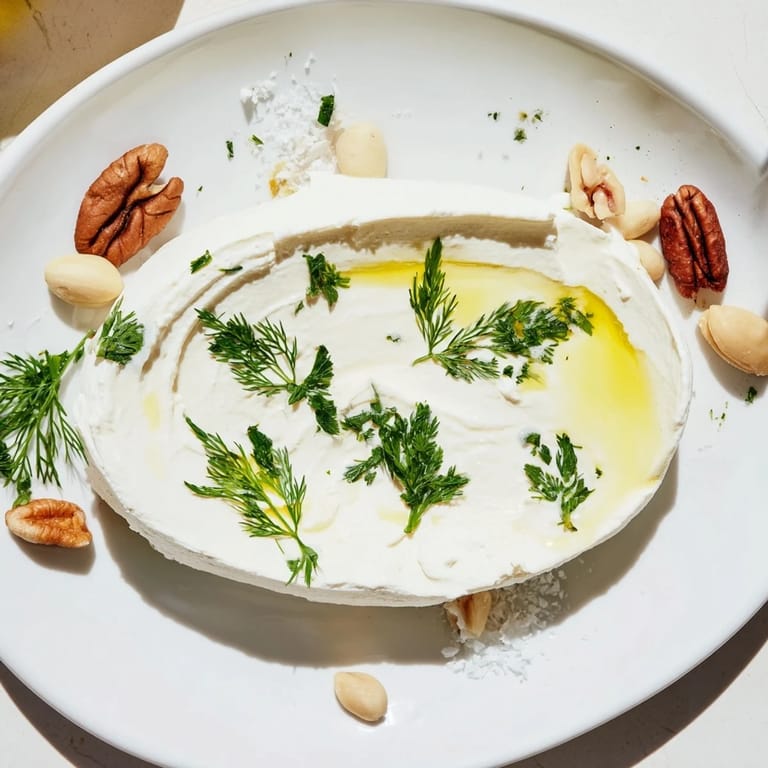
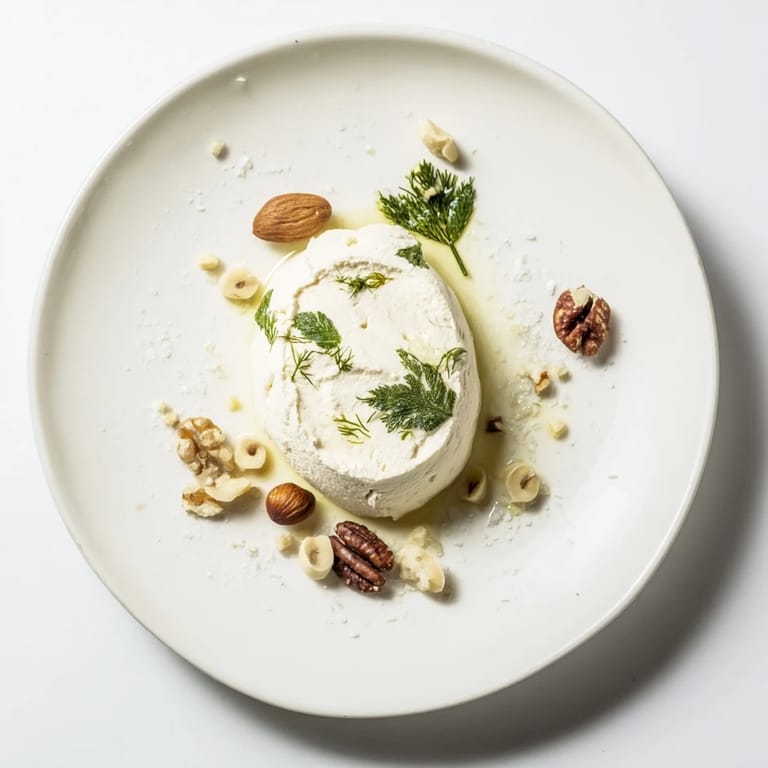
- Spread your soft cheese into a rough oval about 3/4 inch thick, aiming for organic edges rather than perfect geometry. The bumps and irregular sides will catch light beautifully.
- Press the fossils:
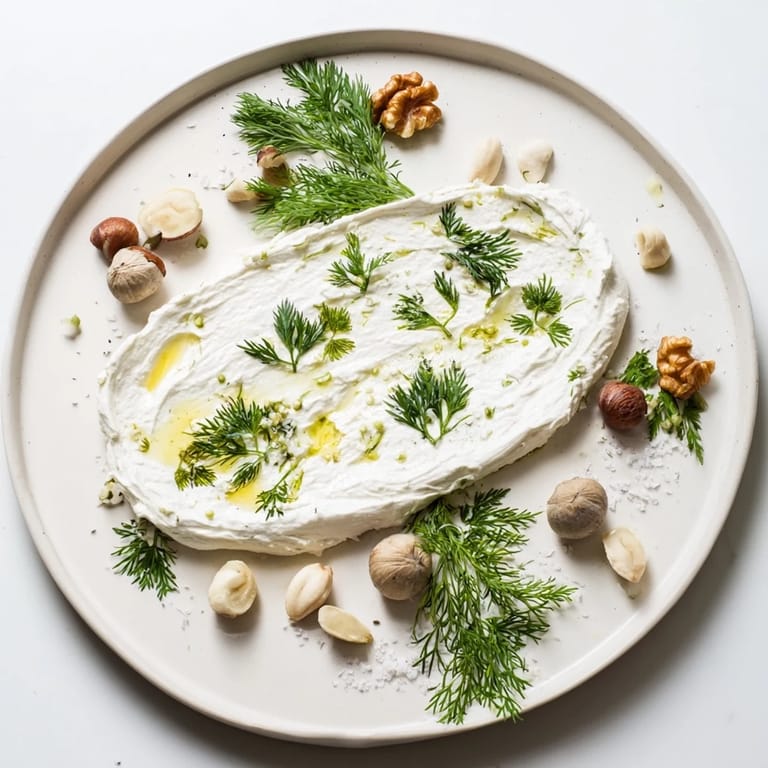
- Take whole herb sprigs or individual leaves and press them firmly into the cheese surface, holding for a second or two before lifting away. You'll see the impression bloom where the herb was, like discovering something buried.
- Add luminescence:
- If you want, brush the cheese surface lightly with olive oil for a subtle sheen that makes it look ancient and precious. Skip it if you prefer matte and modern.
- Arrange the archaeological site:
- Scatter cracked nuts and shell fragments around the cheese in a loose, natural pattern as if they've been there for millennia. This is where your eye matters more than rules.
- Final touch:
- A sprinkle of sea salt adds depth and makes people notice the care you took. Serve immediately or chill until your guests arrive.
 Save
Save There was a moment during one dinner when a guest paused mid-bite and said the presentation made the flavors taste better somehow, and I realized that food is never just about taste—it's about the story we tell ourselves before we eat. That's when this dish stopped being a clever appetizer and became something I wanted to make again and again.
The Theater of Texture
The magic happens in your mouth when the creamy softness of the cheese meets the crack and crunch of nuts. It's a conversation between two completely different textures, and that contrast is what makes people linger on it instead of swallowing it whole. Every bite feels intentional because you're choosing which nut to pair with which bite.
Pairing and Serving
Serve this alongside crusty bread, water crackers, or thinly sliced toast—something neutral that won't compete with the herbs and cheese. A chilled glass of Sauvignon Blanc or a light sparkling wine is almost mandatory; the acidity cuts through the richness and makes your mouth eager for the next bite. Some guests will want to eat it immediately, others will photograph it first, and that's fine—it's made for both kinds of people.
Variations and Personal Touches
Once you understand the basic technique, this dish becomes a canvas for whatever you have on hand. I've used edible flowers for a more delicate look, pressed microgreens for a verdant effect, and even created patterns by arranging herbs in deliberate ways before pressing. Honey or fruit preserves on the side add sweetness that surprises, and a small bowl of fleur de sel lets guests adjust the salt themselves.
- Try edible flowers like pansy, violet, or borage for a garden-fresh appearance that guests won't expect.
- A drizzle of honey or a spoonful of fig preserves beside the cheese creates a sweet and savory moment.
- Make this vegan by swapping the cheese for a cashew-based soft spread or store-bought plant-based cream cheese.
 Save
Save The best part of this recipe is watching people realize that elegance doesn't require hours in the kitchen—sometimes it just takes a moment of playfulness and the courage to serve something that looks like nothing else on the table. That's when appetizers stop being just food and become memories.
Recipe FAQs
- → What types of cheese work best for this dish?
Soft cheeses like goat cheese, cream cheese, or ricotta provide a smooth texture ideal for creating clear herb imprints.
- → Can I use different herbs for the imprints?
Yes, fresh herbs such as parsley, dill, cilantro, or chervil work well to create distinct fossil-like imprints.
- → Why are nuts arranged around the cheese?
The cracked nuts add a rustic, textured contrast and enhance visual interest, as well as complement the creamy cheese's flavor.
- → Is olive oil necessary in preparation?
Brushing olive oil is optional but helps give the cheese a subtle sheen and can enhance its flavor profile.
- → Can this dish be made vegan?
Yes, by substituting soft cheese with a plant-based alternative, this dish suits vegan dietary preferences.