 Save
Save I still remember the first time I assembled a proper cheese board at home. It was after a weekend trip to Paris, where I'd spent an afternoon at a tiny bistro tucked away on Rue des Martyrs. The owner, a woman with silver hair and knowing smile, had arranged a simple platter with such intention—each cheese, each slice of bread, placed with the kind of care you'd give to a work of art. I came home determined to recreate that feeling, that sense of understated elegance. This French Bistro platter became my way of bringing that Parisian moment into my own kitchen, and every time I make it, I'm transported back to that quiet afternoon and that perfectly composed plate.
The first time I served this to friends, I was nervous. It seemed almost too simple—just bread, cheese, and fruit. But as I watched them move around the platter, carefully composing their bites, adding a dab of honey here, a whisper of mustard there, I realized this was exactly what a proper shared meal should feel like. Everyone was engaged, deliberate, and most importantly, happy. That's when I knew this wasn't just a recipe—it was an experience.
Ingredients
- 2 long fresh French baguettes: The foundation of everything. Look for a baguette with a crispy crust and an open crumb structure—this isn't the time for a dense, tight loaf. I slice mine diagonally because it creates visual drama and gives you more surface area for the good stuff. A good baguette from an actual bakery makes all the difference.
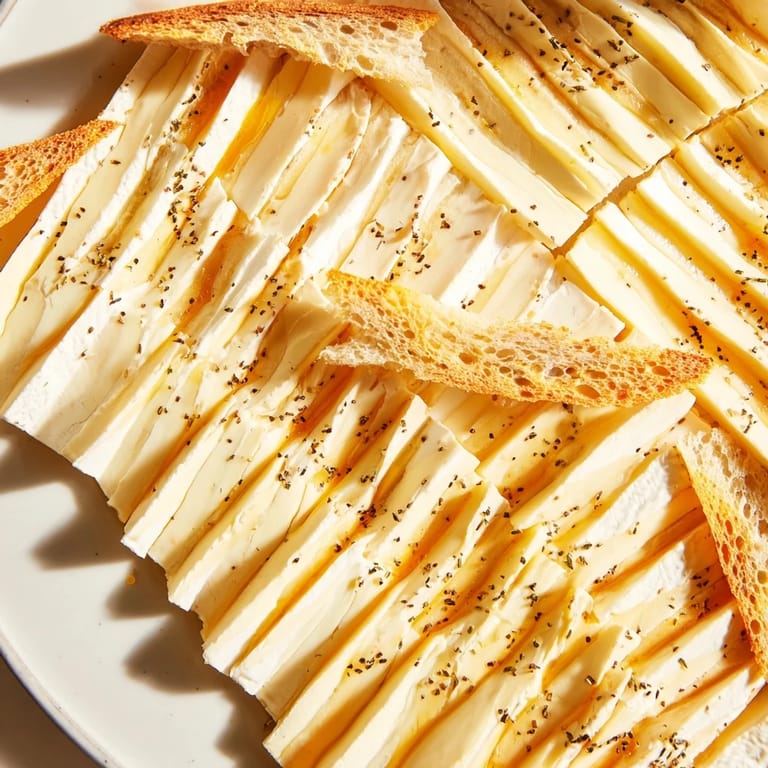
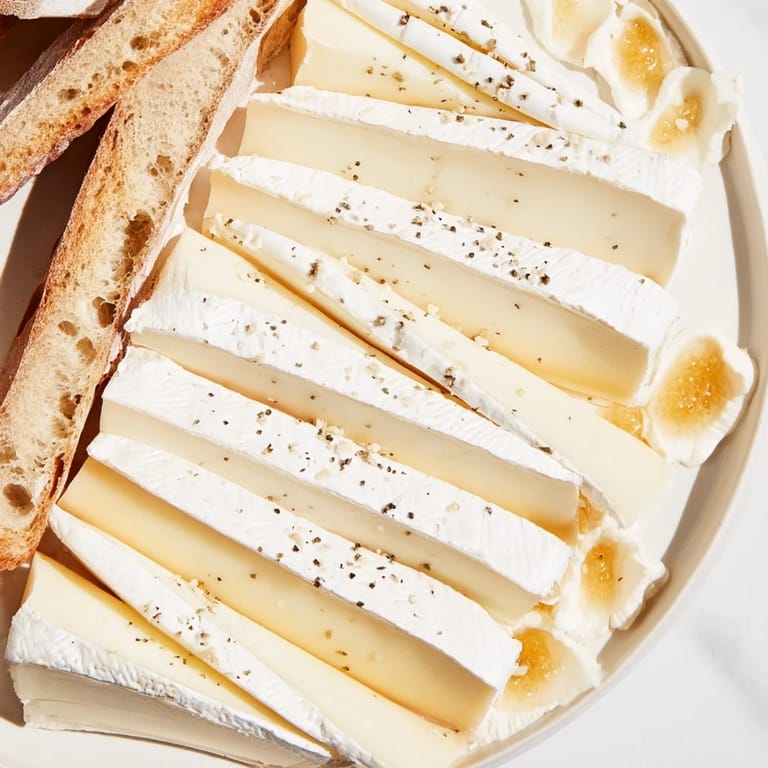
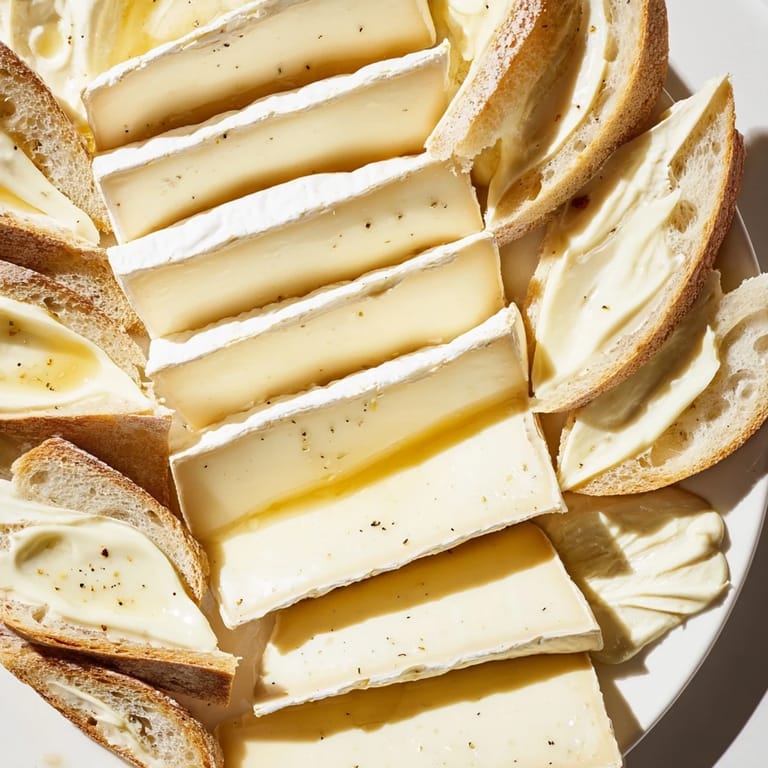
- 150 g Brie cheese, sliced and fanned: The silky, approachable one that everyone loves. Fanning the slices shows them off like delicate petals, and it's easier for guests to take just what they want.
- 150 g Comté cheese, sliced and fanned: The sophisticated counterpoint—nutty, crystalline, a little more complex. Its golden color against the pale brie creates that visual balance a beautiful board needs.
- 100 g Chèvre (goat cheese), sliced: The tangy personality in the trio. It catches people off guard in the best way, and its pure white is essential to the palette.
- 12 fresh figs or grapes: The sweet interruption that makes everything taste better. I keep them in small clusters—something about grouping them feels more intentional than scattering singles.
- 50 g unsalted butter, softened: This seems odd until you taste it on warm bread with a whisper of salt. That's a revelation moment.
- 2 tbsp high-quality honey: Not just any honey—spend a little here. Acacia or chestnut honey brings a sophistication that cheap honey can't touch. A drizzle over brie is transcendent.
- 1 tbsp whole grain Dijon mustard: The sharp note that wakes everything up. Its grainy texture adds visual interest too.
- Flaky sea salt and freshly ground black pepper: These aren't afterthoughts. The salt brings out the cheese's complexity, and fresh pepper adds a final elegance.
Tired of Takeout? 🥡
Get 10 meals you can make faster than delivery arrives. Seriously.
One email. No spam. Unsubscribe anytime.
Instructions
- Slice your baguettes with intention:
- Take a sharp bread knife and cut the baguettes on a diagonal—about three-quarters of an inch thick. Each slice should be an invitation. As you arrange them along the platter's edge, think of them as a frame. Leave breathing room between slices. This isn't about filling every corner; it's about creating a sense of spaciousness and elegance.
- Fan the cheeses like you're telling a story:
- Lay the brie slices in slightly overlapping rows, each one angled slightly forward. Do the same with the Comté. The motion should feel deliberate, almost choreographed. Each cheese type gets its own territory, which helps guests understand the landscape of your board and makes it easier to take what appeals to them.
- Nestle the fruit into negative space:
- Place small clusters of figs or grapes in the gaps you've created. These jewel-like additions should feel discovered, not crowded. Two or three figs together, a small bunch of grapes—let them rest naturally on the board.
- Add the three companions in their own vessels:
- If you have small ramekins, use them—this shows restraint and sophistication. If not, create small artful dollops directly on the board using a small spoon. The butter gets its own space, the honey its own, the mustard its own. This way guests can explore each one independently before deciding their combinations.
- Season the cheeses with a light hand:
- A whisper of flaky salt across the cheeses brings out their complexity. A few grinds of fresh pepper add an elegant finishing touch. Don't overdo it—restraint is the whole philosophy here.
- Step back and admire, then serve:
- Before guests arrive, take a moment to look at what you've created. Adjust something if it needs it. Then bring the platter to the table and watch the magic happen as everyone builds their own perfect bite.
 Save
Save There's a moment that happens every time I serve this—when someone takes a bite of warm bread with softened butter, honey, and a bit of that goat cheese. Their eyes light up in a way that's almost child-like. In that instant, you realize food isn't just sustenance; it's the most honest way we have of saying 'I want to give you something beautiful.'
The Art of the Cheese Board
A proper cheese board is really about restraint and respect—respect for the cheese, for your guests, for the moment. I learned this slowly, through trial and error, through watching French friends arrange their platters with such ease. It's not about quantity; it's about composition. Think of it like arranging flowers. You want different heights, different colors, different textures, but everything in conversation with everything else. The negative space is just as important as what you place on the board. When I finally understood this, everything I made became more beautiful, not just visually but in how it tasted too. Guests slow down. They pay attention. They enjoy more.
Building the Perfect Bite
Part of the joy of this platter is that it invites participation. Everyone becomes a composer. Maybe someone will create a combination you never would have thought of—brie with mustard and grape, perhaps, or Comté with honey and figs. The beauty is in the freedom. As the host, you've created the palette and the canvas. Now watch as your friends discover their own favorite combinations. Sometimes the best meals are the ones where everyone has a hand in creating their own experience.
Wine Pairings and Perfect Moments
This is where bistro elegance truly comes alive. I always pair this with something cold and slightly effervescent—a Sancerre if I'm feeling serious, Champagne if it's a celebration, even a crisp Pinot Grigio if I'm keeping it casual. The wine cuts through the richness of the cheese and adds a festive note to the gathering. I learned that wine isn't an afterthought; it's part of the architecture of the meal. Pour it before guests start building their bites, and watch how the entire experience elevates. It's not about being fancy; it's about understanding that these things exist together in harmony.
- A chilled glass of Sancerre brings minerality that echoes the goat cheese beautifully
- Champagne or Crémant adds a celebratory sparkle that makes even a simple Friday feel special
- The slight chill of the wine is the perfect counterpoint to the richness of room-temperature cheese
 Save
Save This platter is proof that some of the best moments around a table don't require hours in the kitchen. They require intention, quality ingredients, and an understanding that beauty matters. I hope it brings the same joy to your table that it's brought to mine.
Recipe FAQs
- → What cheeses are used in this platter?
Brie, Comté, and chèvre (goat cheese) are used to offer a range of creamy, nutty, and tangy flavors.
- → How should the baguettes be prepared?
Slice the baguettes diagonally into thin, even pieces and arrange them neatly along the platter edge to allow room for other elements.
- → Can the figs be substituted?
Yes, fresh figs can be replaced with sliced pears or apples for a similar sweet contrast.
- → What accompaniments complement the cheese and bread?
Softened unsalted butter, high-quality honey, and whole grain Dijon mustard offer a balanced mix of sweet and savory accents.
- → Is seasoning necessary on the platter?
Lightly sprinkling flaky sea salt and freshly ground black pepper enhances the flavors without overpowering them.