 Save
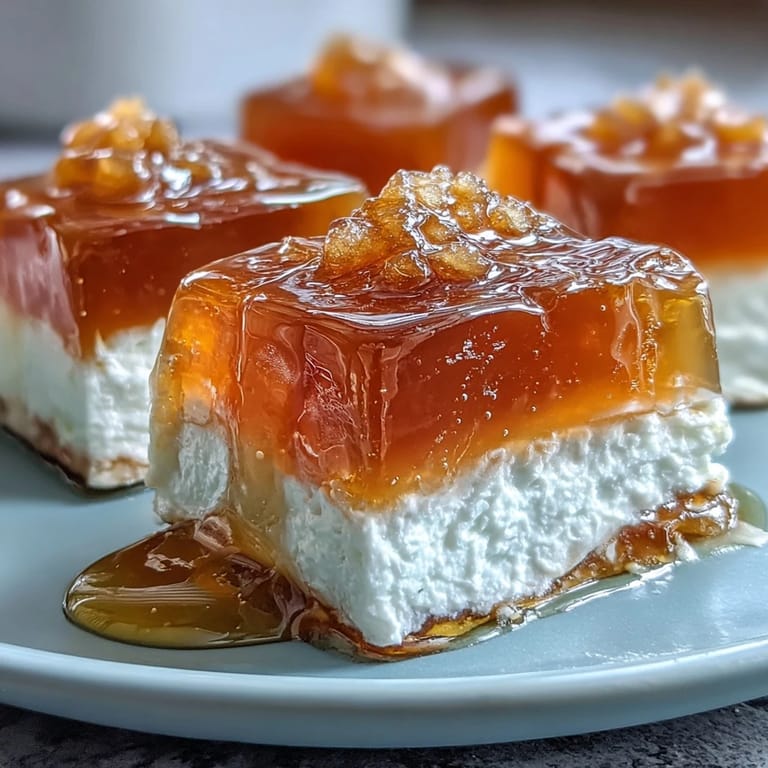
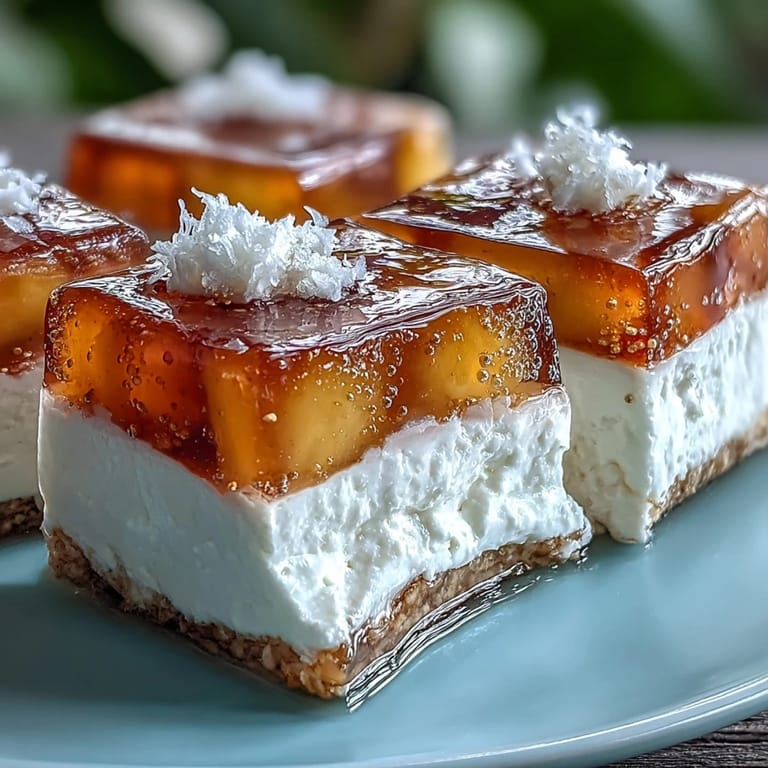
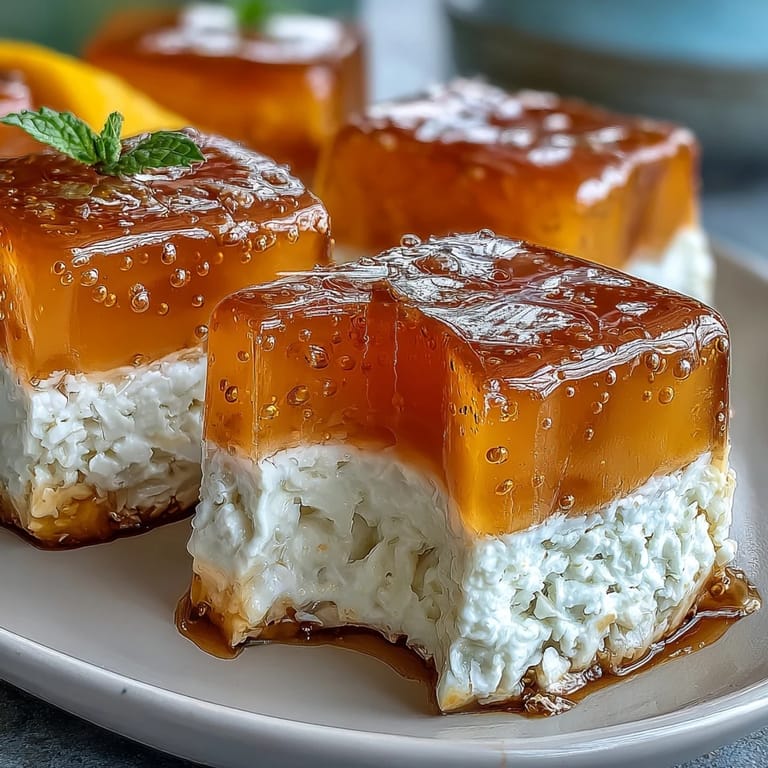
Save Some desserts have a way of sneaking up on you—like the first time I tasted mango agar-agar jelly cubes at a noisy family barbecue. The glossy cubes shimmered next to smoky skewers, and their vibrant yellow layers instantly caught my eye. A friend urged me to try one, and the first chilled bite stopped our chatter with its cool, bright mango flavor blending into a snowy coconut finish. The surprising contrast of fruit and creaminess left such a happy mark, I tracked down the recipe that same evening. My kitchen filled with sweet mango scents, and I knew this would be a regular summer treat.
One rainy afternoon I decided to make this jelly for a friend who'd never tried agar-agar before. We stood by the window, guessing whether the mango would set in time, and ended up laughing over how impatiently we poked the first layer. Revealing two-tone jelly cubes at the table felt oddly satisfying—like sharing a little homemade magic with someone new. The plate emptied faster than I expected, and my friend still talks about the coconut layer's creamy surprise.
Ingredients
- Ripe mangoes: Sweet, fragrant mangoes make the best base—if they're stringy, run them through a sieve for a smoother layer.
- Water: A splash helps the mango blend to the right pourable texture and dissolves the agar evenly.
- Sugar: Adjust to your taste, since some mango varieties are so sweet you can use less.
- Lemon juice: Just a tiny bit brightens the mango, keeping the flavor lively.
- Agar-agar powder: Unlike gelatin, agar sets firmly at room temperature—stir constantly so it dissolves properly and you won't have grainy jelly.
- Coconut milk: Full-fat makes the creamiest top layer and a gentle coconut aroma; shake the can before opening for best results.
- Vanilla extract: Gives a bakery-style warmth to the coconut and rounds out any tinned flavors.
Tired of Takeout? 🥡
Get 10 meals you can make faster than delivery arrives. Seriously.
One email. No spam. Unsubscribe anytime.
Instructions
- Blend the Mango:
- Toss mango cubes, water, sugar, and lemon juice into your blender and run until completely smooth—you'll hear the thick mango sloshing as it turns to velvet.
- Heat and Dissolve Agar:
- Pour the mango puree into a saucepan, sprinkle in agar-agar, and whisk over medium heat; let it bubble, stirring often, until you feel it thicken slightly and see no specks left.
- Layer and Chill:
- Pour the hot mango mixture into your mold, set aside to cool for 10 minutes, then pop it in the fridge just until it starts to set and wobbles when jiggled.
- Make Coconut Layer:
- In a clean saucepan, combine coconut milk, sugar, vanilla, and agar-agar, whisking while you gently heat it—listen for a low simmer and don't let it boil too aggressively.
- Finish and Chill Again:
- Carefully pour the coconut mixture atop the set mango layer (try spooning gently to avoid breaking the surface), let cool, and return to the fridge to firm up completely.
- Slice and Serve:
- Once the whole block is bouncy to the touch, run a sharp knife under warm water and cut clean cubes; serve them icy cold for the best texture.
 Save
Save Bringing out these cubes at a family picnic, I caught my niece absentmindedly stacking two at once—one for her and one for the 'best auntie chef'. In that moment, these little squares became more than dessert: they turned into tiny edible smiles passed around the whole table.
How To Choose The Best Mangoes
I've found that silky, almost custardy mangoes (like alphonso or honey varieties) create the brightest color and flavor. Letting them ripen on the counter until fragrant gives the jelly its true perfume—if yours are a little tart, add another spoonful of sugar and it balances right out.
Customizing The Layers For Your Crowd
Once you get the hang of these layers, you can swap in pineapple or passion fruit puree if you want a tarter top note. Sometimes I add a handful of fresh fruit chunks to the mango base for unexpected bites. Kids especially love seeing their favorite fruity bits set inside, and it looks gorgeous for parties.
Serving And Storing Made Simple
I always cut these with a hot knife to keep the edges bright, then store cubes in an airtight container in the fridge—they stay lovely for up to 3 days (though they're rarely left uneaten that long). Let the cubes sit out for five minutes before serving so the flavors shine brightest.
- If you're stacking them, use parchment between layers.
- Wipe your knife after each cut for super clean edges.
- Don't forget to chill your serving plate for best results.
 Save
Save These mango coconut jelly cubes brighten any potluck or picnic, and once you master them, you'll invent your own favorite combinations year-round.
Recipe FAQs
- → How do I ensure the mango layer is smooth?
Use a blender or food processor to purée the mango until completely smooth. Strain if your fruit is fibrous, and adjust sugar and lemon to balance sweetness and acidity before heating with agar-agar.
- → Why is simmering the agar-agar important?
Agar-agar needs to reach boiling and simmer briefly to fully dissolve and activate its gelling properties. Simmering for about 2 minutes prevents grainy texture and ensures a firm set once chilled.
- → Can I substitute agar-agar with another gelling agent?
Gelatin can be used for a softer set but is not vegan. Carrageenan or konjac may behave differently—adjust quantities and test small batches, as setting strength and texture vary between gelling agents.
- → Any tips for pouring the coconut layer without disturbing the mango?
Let the mango layer firm until just set but still slightly tacky. Pour the warm coconut mixture slowly over the back of a spoon held close to the surface to distribute heat gently and avoid breaking the mango layer.
- → How long will the finished cubes keep in the fridge?
Stored in an airtight container, the chilled cubes keep 3–4 days in the refrigerator. Longer storage can alter texture; keep covered to prevent absorption of other aromas.
- → Can I add diced fruit for texture?
Yes — fold small diced mango, pineapple, or passion fruit into the mango layer before it fully sets to add bursts of texture. Ensure pieces are drained to avoid extra liquid that could affect setting.