 Save
Save There's something about the first warm evening of spring that made me want to cook something that tasted like the season itself. I found myself at the market on a Saturday morning, drawn to a pile of just-arrived broad beans and fresh asparagus, and suddenly the idea of shakshuka with spring vegetables felt inevitable. The combination of tender greens in a spiced tomato sauce with eggs nestled on top felt like the exact meal I needed to celebrate longer days and garden-fresh ingredients finally returning.
I made this for friends who'd just moved into a new place, and we ate it directly from the pan while sitting on their kitchen floor surrounded by boxes. The combination of warm bread, runny yolks, and that herby tomato sauce somehow made their chaotic kitchen feel like home, and I realized then that shakshuka isn't just breakfast or dinner—it's whatever moment you need it to be.
Ingredients
- Olive oil: Start with just a tablespoon—you're building layers of flavor, not frying.
- Onion and garlic: These two are your foundation; don't rush them or you'll miss that sweet, mellow depth they develop.
- Red bell pepper: The color matters here, both for how it looks and because it adds a subtle sweetness that balances the spices.
- Asparagus, peas, and broad beans: Fresh or frozen work equally well, though I've learned frozen actually holds its shape better in the sauce.
- Canned tomatoes and tomato paste: The paste concentrates the flavor and thickens the sauce without needing long simmering.
- Ground cumin, smoked paprika, coriander, and chili flakes: These spices are what transform simple tomato sauce into something that tastes both warm and alive.
- Eggs: Use the freshest you can find; older eggs spread thin, while fresh ones hold their shape beautifully as they poach.
- Fresh herbs and feta: These are the final flourish that make everything taste intentional rather than accidental.
Tired of Takeout? 🥡
Get 10 meals you can make faster than delivery arrives. Seriously.
One email. No spam. Unsubscribe anytime.
Instructions
- Build Your Flavor Base:
- Heat oil over medium heat and add your finely chopped onion, letting it soften and turn translucent for 4 to 5 minutes—this is where the magic begins, and rushing it means missing that caramelized sweetness. When it's ready, you should be able to smell that familiar kitchen moment that makes you hungry before you've even started cooking.
- Wake Up the Aromatics:
- Stir in garlic and diced red pepper, cooking for another 2 to 3 minutes until they're just starting to soften. You're not looking for them to fully cook through; they'll finish in the sauce later.
- Toast the Spices:
- Add cumin, paprika, coriander, and chili flakes all at once, stirring constantly for about 1 minute. Your kitchen will suddenly smell entirely different—warmer, spicier, more complex—and that's when you know it's working.
- Build the Sauce:
- Stir in tomato paste first, letting it coat everything, then add the canned tomatoes with a pinch of salt and pepper. Simmer uncovered for 10 minutes, stirring occasionally, until you notice the sauce thickening and deepening in color.
- Add the Spring Vegetables:
- Toss in your asparagus, peas, and broad beans, then cover the pan and let everything cook gently for 7 to 8 minutes. The vegetables should be just tender when you taste one, not soft.
- Create Wells for the Eggs:
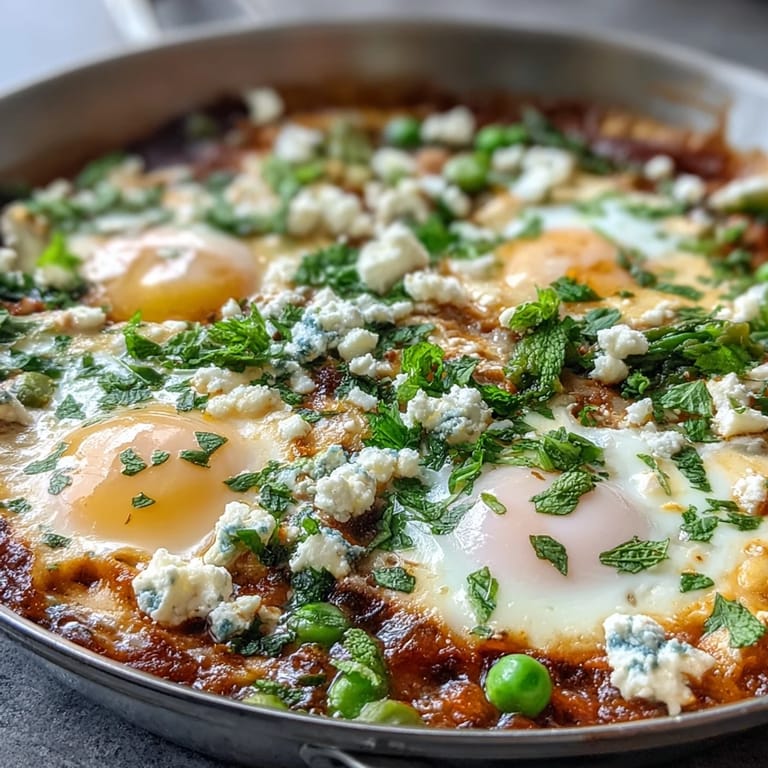
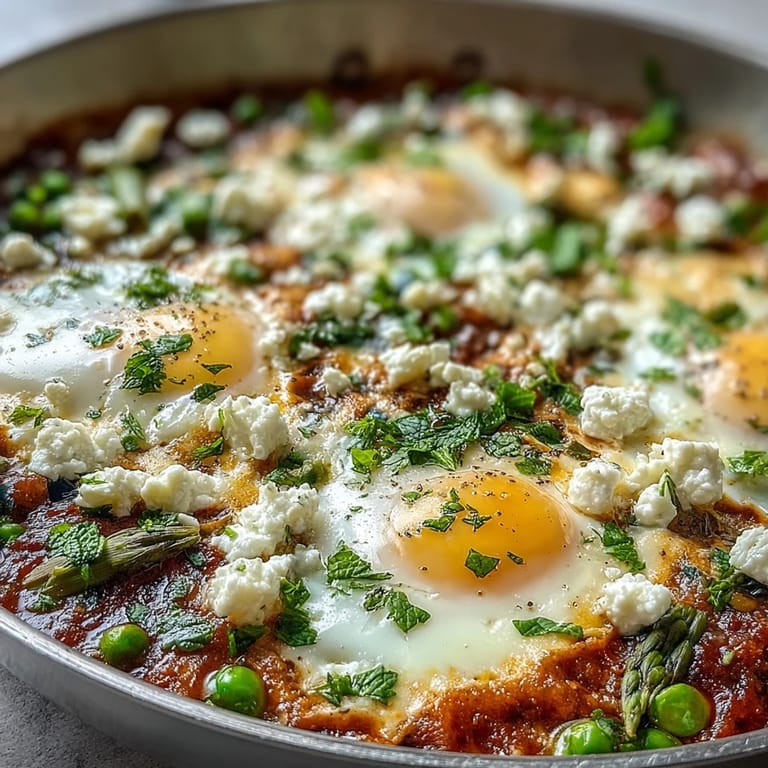
- Using the back of a spoon, gently press little indentations into the sauce—these become cozy nests for your eggs. Crack each egg into a well, cover the pan, and let the gentle heat poach them for 5 to 7 minutes until the whites are set but the yolks still jiggle slightly when you shake the pan.
- Finish and Serve:
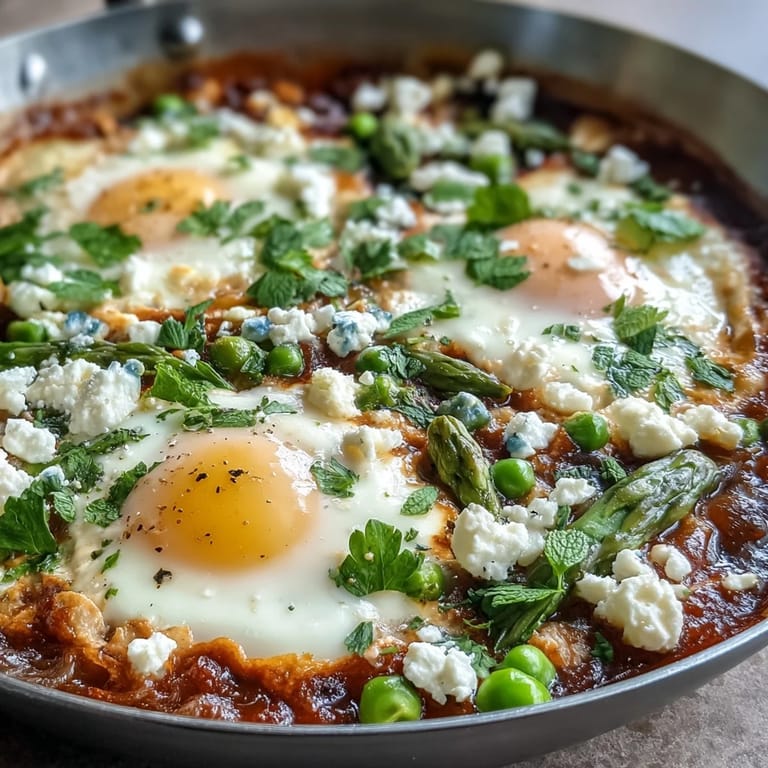
- Remove from heat, scatter fresh parsley or mint across the top, crumble feta over if you're using it, and bring the whole skillet to the table with lemon wedges and warm bread.
 Save
Save A friend's grandmother tasted this and said it reminded her of meals she'd made in her own kitchen decades ago, just with her own twists. In that moment, I understood that shakshuka isn't really about following rules—it's about understanding how to let good ingredients shine together, and then making it your own.
Why Spring Vegetables Matter Here
Spring vegetables aren't just trendy; they have a completely different texture and sweetness than their heavier winter cousins. Peas and broad beans are tender enough to cook through in minutes without becoming mushy, and asparagus adds a slight bittersweet note that keeps everything from tasting too rich. The combination of all three creates layers of flavor that work together rather than competing for attention.
Making It Your Own
The beauty of shakshuka is that it's forgiving enough to adapt to what's in your kitchen or what you're craving. I've made it with spinach when I couldn't find asparagus, added chickpeas when I wanted more protein, and even stirred in a handful of fresh dill when I had it on hand. Each version tastes different but equally right, which is probably why I keep coming back to this recipe instead of trying something entirely new.
Serving Suggestions and Timing
This is best served immediately while the eggs are still warm and runny, which means timing matters. If you're cooking for people, you can actually prepare the tomato sauce earlier in the day and reheat it gently, adding the vegetables and eggs only at the last moment. Serving it family-style straight from the skillet with crusty bread and lemon wedges makes everyone feel like they're part of something intentional, not just eating dinner.
- Warm pita or sourdough bread is essential for soaking up the sauce and egg yolks.
- A squeeze of fresh lemon brightens everything and cuts through the richness beautifully.
- This feeds four people generously, but you can easily double it for a crowd by using two skillets side by side.
 Save
Save This shakshuka is the kind of meal that tastes like care without requiring any showiness. Make it whenever you need something that feels both nourishing and a little bit celebratory.
Recipe FAQs
- → Can I use frozen broad beans and peas?
Absolutely. Frozen broad beans and peas work wonderfully in this dish and are often more accessible year-round. Simply add them directly to the sauce without thawing—they'll cook through during the simmering time. If using fresh broad beans, you may want to shell and blanch them first if the pods are particularly large.
- → How do I know when the eggs are perfectly cooked?
The eggs are ready when the whites are completely opaque and set, but the yolks still jiggle slightly when you gently shake the pan. This typically takes 5-7 minutes of covered cooking. For firmer yolks, cook an additional 2-3 minutes. Remember that residual heat will continue cooking the eggs slightly after you remove the pan from heat.
- → What can I serve with this shakshuka?
Warm bread is essential for scooping up the sauce and runny yolks—try pita, flatbread, or crusty sourdough. A simple green salad with lemon dressing balances the richness. For a more substantial meal, serve with roasted potatoes or couscous. The dish also pairs beautifully with yogurt on the side to cool the spices.
- → Can I make this ahead of time?
The vegetable base can be prepared up to a day in advance and stored in the refrigerator. Reheat gently before adding the eggs—this ensures the vegetables don't overcook. However, the eggs are best cooked just before serving, as they don't reheat well and could become rubbery. If you need to meal prep, consider poaching fresh eggs when ready to eat.
- → How can I adjust the spice level?
The chili flakes are optional and provide gentle warmth. For a mild version, omit them entirely. To increase heat, add more flakes or incorporate a fresh chopped chili when cooking the onions. You can also serve hot sauce on the table, allowing each person to customize their portion. The smoked paprika adds depth rather than heat, so keep that for flavor regardless of spice preference.