 Save
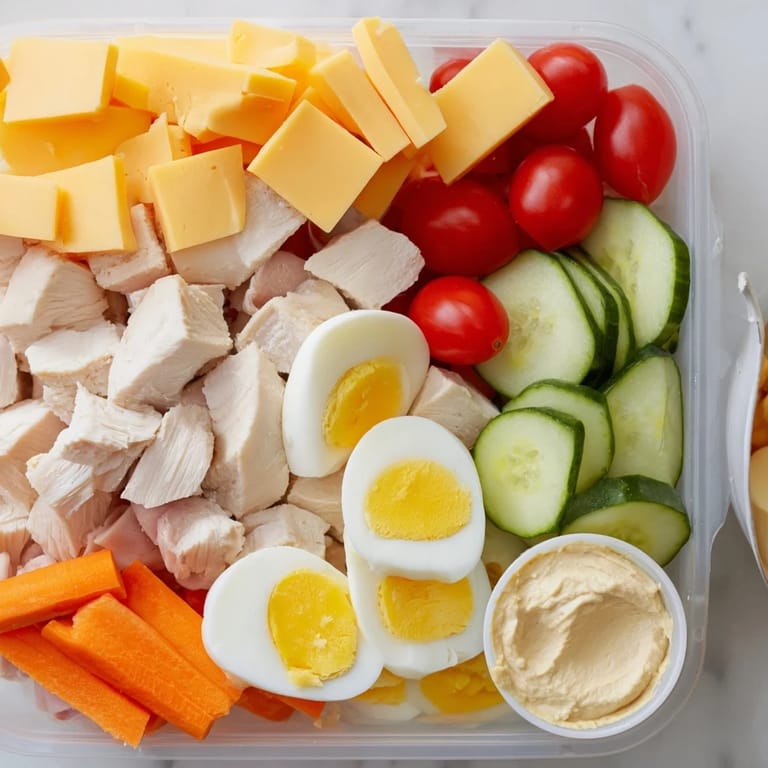
Save I stumbled onto this trend while scrolling at midnight and thought it was ridiculous until I actually made one. Suddenly I had four gorgeous little boxes lined up on my counter, and I couldn't stop admiring them like they were tiny edible art installations. My partner wandered in, saw them, and immediately asked if he could take one to work instead of his usual sad sandwich situation. That's when I realized these weren't just a TikTok fad—they were actually the answer to every "what's for lunch" argument in the house.
The moment I knew these were staying in my rotation was when my friend grabbed one for her early morning commute and texted me three hours later saying it was the first time she'd actually finished her whole lunch before noon. She'd always just leave things half-eaten in the car, but something about having everything portioned out and ready made her actually want to eat it. That's when it clicked—this isn't about being fancy or trendy, it's about removing friction from the actual eating.
Ingredients
- Cooked chicken breast: Use a rotisserie or batch-cook your own on Sunday—the smoky flavor beats microwaved every time.
- Hard-boiled eggs: These are your secret protein boost and they stay fresh longer than you'd think.
- Sliced turkey or ham: Go for quality deli meat if you can; the thin slices layer better and taste less like a cardboard approximation of meat.
- Cheddar cheese cubes: Sharp cheddar has more personality, and the cubes hold up better than shreds in the fridge.
- Cherry tomatoes: These stay firm longer than regular tomatoes and pop nicely when you bite them.
- Cucumber slices: Cut thicker than you think—thin ones get soggy by day three.
- Baby carrots: Sweet, crunchy, and honest; they're the reliable friend in this equation.
- Apple slices: The lemon juice is non-negotiable if you're prepping ahead—it's the difference between crisp and brown.
- Hummus: Keep it in its own small container so it doesn't migrate and make everything weird.
- Whole-grain crackers: They're sturdy enough to stand up to dips without crumbling mid-bite.
- Mixed nuts: These should stay separate too; they soften up faster than you'd expect.
Tired of Takeout? 🥡
Get 10 meals you can make faster than delivery arrives. Seriously.
One email. No spam. Unsubscribe anytime.
Instructions
- Set your stage:
- Arrange all four containers on your counter with everything you'll need nearby. This isn't complicated, but it goes faster when you're not hunting for things.
- Layer the proteins:
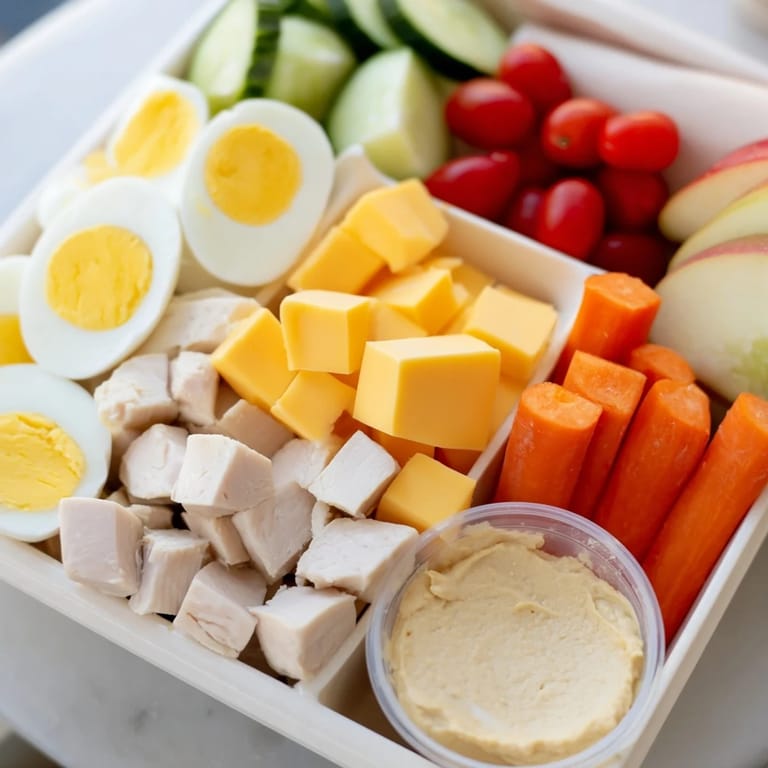
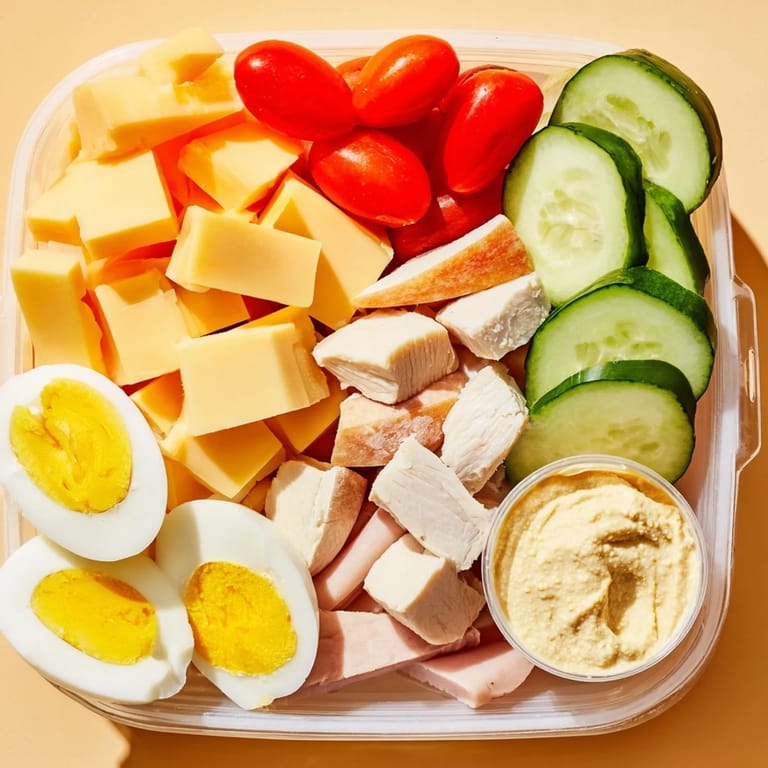
- Divide the chicken, turkey, eggs, and cheese among the four boxes, spreading them around so you get some of everything in each bite. Think of it like creating a little flavor map rather than just dumping stuff in.
- Add the vegetables:
- Tomatoes, cucumbers, carrots, and apples go in next, distributed as evenly as you can manage. The visual appeal actually matters here because you're way more likely to eat something that looks intentional.
- Tuck in the hummus:
- Small lidded containers for hummus keep it from turning everything into a damp mess. This is the move that separates these from regular lunchboxes.
- Finish with the crunch:
- Add four crackers and a tablespoon of nuts to each box, but keep them in a separate spot or in a small bag if possible. Soggy crackers are the enemy of this entire operation.
- Seal and store:
- Cover everything, refrigerate, and try not to open them immediately just to admire your work like I always do. They'll keep beautifully for three to four days.
 Save
Save My favorite moment with these was watching my dad—who normally just eats whatever's fastest—actually sit down and enjoy his lunch like a meal instead of fuel. He kept commenting on how "thoughtful" it was, which made me realize these boxes do something psychological too. They're not just practical; they feel intentional, like someone cared enough to organize things properly.
Make Them Your Own
The beauty of this format is that it's endlessly customizable without any actual cooking skills required. If you're vegetarian, skip the meats and double down on the cheese, nuts, and add some chickpeas or tofu cubes. Mediterranean vibes? Swap the hummus for a tzatziki, throw in some olives and marinated artichoke hearts, and use feta instead of cheddar. Spicy mood? Add jalapeño slices, use hot sauce in a tiny container, and swap regular nuts for chili-lime almonds.
Storage and Timing
These genuinely do last four days in the fridge, but honestly, the texture peaks around day three—the vegetables stay crisp, the cheese stays firm, and everything still feels fresh. Day four is still totally fine, just don't expect the crackers to have the same snap. If you're batch-prepping for the week, maybe make a fresh batch midweek instead of trying to stretch one set too far. It's not a huge hassle, and you'll actually want to eat them more.
The Logistics That Actually Matter
The right containers make a real difference—go for compartmentalized ones if you can find them, so things stay organized and don't all smoosh together. If you're taking these places, a small insulated lunch bag with an ice pack keeps everything at a good temperature for hours. The tiny containers for hummus are worth hunting down because regular-sized dips make everything wet and sad. Pro move: prep your proteins the day before so assembly on prep day takes literally fifteen minutes instead of longer.
- Cut vegetables the night before to save time, but keep apples whole and slice them fresh to prevent browning.
- Use a vegetable peeler on carrots and cucumbers for thin ribbons if you want them to soften and curve into the box more elegantly.
- Label your containers with a marker if you're prepping for multiple people—it sounds silly until you grab the wrong box.
 Save
Save These boxes turned snacking into something I actually looked forward to, which is kind of wild for something this simple. Make them once and you'll understand why they took over the internet.
Recipe FAQs
- → What proteins work well in these boxes?
Chicken breast, turkey, ham, hard-boiled eggs, or even plant-based deli slices provide great protein options.
- → How to keep crackers from getting soggy?
Keep crackers separate in their own compartment or container until ready to eat to preserve their crunch.
- → Can I swap any vegetables?
Yes, bell pepper strips, snap peas, radishes, or olives can add extra crunch and Mediterranean flavor.
- → How long do the snack boxes stay fresh?
When sealed and refrigerated, these boxes stay fresh for 3-4 days.
- → Are these suitable for gluten-free diets?
Use gluten-free crackers to accommodate gluten-free needs without sacrificing taste and texture.