 Save
Save My cousin Maria showed up at my door one Sunday with a battered tin of her nonna's braciole, still warm from her kitchen across town. The smell hit me first: sweet raisins mingling with sharp pecorino and that unmistakable depth of slow-simmered tomato. She refused to leave until I'd tasted one, and halfway through that first bite, I understood why this dish had survived generations. It wasn't just food, it was architecture: beef rolled around treasures, patience rewarded with tenderness, every element insisting on its place.
I made these for my book club once, and the conversation died the moment I brought them to the table. Four writers, completely silent, just the sound of forks and someone quietly asking if there was more sauce. One of them, a vegetarian for a decade, later confessed she'd broken her streak and had no regrets. That's the power of a well-made braciole: it makes people forget their principles, at least temporarily.
Ingredients
- Beef top round or flank steak: Thin slices are essential because thick meat won't roll properly or cook evenly, and pounding them helps break down the fibers so they stay tender during the long simmer.
- Pecorino cheese: This sharp, salty sheep's milk cheese is traditional and more assertive than Parmesan, standing up to the robust filling and not disappearing into the background.
- Pine nuts: Toast them lightly first in a dry pan to wake up their buttery flavor, watching carefully because they go from golden to burnt in about forty-five seconds.
- Raisins: They add little pockets of sweetness that balance the salty cheese, and they plump up beautifully as they braise, becoming almost jammy.
- Fresh parsley and basil: The herbs bring brightness to what could otherwise be a heavy filling, with basil adding a slight anise note if you choose to include it.
- Garlic: Minced fine so it distributes evenly through the filling and doesn't create harsh pockets of raw allium flavor.
- Breadcrumbs: They absorb moisture from the other ingredients and help bind everything together so your filling doesn't fall apart when you slice into the finished rolls.
- Crushed tomatoes: A 28-ounce can provides the base for your sauce, and crushed gives you better texture than whole tomatoes that need more work.
- Dry red wine: Optional but recommended because it adds depth and helps deglaze all those beautiful browned bits from searing the meat.
- Dried oregano: A little goes a long way, bringing that essential Italian earthiness without overpowering the more delicate flavors.
Tired of Takeout? 🥡
Get 10 meals you can make faster than delivery arrives. Seriously.
One email. No spam. Unsubscribe anytime.
Instructions
- Prep the beef:
- Lay each slice flat on your cutting board and use a meat mallet to gently pound them to about a quarter-inch thickness, working from the center outward. Season both sides with salt and pepper, going a bit heavier than you think because some of that seasoning will cook off.
- Make the filling:
- In a medium bowl, mix together the pecorino, toasted pine nuts, raisins, chopped parsley, basil if using, minced garlic, and breadcrumbs until everything is evenly distributed. The mixture should look generous and a bit rustic, not perfectly uniform.
- Roll the braciole:
- Divide the filling among the four beef slices, spreading it evenly but leaving about a half-inch border on all sides. Roll each piece tightly from one short end to the other, tucking in the sides as you go, then secure with kitchen twine or a few toothpicks so they hold their shape during cooking.
- Sear for color:
- Heat two tablespoons of olive oil in a large skillet over medium-high heat until it shimmers, then add the braciole and sear on all sides until deeply browned, about six to eight minutes total. This step builds flavor, so don't rush it, and remove them to a plate when done.
- Build the sauce base:
- In the same skillet, add another two tablespoons of olive oil and sauté the chopped onion until it softens and turns translucent, about three minutes, then add the garlic and cook one minute more until fragrant. If using red wine, pour it in now and let it bubble and reduce by half while you scrape up all those stuck-on bits from the bottom of the pan.
- Simmer everything together:
- Add the crushed tomatoes, oregano, salt, pepper, and a pinch of sugar if your tomatoes taste too acidic, then bring the sauce to a gentle simmer. Nestle the seared braciole back into the sauce, cover the skillet, reduce heat to low, and let everything simmer gently for about an hour and fifteen minutes, turning the rolls occasionally so they cook evenly and the beef becomes fork-tender.
- Finish and serve:
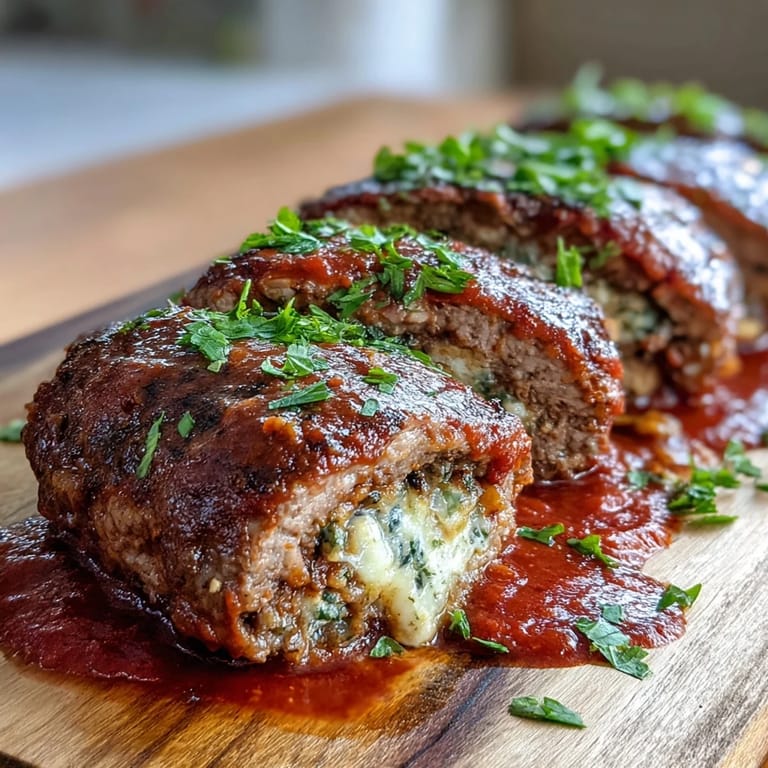
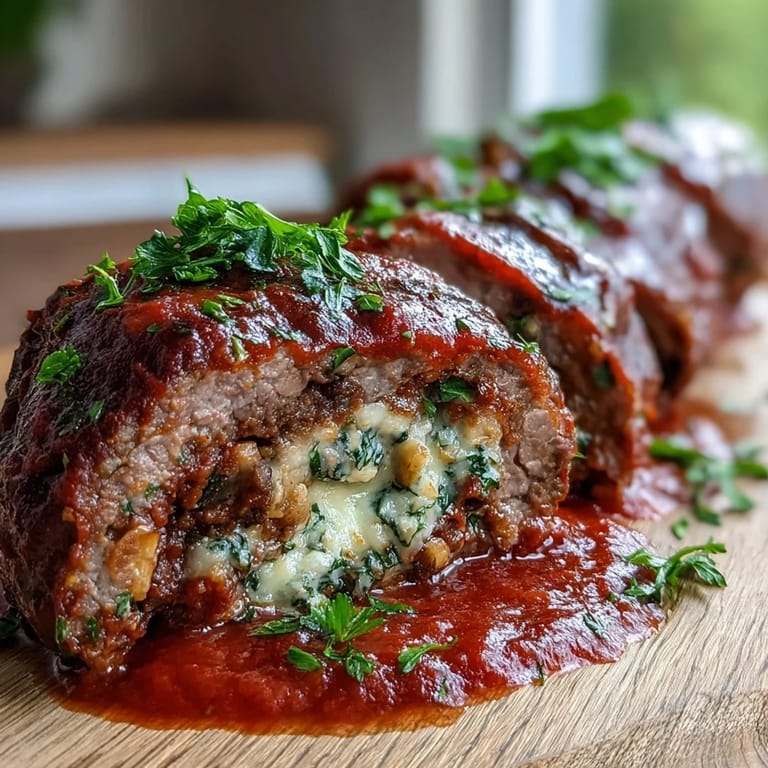
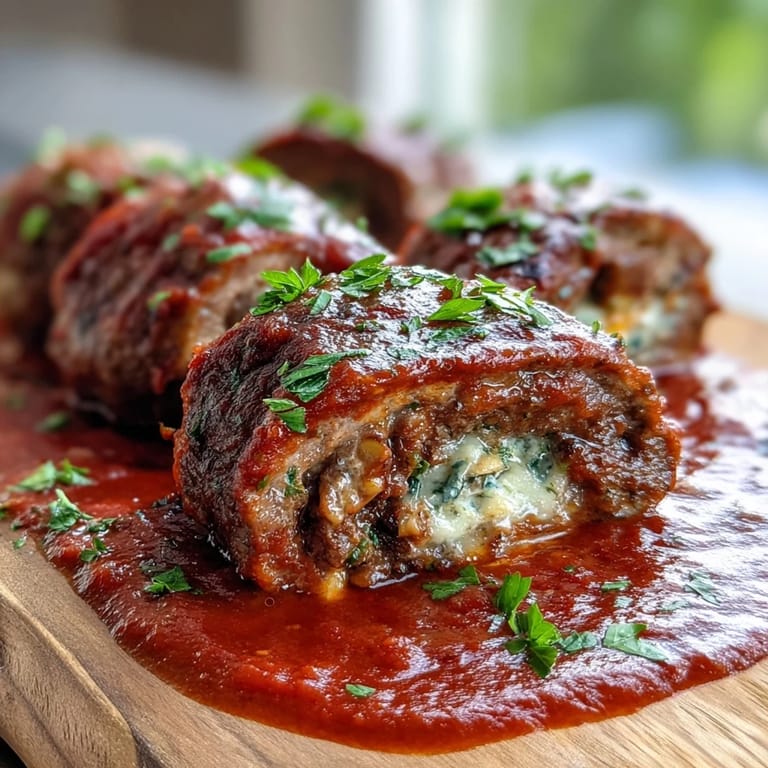
- Carefully remove the braciole from the sauce, snip off the twine or pull out the toothpicks, then slice each roll into thick rounds. Arrange them on a serving platter and spoon that gorgeous sauce over the top, making sure each piece gets plenty.
 Save
Save The first time I nailed this recipe, I called my cousin Maria and she could hear the pride in my voice before I even said anything. She laughed and told me her nonna used to say that braciole was a test: if you could wait for them to finish cooking without peeking every ten minutes, you were ready to be trusted with the family secrets. I still peek sometimes, but at least now I know what I'm looking for.
What to Serve Alongside
This dish practically begs for something to soak up that incredible sauce, and I usually go with a simple pasta tossed in a bit of the braciole sauce or creamy polenta that acts like an edible sponge. A crisp green salad with a sharp vinaigrette cuts through the richness, and crusty bread is non-negotiable for mopping up every last drop from your plate. If you're feeling ambitious, roasted vegetables like fennel or zucchini add a nice textural contrast without competing for attention.
Making It Your Own
Some Sicilian cooks tuck chopped hard-boiled egg into the filling for extra richness, and I've seen versions with thin slices of prosciutto rolled in with the beef for a salty, porky dimension. You can swap the raisins for chopped dried apricots if you want a tangier sweetness, or leave them out entirely if sweet and savory isn't your thing. The sauce is forgiving too: add a pinch of red pepper flakes if you like heat, or a bay leaf for a subtle herbal note that disappears into the background but somehow makes everything taste more complete.
Storage and Reheating
Braciole keep beautifully in the refrigerator for up to three days, stored in their sauce in an airtight container, and the flavors only deepen as they sit. Reheat gently on the stovetop over low heat, adding a splash of water or broth if the sauce has thickened too much, and resist the urge to use the microwave because it can make the beef rubbery. You can also freeze them for up to three months, though I recommend slicing them first and freezing in portion-sized containers with plenty of sauce so they don't dry out.
- Always bring refrigerated braciole to room temperature for about twenty minutes before reheating so they warm evenly.
- If the sauce separates after freezing, a quick stir over gentle heat will bring it back together.
- Leftover sauce is incredible tossed with pasta the next day, even without the meat.
 Save
Save This is the kind of dish that makes your kitchen smell like it belongs to someone who actually knows what they're doing, even if you're still figuring it out. Every time I make it, I think of Maria and her nonna, and how good food is really just a long conversation between generations.
Recipe FAQs
- → What cut of beef works best for braciole?
Beef top round or flank steak works best as these cuts are lean, flavorful, and become tender when slow-cooked in the tomato sauce. Ask your butcher to slice them thinly, about 1/4-inch thick.
- → Can I make braciole ahead of time?
Yes, you can assemble the rolls up to a day in advance and refrigerate them. You can also make the entire dish ahead and reheat gently before serving, which often enhances the flavors.
- → What can I substitute for pine nuts?
Chopped walnuts or almonds make excellent substitutes for pine nuts. Toast them lightly before using to bring out their flavor and add a similar nutty richness to the filling.
- → How do I prevent the rolls from opening during cooking?
Secure the rolls tightly with kitchen twine or toothpicks, making sure to tuck in the sides before rolling. Searing them well on all sides also helps seal the edges and keep the filling inside.
- → What should I serve with braciole?
Braciole pairs beautifully with pasta tossed in the cooking sauce, creamy polenta, mashed potatoes, or crusty Italian bread for soaking up the rich tomato sauce. A simple green salad completes the meal.
- → Can I use a different cheese instead of pecorino?
Pecorino Romano provides an authentic sharp, salty flavor, but you can substitute with Parmigiano-Reggiano for a milder taste or a combination of both cheeses for balanced flavor.