 Save
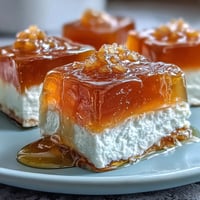
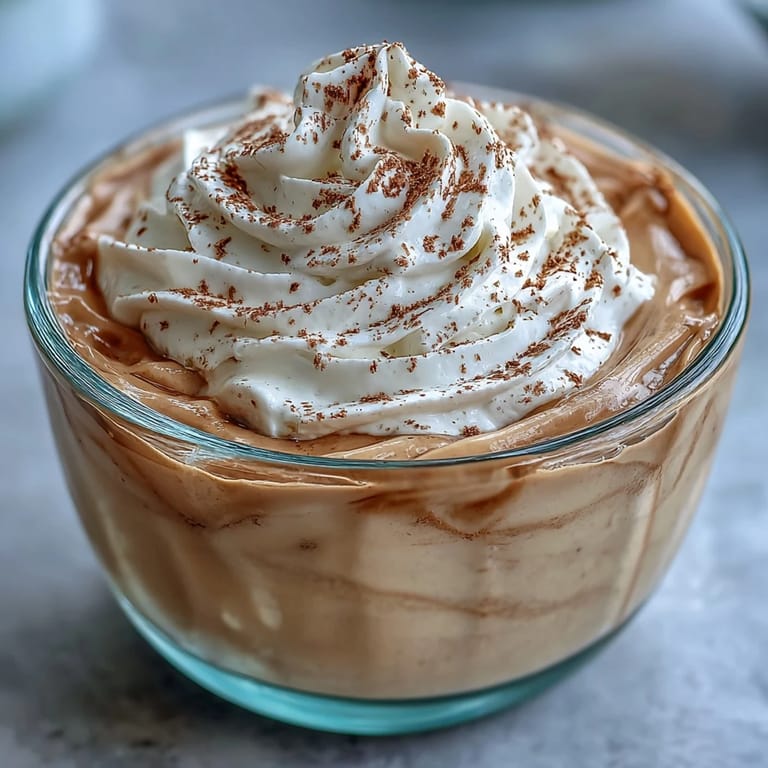
Save My first encounter with hojicha pudding happened on a quiet afternoon in a small Tokyo café, where the server placed this glossy, amber-tinted custard before me without fanfare. One spoonful and I understood—this wasn't just dessert, it was the essence of roasted tea transformed into something impossibly silky. The flavor landed somewhere between toasted grain and velvet, earthy yet gentle, and I spent the next hour trying to decode how they'd managed such refinement from something so simple. Years later, I finally cracked the technique in my own kitchen, and now this pudding appears whenever I want to impress without the fuss.
I made this for my partner's family dinner last spring, nervous about serving something so unfamiliar to people who expected typical desserts. The room went quiet when they tasted it—not in a bad way, but the kind of quiet that means someone's experiencing something unexpected. By the end of the meal, three of them had asked for the recipe, and one aunt actually teared up saying it reminded her of a tea ceremony she attended in Kyoto forty years ago. That's when I realized this pudding carries something beyond flavor—it's a bridge between cultures and memories.
Ingredients
- Whole milk: Use full-fat because the richness is non-negotiable here; it's what makes the custard coat your spoon like silk rather than skim milk's thinner finish.
- Heavy cream: This prevents the pudding from tasting thin or one-note, adding a luxurious mouthfeel that balances hojicha's earthiness.
- Hojicha loose leaf tea: Hunt for quality loose leaf over bags if you can; the flavor is noticeably more vibrant and the leaves steep more evenly without dusty bits.
- Granulated sugar: Keep it simple here—flavored sugars will muddy the delicate hojicha taste you're chasing.
- Large eggs: They're your thickening agent and must be fresh; old eggs won't emulsify as smoothly when you temper them with warm milk.
- Vanilla extract: A teaspoon might sound small, but it's the secret that ties everything together, adding a soft background note that makes hojicha sing.
Tired of Takeout? 🥡
Get 10 meals you can make faster than delivery arrives. Seriously.
One email. No spam. Unsubscribe anytime.
Instructions
- Warm the dairy base:
- Pour milk and cream into a saucepan and heat over medium, watching for small bubbles at the edges. You're aiming for just below a simmer—the moment steam rises but it hasn't started an angry boil—because hojicha is delicate and will turn bitter if the liquid gets too hot.
- Steep the hojicha:
- Remove from heat immediately and add your tea leaves, letting them unfurl for 5 to 7 minutes until the liquid turns a warm caramel-brown. Strain through a fine mesh, pressing gently on the leaves to coax out every bit of flavor without squeezing so hard that you extract bitterness.
- Whisk sugar and eggs:
- In a separate bowl, whisk sugar and eggs together until the mixture lightens in color and turns pale—this takes about a minute and signals that you've incorporated air, which helps the custard set properly.
- Temper the eggs:
- This is the moment many people rush, so take your time. Slowly pour the warm hojicha milk into the egg mixture in a thin stream while whisking constantly; this gradual process raises the egg temperature gently without scrambling them.
- Add vanilla and strain again:
- Stir in vanilla extract, then pour everything through a fine sieve into a clean saucepan. This second straining removes any bits of cooked egg that may have formed and ensures your pudding is silky smooth.
- Cook the custard:
- Set the heat to low and stir constantly with a spatula, scraping the bottom and sides. After about 5 to 7 minutes, the custard will coat the back of a spoon in a thin, even layer—dip a spoon in and run your finger across it; if the line holds, you're done.
- Cool and chill:
- Pour into serving glasses and let cool to room temperature on the counter, then refrigerate for at least 2 hours. The pudding continues to set as it cools, becoming that perfect spoon-gliding custard you're after.
 Save
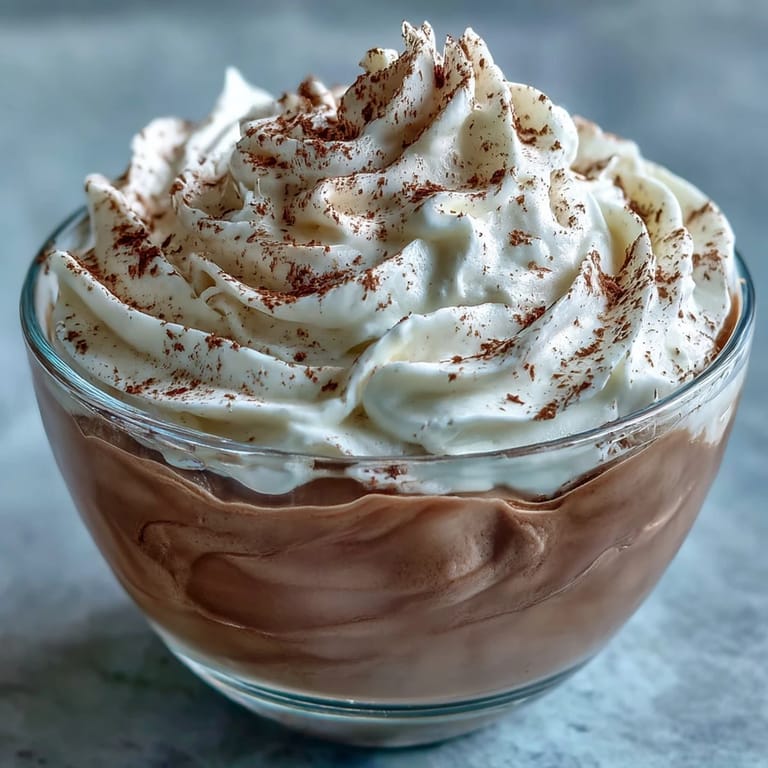
Save There's a moment when you pull the pudding from the fridge and see it's set perfectly, that slight jiggle when you move the glass, the way it catches the light—and you realize you've made something that feels luxurious enough for a restaurant but personal enough for your kitchen. That's when this pudding stops being a recipe and becomes a small ritual.
The Magic of Hojicha
Hojicha isn't like green tea; it's roasted at high temperatures, which mellows the grassiness and brings out nutty, toasted notes. This transformation is what makes it perfect for custard—green tea would taste sharp or vegetal, but hojicha whispers. When you steep it in warm milk, those roasted flavors bloom gently, creating something that feels both familiar and exotic, like tasting tea through a completely different lens.
Storage and Make-Ahead Strategy
These puddings keep beautifully in the fridge for up to 3 days, covered loosely so they don't absorb other flavors. You can actually prepare them the night before a dinner party, which means you're one less thing away from panic when guests arrive. I've even made the custard base in the morning and chilled it, then poured into serving glasses just before people showed up, which takes 30 seconds and feels like finishing touches.
Variations and Flavor Explorations
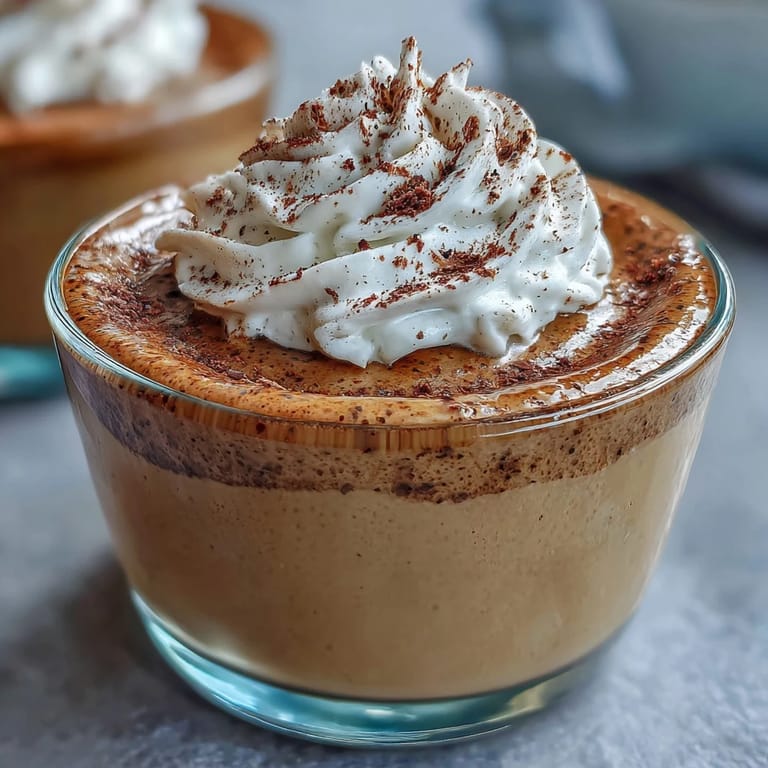
Once you nail the base technique, hojicha pudding becomes a canvas for your mood. Some days I dust the top with cocoa powder; other times I drizzle with honey or add a handful of black sesame seeds for crunch. You can swap in matcha powder instead of hojicha if you want earthier and slightly more grassy, or experiment with other Japanese teas like genmaicha for a popcorn-like complexity. The structure stays the same, only the flavor notes change.
- Fresh berries or candied yuzu add brightness that balances the tea's toasted warmth without overwhelming it.
- A tiny pinch of salt sprinkled on top amplifies the hojicha flavor and keeps the sweetness from cloying.
- Whipped cream infused with a touch of hojicha powder takes the topping from simple to intentional.
 Save
Save Making hojicha pudding is an act of slowing down, of respecting ingredients that are already perfect and letting them speak for themselves. Serve it and watch people's faces soften as they taste something quietly beautiful.
Recipe FAQs
- → What does hojicha taste like?
Hojicha has a distinctive earthy, roasted flavor with notes of caramel and a subtle smokiness. Unlike other green teas, it's lower in tannins which creates a milder, less bitter profile that pairs beautifully with creamy desserts.
- → Can I make this dairy-free?
Yes, substitute whole milk with coconut milk and heavy cream with a plant-based cream alternative. Replace the eggs with 2 tablespoons of cornstarch to achieve the proper thickening and set.
- → How long does this custard keep in the refrigerator?
The hojicha custard will stay fresh for up to 3 days when stored in airtight containers in the refrigerator. The flavors may actually deepen and improve after a day of chilling.
- → Why is straining the mixture important?
Straining ensures an ultra-smooth texture by removing any cooked egg bits and loose tea leaves. It's the key to achieving that professional, silken consistency characteristic of fine custards.
- → Can I use hojicha powder instead of loose leaves?
Absolutely. Use 2 teaspoons of hojicha powder and whisk it directly into the warm milk mixture. No need to strain when using powder, though straining the egg mixture is still recommended for smoothness.