 Save
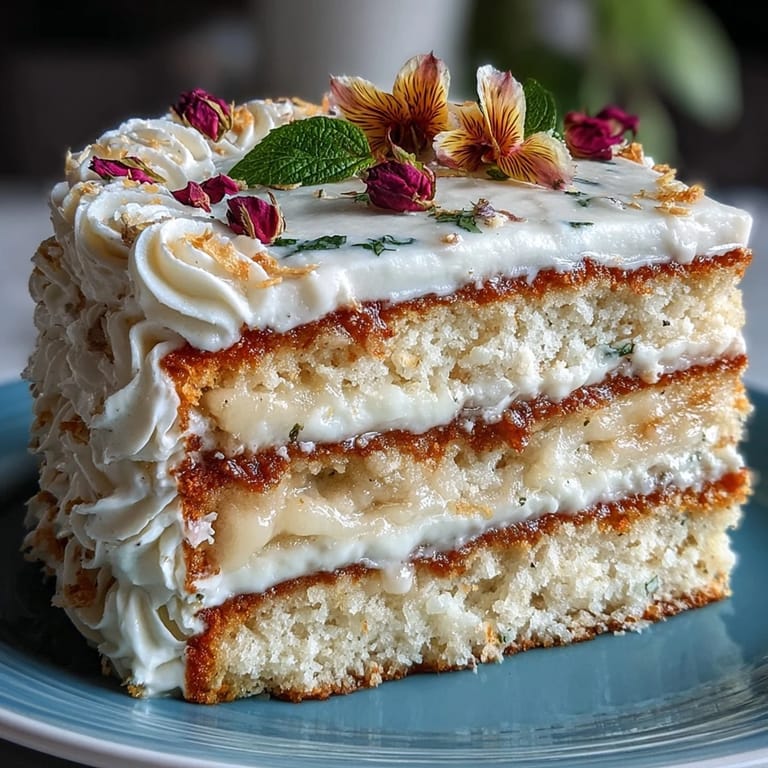
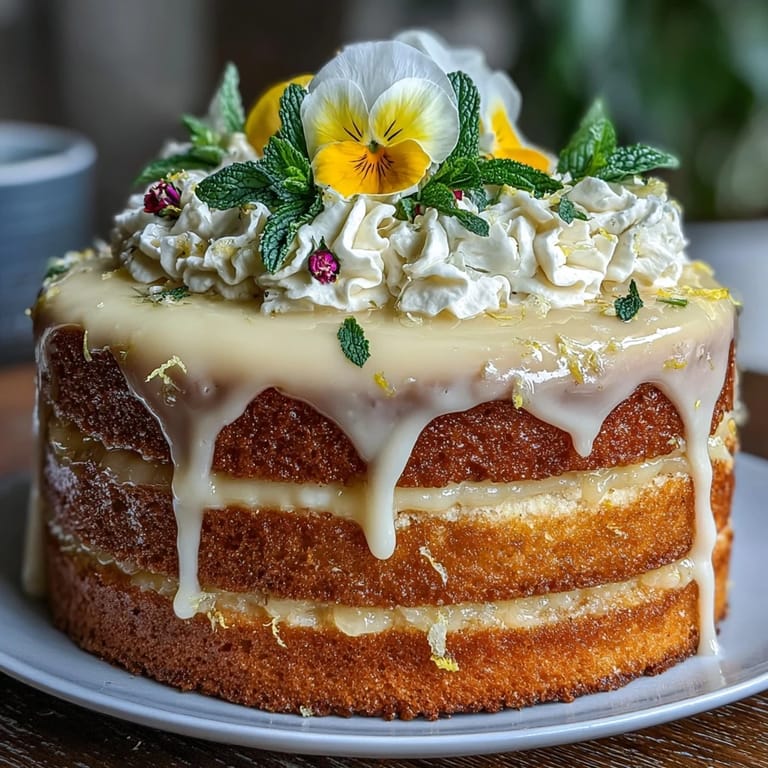
Save The scent of lemons fills the kitchen every time I zest them, but making this lemon curd layer cake for Mother's Day always feels extra joyful—like getting a hug from sunshine. One morning, birdsong drifted through the open window as I stirred curd at the stove, and I found myself humming along. There’s something quietly mesmerizing about watching eggy lemon mixture transform into golden silk under your whisk. The finished cake, haloed with edible blossoms, manages to look as celebratory as it tastes. It’s a labor of love that still surprises me with its brightness every time I cut a slice.
Last spring, I baked this cake for brunch with my friends—the kind of gathering that starts with coffee and ends well after dessert. We assembled the layers together, sneaking spoonfuls of curd and laughing when a pansy landed sideways on the frosting. Later, as we sliced into the cake, my friend confessed it was the prettiest dessert she’d ever seen at a kitchen table. That moment, sweet and unhurried, felt almost as special as the cake itself.
Ingredients
- All-purpose flour: Use one with moderate protein for tender, fluffy cake layers and always sift before mixing to avoid lumps.
- Baking powder & baking soda: The combination makes the sponge rise beautifully—measure with care for perfectly airy results.
- Unsalted butter: Cream at room temperature for a smooth, light batter; cold butter will clump and make mixing harder.
- Granulated sugar: Adds sweetness and helps the cakes turn golden as they bake.
- Eggs: Room temperature eggs blend into the batter and curd seamlessly; cold eggs can make the mixture curdle.
- Lemon zest & juice: Fresh zest and juice give a vibrant citrus punch that bottled versions just can’t match.
- Vanilla extract: A splash rounds out the brightness of the lemon with mellow undertones.
- Whole milk: Room temperature milk keeps the cake batter smooth and tender—don’t use skim or it can dry out the crumb.
- Powdered sugar: For sweetening and stabilizing the whipped cream frosting.
- Heavy cream: Cold cream whips up into soft clouds, the perfect contrast to tangy curd.
- Edible flowers: Only select blooms from a trusted source; they’re the delicate finishing flourishes that turn the cake into art.
Tired of Takeout? 🥡
Get 10 meals you can make faster than delivery arrives. Seriously.
One email. No spam. Unsubscribe anytime.
Instructions
- Prepare your pans:
- Line and grease three 8-inch round cake pans, making sure every inch is covered to prevent sticking.
- Mix the dry ingredients:
- Inhale the subtle grainy scent of flour as you whisk together flour, baking powder, baking soda, and salt—these are the humble anchors of your sponge.
- Cream butter and sugar:
- Beat softened butter and sugar until billowy and pale; the mixer’s hum and rich aroma tell you it’s almost there.
- Build your batter:
- Add eggs individually, then gently beat in lemon zest, juice, and vanilla, pausing to scrape down the bowl so nothing sneaks away.
- Combine with milk and flour:
- Alternate dry mix and milk, stirring gently until just incorporated; overmixing is the nemesis of tenderness.
- Bake and cool:
- Divide the batter among pans, bake until golden, and your kitchen fills with a warm, lemony haze. Let the cakes cool before you even think of assembling.
- Make the lemon curd:
- Whisk curd ingredients in a saucepan, stirring as it thickens to silk—watching for that magical moment when it coats a spoon. Take it off the heat and stir in butter, then chill with plastic wrap pressed to the surface.
- Whip the frosting:
- Let cold cream, sugar, and vanilla become light, swoopy peaks—be patient, the transformation is worth the wait.
- Assemble the cake:
- Layer cake, whipped cream, and curd with gentle hands, repeating until you crown it with the last tier and a flurry of whipped cream.
- Decorate with flowers:
- Cascade edible blossoms on top, tucking them here and there so every slice looks like a gift; serve soon to enjoy at their most vibrant.
 Save
Save 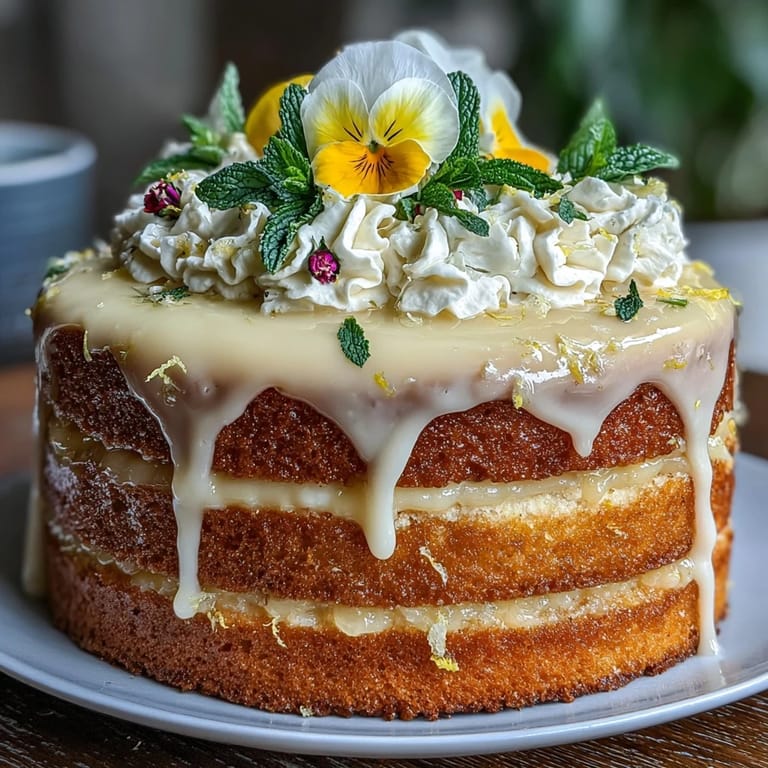 Save
Save The first time I brought this cake out to the garden table, my mom’s face lit up—she ran her finger along the petal-flecked frosting before anyone cut a piece. That memory has made this recipe feel like its own little celebration, even when there’s no official occasion on the calendar.
Working with Edible Flowers
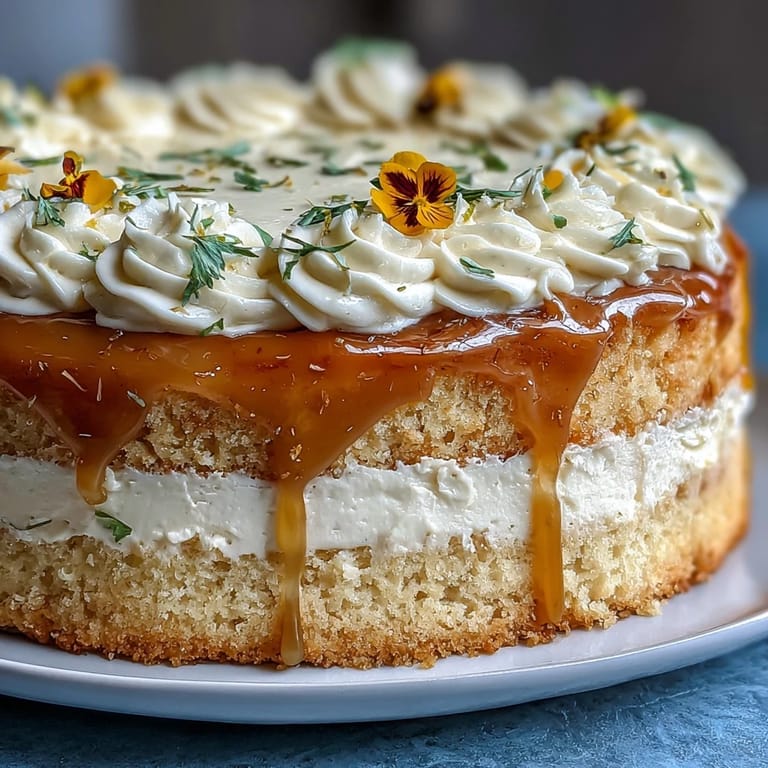
Edible flowers are the detail that transforms this cake, but they have their own quirks. I’ve learned that a gentle rinse and pat dry well before decorating is essential—damp petals are too fragile and can damage the frosting. Try arranging the flowers just minutes before serving so they stay vibrant and perky. And remember, a light hand is best—let the natural shapes and colors charm your cake.
Making Lemon Curd Without Stress
Lemon curd looks intimidating but it actually rewards slow, careful attention more than perfection. I like to whisk with one hand and keep a spatula ready to check thickness on the back of a spoon. Tiny lumps can usually be whisked out early on—if not, a quick strain through a sieve saves the day. Chilling it with plastic touching the surface guarantees you won’t get a single skin on top.
Planning Ahead for a Calm Bake
I’ve found the day goes smoother if I bake the cakes and make the curd a night ahead, then assemble everything the next morning. This not only makes the dessert taste even zestier, but also lets you relax and enjoy the process—no scrambling with cooling racks or late-night frosting. Keep the layers and curd well wrapped until you’re ready to build the cake.
- If you can, whip the cream just before assembling for the best texture.
- Bringing everything to room temperature before mixing helps prevent cracks.
- Divide your work into stages—it makes the entire process less fussy and far more enjoyable.
 Save
Save 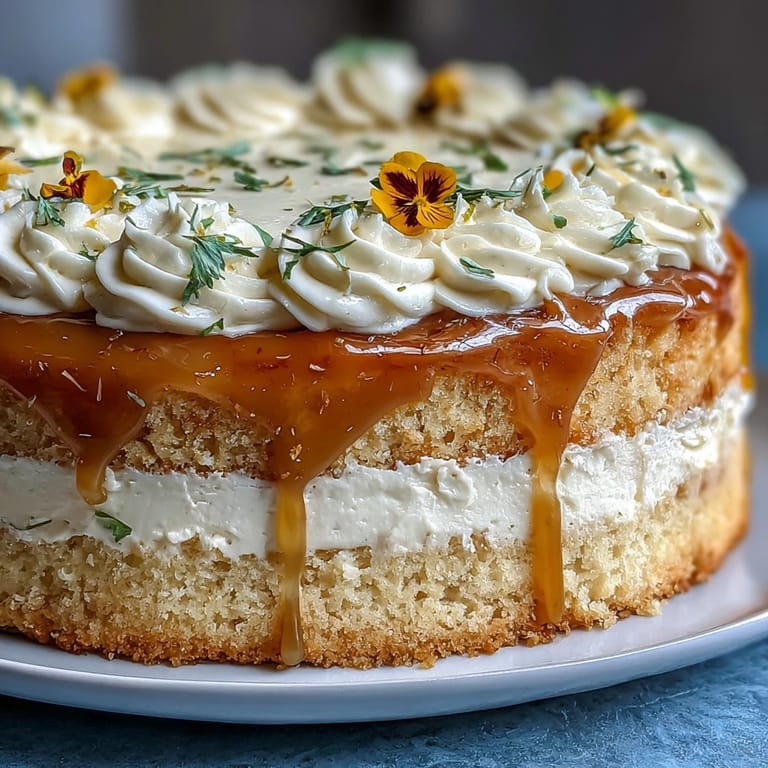 Save
Save Letting the cake become the centerpiece—surrounded by friends, laughter, and scattered petals—reminds me why I keep coming back to homemade treats. A slice of this lemon curd layer cake always feels like a small, joyful celebration in itself.
Recipe FAQs
- → Can I make the lemon curd ahead of time?
Yes. Cook the curd until thick, transfer to a bowl, press plastic wrap to the surface to prevent a skin, and chill. It firms up as it cools and can be stored refrigerated for up to 4 days.
- → How do I keep the sponge tender and light?
Use room-temperature eggs and milk, cream butter and sugar until pale and fluffy, and add flour in alternating additions with milk. Avoid overmixing once the flour is incorporated to preserve a tender crumb.
- → What’s the best way to get stiff, stable whipped cream?
Chill the bowl and beaters beforehand, use very cold heavy cream, and add powdered sugar as you whip. For extra stability, a touch of mascarpone or a light gelatin stabilizer can be folded in.
- → Are edible flowers safe to use on the cake?
Only use flowers labeled food-grade or grown organically for culinary use. Rinse gently, pat dry, and remove any inedible stems or pistils. Always verify the source before plating.
- → Can I add fruit between the layers?
Yes. Fresh berries make a lovely complement to lemon curd; pat berries dry to avoid extra moisture and layer them sparingly to keep slices neat.
- → How should I store the assembled cake?
Keep the cake refrigerated, covered loosely to protect the flowers, and consume within 2–3 days. If storing components separately, the sponge and curd can be kept chilled and assembled the next day for fresher texture.