 Save
Save I'll never forget the first time I encountered a noodle board like this at a trendy Asian fusion restaurant in the city. I was immediately captivated by how the chef had arranged everything with such intention, each ingredient in its own perfect line, waiting to be mixed and matched. The way diners could customize their own bites felt like such a celebration of choice and creativity. That evening sparked an obsession, and I spent weeks perfecting my own version at home, learning how to prep vegetables so they'd maintain their crunch, how to cook noodles just right, and most importantly, how to arrange everything so it looked as gorgeous as it tasted.
The moment I truly fell in love with this dish was when I made it for my best friend's dinner party on a warm summer evening. She arrived stressed from work, and within minutes of walking in, her whole face changed seeing that beautiful board. She spent the next hour slowly building different combinations, laughing with the other guests, and I realized this wasn't just food anymore—it was an experience, a conversation starter, a reason for people to slow down together.
Ingredients
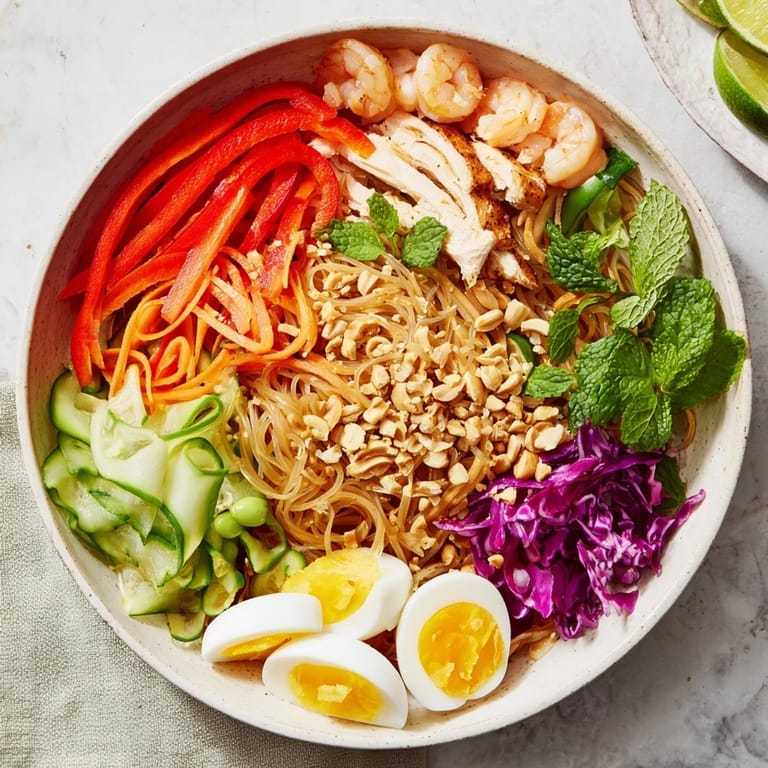
- Rice noodles or soba noodles (300 g): These cook in minutes and provide the perfect neutral base that carries all the other bright flavors. I learned the hard way to rinse them thoroughly under cold water after cooking, or they'll clump together. The sesame oil tossed through them adds a subtle nutty note that ties everything together.
- Sesame oil (1 tbsp): This is non-negotiable. It prevents sticking and adds an aromatic quality that immediately signals you're eating something special.
- Cooked chicken breast (200 g, thinly sliced): Cook it gently so it stays tender and juicy. Slicing it thin means more surface area to soak up sauce flavors.
- Cooked shrimp (150 g, peeled and deveined): The sweetness of shrimp against the savory sauces creates such a beautiful contrast. Have them ready to go because they don't need any cooking on the day.
- Boiled eggs (2, halved): The yolk adds richness and helps bind everything together when you're dipping. I like to soft boil mine so there's just a hint of creaminess.
- Fresh vegetables (carrots, cucumber, bell pepper, red cabbage, edamame, radishes, scallions): This is where the magic happens. Each vegetable brings its own texture and color story. Prep them as close to serving as possible so they stay crisp and vibrant. The radishes add a peppery bite that surprised me the first time I tried them.
- Fresh cilantro and mint leaves (1/4 cup each): These herbs are the final flourish that makes everything taste alive and bright. Don't skip them or chop them too early or they'll wilt.
- Roasted peanuts (1/4 cup, chopped): Toast your own if you have time, or quality store-bought works beautifully. They add crunch and earthiness that grounds all the delicate vegetables.
- Toasted sesame seeds (2 tbsp): Toast them yourself in a dry pan for about two minutes until fragrant. This small step makes a surprising difference in flavor.
- Lime wedges: The brightness of fresh lime is essential. Don't use bottled juice, the living tartness of fresh lime changes everything.
- Dipping sauces (soy, peanut, hoisin, sweet chili): These four sauces represent the flavor spectrum of what makes Asian fusion work. Each one tells a different story and invites different combinations with the ingredients.
Tired of Takeout? 🥡
Get 10 meals you can make faster than delivery arrives. Seriously.
One email. No spam. Unsubscribe anytime.
Instructions
- Start with Perfect Noodles:
- Bring a pot of water to a rolling boil and cook your noodles according to package instructions, usually about 4-5 minutes for rice noodles. As soon as they're tender but not mushy, drain them immediately into a colander. Run cold water over them generously, using your hands gently to separate any strands that are sticking together. The cold water stops the cooking process and keeps them from turning to mush. Toss them with the sesame oil so each strand is lightly coated and glistening.
- Prep All Your Vegetables:
- This is the meditative part, the part where you slow down and really see your ingredients. Using a sharp knife, julienne your carrots into delicate matchsticks, slice your cucumber paper-thin, cut your bell pepper into thin strips, and slice your red cabbage so thin you can almost see through it. The radishes should be sliced into paper-thin rounds. Stack your scallions with the white and light green parts separated. Each cut should feel intentional because this is what will make your board beautiful.
- Cook Your Proteins:
- If you're cooking everything fresh, start with the chicken and shrimp first since they need actual cooking time. The chicken should be cooked through but still tender, about 12-15 minutes depending on thickness. The shrimp only needs 2-3 minutes until they turn pink and curl. For the eggs, boil them until the whites are set but the yolks still have a slight jiggle to them, which takes about 6-7 minutes. Let everything cool to room temperature before arranging.
- Build Your Canvas:
- Start with a large, clean board or platter. This is your canvas, and you're about to be an artist. Place your cooled cooked noodles in a generous pile or fan them out artfully. They're your anchor, the foundation everything else will relate to.
- Arrange Each Ingredient with Purpose:
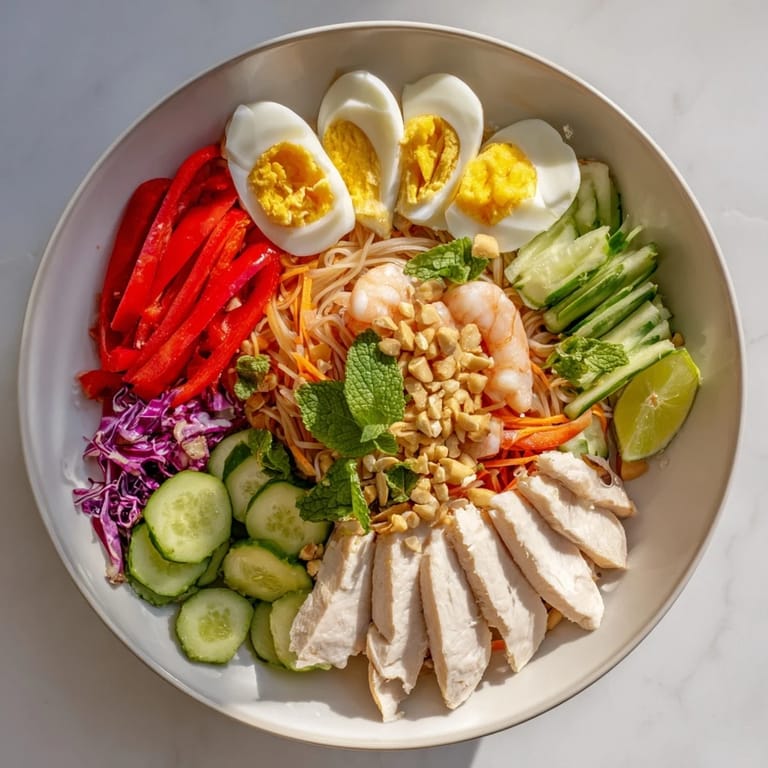
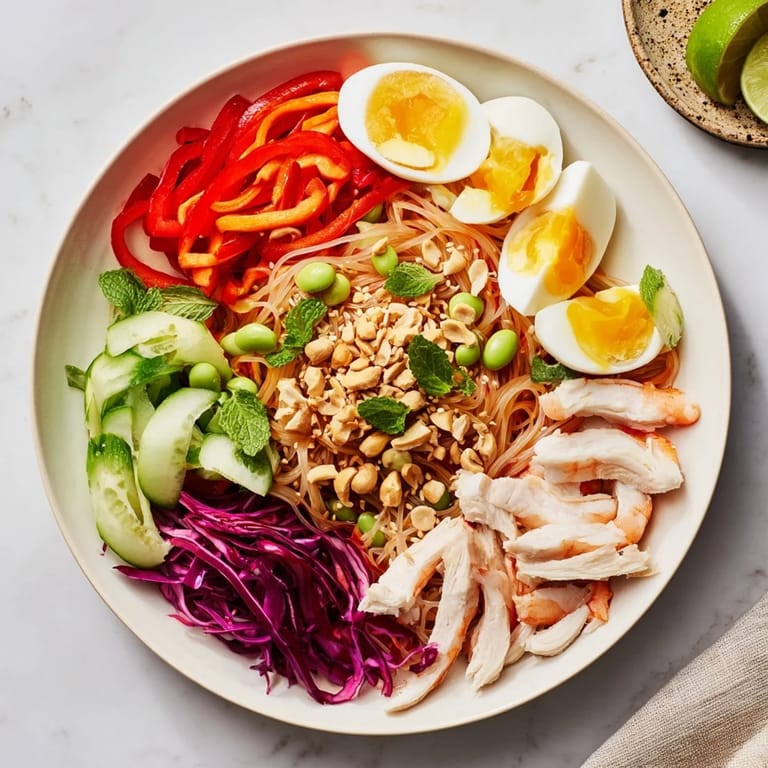
- Now comes the fun part. Create neat lines or fans of each vegetable, standing them up or arranging them so the colors create visual harmony. Think about color blocking—the orange carrots next to the white daikon, the deep red cabbage contrasting with the bright cucumber green. This isn't just functional, it's beautiful. Each section of your board should tell a color story.
- Create a Sauce Station:
- Find the center of your board and place a divided bowl or four small bowls filled with your dipping sauces. This is the heart of the board, the place where all the magic will happen when people start building their bites. If you can't find a divided bowl, ramekins work perfectly.
- Add Your Proteins with Strategy:
- Arrange the sliced chicken, shrimp, and halved eggs in separate sections around the board. They don't need to be in perfect lines, but they should be distinct enough that people can easily grab what they want.
- Finish with Garnish Magic:
- Just before serving, scatter your fresh cilantro leaves, mint, and roasted peanuts across the top of the board like you're making a final artistic statement. Sprinkle the toasted sesame seeds everywhere. Place your lime wedges around the perimeter. Step back and look at what you've created. It should look like a celebration.
 Save
Save I remember my neighbor peering over the fence while I was setting up this board for a casual family lunch, and without saying anything, she asked if she could join us. That's when I knew this recipe was about more than just eating well. It was about creating moments where people want to gather, where the presentation is so inviting that it pulls people in before they even taste a bite.
The Art of Arrangement
What I've discovered over many iterations of making this board is that the arrangement is actually more important than you might think. It's not just pretty for the sake of pretty. When vegetables are arranged thoughtfully, with colors that complement each other and shapes that create visual interest, people instinctively eat more mindfully. They're drawn to try different combinations because the board is telling them a story of possibilities. I've learned to think about the board like a painter thinks about a canvas, with warm colors balanced by cool colors, tall elements creating height variation, and empty spaces that let each ingredient breathe.
Building Your Own Bowl
The beauty of this recipe is that it transforms the act of eating from passive to active. Everyone gets to decide their own adventure, which means people who normally wouldn't mix certain flavors together suddenly feel brave enough to try. I've watched people discover that they love the combination of spicy peanut sauce with fresh mint and crispy radishes, something they never would have thought to try in a traditional restaurant setting. The dipping sauces are your flavor translators, each one opening different doors to how everything tastes together.
Making It Your Own
Once I understood the basic structure, I started playing with variations that reflected the seasons and what looked good at the market. In winter, I've added pickled vegetables and kimchi for extra tang and complexity. In summer, I've added fresh corn kernels and heirloom tomato slices. The frame stays the same, but what you fill it with can change.
- Try adding crispy wonton strips or fried shallots for textural variety and extra crunch.
- Swap in different proteins like duck, beef, or for vegetarians, marinated tofu or chickpeas for extra substance.
- Make your own dipping sauces using sriracha, ginger, garlic, and lime juice for a more personal touch.
 Save
Save Every time I make this board, I'm reminded that food is really about connection. It's about creating something beautiful enough that people want to slow down, gather around it, and share time together.
Recipe FAQs
- → What types of noodles work best?
Rice noodles or soba noodles are ideal for this dish due to their light texture and ability to absorb sauce flavors.
- → Can the proteins be substituted for vegetarian options?
Yes, firm tofu can replace chicken and shrimp for a vegetarian-friendly option without compromising texture or taste.
- → How should I arrange the ingredients on the board?
Arrange the noodles, vegetables, proteins, and garnishes in neat rows or fans. Place dipping sauces in a central divided bowl for easy access and visual appeal.
- → Which sauces complement the platter?
Soy sauce, spicy peanut sauce, hoisin sauce, and sweet chili sauce add layers of flavor and balance the fresh ingredients.
- → Are there options to accommodate allergies?
Use tamari instead of soy sauce to avoid gluten. Omit peanuts or replace with seeds if nut allergies exist.
- → What garnishes enhance freshness?
Fresh cilantro, mint leaves, roasted peanuts, toasted sesame seeds, and lime wedges add aroma, texture, and brightness.