 Save
Save My kitchen filled with the sound of sizzling oil the first time I attempted chicken katsu, and I realized almost instantly that this wasn't going to be some complicated undertaking. A friend had brought back stories from Tokyo about golden, crispy cutlets that stayed impossibly juicy inside, and I became obsessed with recreating that exact contrast. What struck me most wasn't the technique but how forgiving the whole process turned out to be, even when I made small mistakes in my breading station setup. Now it's become one of those dishes I make when I want to impress people without spending hours in the kitchen.
There was this particular Tuesday when my partner came home exhausted and mentioned wanting Japanese food, and I remembered I had everything for this katsu in the fridge. Twenty minutes later, watching their face light up when they bit into that crispy exterior was worth every second of prep. That moment taught me that simple recipes executed well can be just as meaningful as anything requiring hours of attention.
Ingredients
- Boneless, skinless chicken breasts (4, about 150 g each): The thinning step matters more than you'd think because it ensures even cooking and that perfect tenderness inside the crispy shell.
- Salt and black pepper (1/2 teaspoon and 1/4 teaspoon): These simple seasonings go right on the pounded chicken before any breading touches it, building flavor from the inside out.
- All-purpose flour (1/2 cup): This creates the base layer that helps everything stick together and should always be shaken off gently to avoid clumpy coating.
- Large eggs and water (2 eggs, 1 tablespoon water): The water thins the egg slightly so it doesn't create a thick, gluey layer that prevents the panko from adhering properly.
- Panko breadcrumbs (1 1/2 cups): These Japanese-style crumbs have larger granules than regular breadcrumbs, which is exactly why your katsu gets that distinctive shatteringly crisp texture instead of a dense crust.
- Vegetable oil (1 cup): Use something neutral that can handle medium heat without smoking, and don't skimp on the amount because shallow frying needs enough oil to give you that perfect golden color.
- Tonkatsu sauce ingredients (ketchup, Worcestershire, soy, mirin, mustard, sugar): This combination tastes tangy and slightly sweet, cutting through the richness of the fried chicken in the most satisfying way possible.
- Shredded cabbage, lemon wedges, steamed rice (optional): These sides aren't just decoration but work together to balance the dish with freshness and acidity.
Tired of Takeout? 🥡
Get 10 meals you can make faster than delivery arrives. Seriously.
One email. No spam. Unsubscribe anytime.
Instructions
- Pound those chicken breasts even:
- Place each breast between two sheets of plastic wrap and use a meat mallet or the bottom of a rolling pin to gently tap until they're about half an inch thick all over. This matters because uneven thickness means one end dries out while the other stays raw, which defeats the whole purpose.
- Season with intention:
- Sprinkle both sides with salt and pepper right after pounding, letting the seasoning sink into the meat while you set up your breading station.
- Create your three dish assembly line:
- Arrange shallow dishes with flour in the first, beaten egg mixed with water in the second, and panko breadcrumbs in the third. This setup keeps things organized and prevents you from getting lost in the breading process.
- Bread each cutlet carefully:
- Dredge the chicken in flour first, shaking off excess so it's just lightly coated. Dip completely in the egg mixture, then press gently into the panko, making sure the crumbs stick to every surface.
- Get your oil ready:
- Heat vegetable oil in a large skillet over medium heat until it shimmers and moves easily when you tilt the pan, which signals it's reached around 170 degrees Celsius. If it smokes, your heat is too high.
- Fry the cutlets until golden:
- Add the breaded chicken to the hot oil and listen for that immediate sizzle as it hits the pan. Fry for three to four minutes per side, watching the color change from pale gold to deep golden brown, then transfer to a wire rack or paper towels to drain.
- Whisk together your sauce:
- In a small bowl, combine ketchup, Worcestershire sauce, soy sauce, mirin, mustard, and sugar, stirring until everything is smooth and no streaks of any ingredient remain.
- Plate and serve while hot:
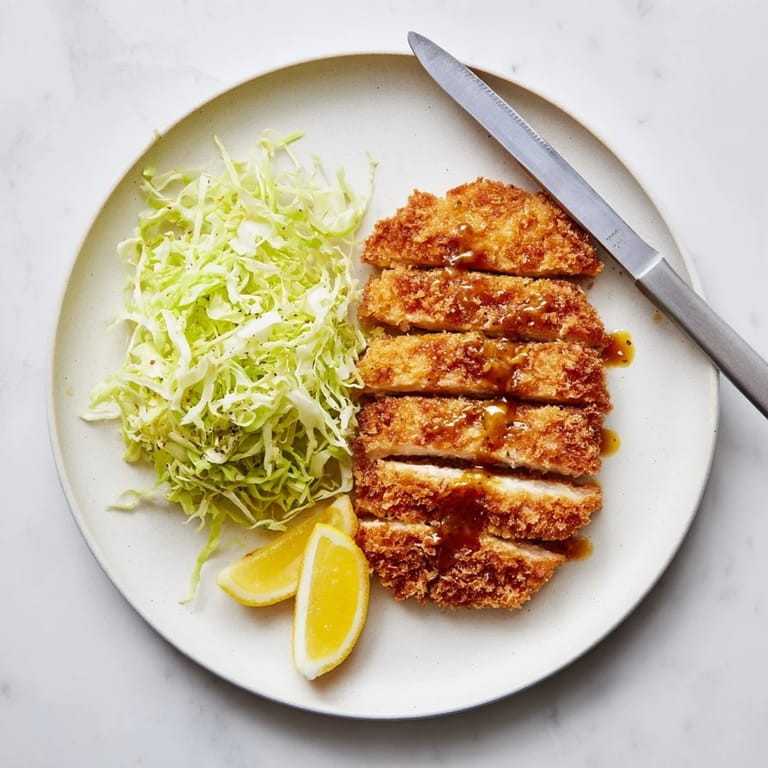
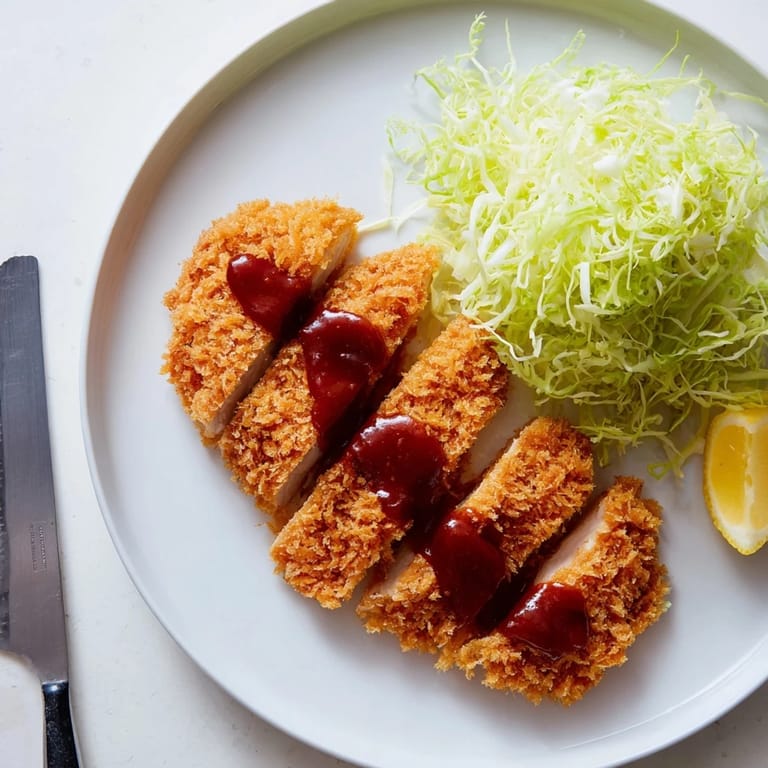
- Slice your katsu into strips, arrange on plates with shredded cabbage, lemon wedges, and rice if you're using them, then pour the sauce over top or serve it on the side for dipping.
 Save
Save There's something almost meditative about watching someone eat this dish for the first time, the way they pause after that initial bite and then can't stop coming back for more. It's the kind of food that bridges cultures and skill levels, reminding you that sometimes the most satisfying meals come from nailing the basics rather than attempting something unnecessarily complex.
The Secret to Staying Juicy
The pounding step isn't just about even cooking, though that matters tremendously. When you gently hammer that chicken breast to a consistent thickness, you're tenderizing the muscle fibers and creating a cutlet that cooks quickly enough to lock in all the natural juices before they have a chance to escape. I learned this the hard way after my first attempt, when I skipped this step entirely and ended up with something that tasted like cardboard, no matter how perfectly golden the crust turned out. Now I see the meat mallet as essential, not optional.
Oil Temperature Makes All the Difference
Too cool and your chicken absorbs oil like a sponge, emerging greasy and sad instead of crispy and magnificent. Too hot and the outside burns before the inside cooks through, leaving you with a dark coating that tastes bitter and a center that's still pink. That middle ground, around 170 degrees Celsius, is where the magic happens because the crust sets and crisps while the chicken gently cooks through, maintaining moisture the entire time. Using a thermometer removes all the guesswork, but if you're without one, watch for oil that moves fluidly across the pan and shimmer visibly without smoking.
Serving and Storage Wisdom
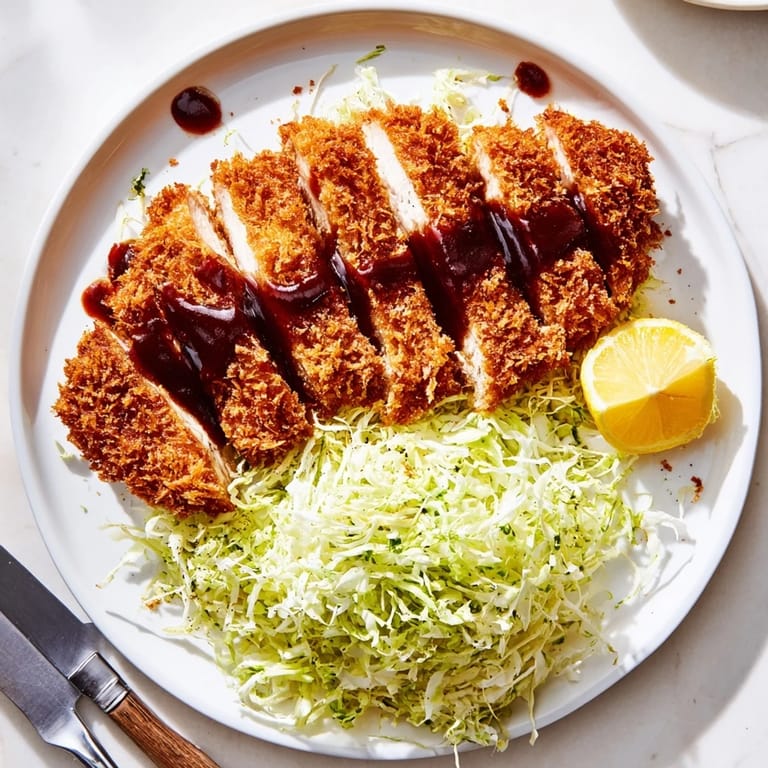
Katsu tastes best eaten within minutes of frying while the contrast between crispy and juicy is at its absolute peak, but I understand life gets messy sometimes. If you need to hold it for a bit, place the finished cutlets on a wire rack in a 180 degree oven to keep them warm while staying crispy, and never cover them with foil because trapped steam will soften that beautiful crust.
- Leftover katsu can be refrigerated for up to three days and reheated in a 180 degree oven for five to seven minutes to restore some crispiness.
- The tonkatsu sauce keeps in a sealed container for two weeks and tastes fantastic on other proteins or even drizzled over rice bowls.
- Consider making extra sauce because once people taste it, they'll want more than you probably anticipated.
 Save
Save This recipe became a favorite because it proved to me that Japanese cooking doesn't require exotic ingredients or complicated techniques to deliver authentic, crave-worthy results. The joy comes from respecting the simple process and understanding why each step matters.
Recipe FAQs
- → How do I get the panko coating extra crispy?
Let the breaded cutlets rest for 10 minutes before frying to help the coating adhere better. Make sure your oil is heated to 170°C (340°F) and avoid overcrowding the pan, which can lower the oil temperature and result in soggy breading.
- → Can I use chicken thighs instead of breasts?
Yes, boneless, skinless chicken thighs work well and remain juicy. Pound them to even thickness just like the breasts and adjust cooking time slightly as thighs may cook a bit faster due to their fat content.
- → What can I substitute for mirin in the tonkatsu sauce?
Honey makes an excellent substitute for mirin, providing similar sweetness. You can also use a combination of rice vinegar and a pinch of sugar to mimic mirin's sweet and tangy profile.
- → How do I know when the chicken is fully cooked?
The internal temperature should reach 74°C (165°F) when measured with a meat thermometer. The cutlets should be golden brown on the outside and the juices should run clear when pierced.
- → Can I bake this instead of frying?
Yes, you can bake at 200°C (400°F) for 20-25 minutes, flipping halfway through. Spray the breaded cutlets with cooking oil before baking to help achieve a crispy texture, though it won't be quite as crispy as frying.
- → How should I store leftover chicken katsu?
Store in an airtight container in the refrigerator for up to 3 days. Reheat in a 180°C (350°F) oven for 10-12 minutes to restore crispiness. Avoid microwaving as it will make the coating soggy.