 Save
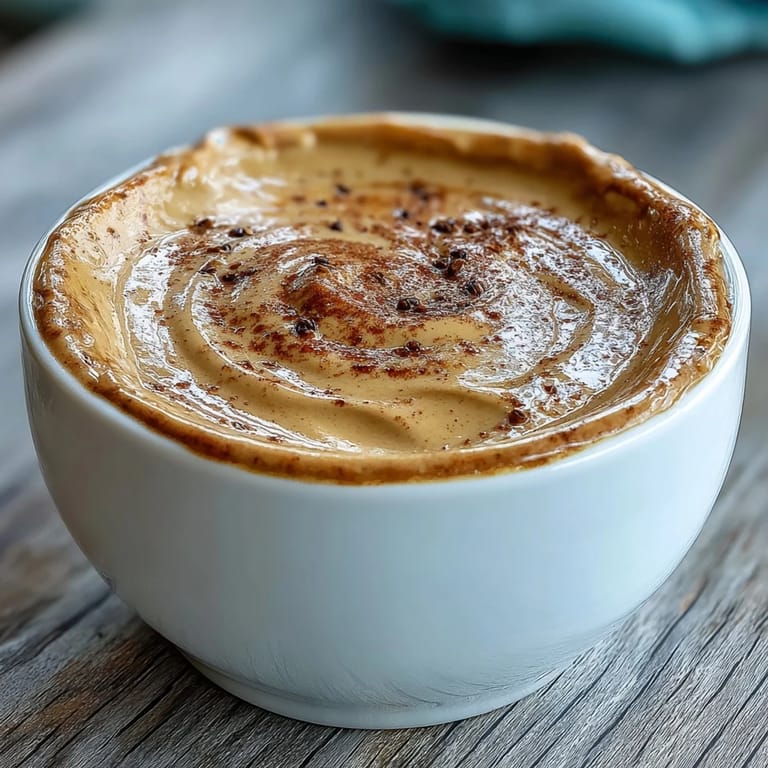
Save There's something almost meditative about the moment hojicha tea first hits warm milk—the kitchen fills with this toasted, almost caramel-like fragrance that makes you pause and just breathe it in. I discovered this pastry cream by accident, really, when I was experimenting with ways to use hojicha beyond just tea ceremonies and found myself staring at a pot of steaming milk wondering what would happen if I treated it like a proper infusion. The result was silky, nutty, and completely different from any custard I'd made before. Now it's become my secret weapon for elevating simple cream puffs into something that feels almost artisanal.
My partner's grandmother came over for afternoon tea one spring, and I'd made a batch of choux pastries filled with this cream, arranged on a gold-rimmed plate. She took one bite and got quiet for a moment—the kind of quiet that means something clicked—then asked if I'd studied pastry in Japan. I hadn't, of course, but watching her close her eyes while she tasted it taught me that good food is really just about paying attention to the details that matter.
Ingredients
- Whole milk (2 cups): The base that carries the hojicha flavor; use the best milk you have because you'll taste it.
- Unsalted butter (3 tablespoons): Adds silkiness and richness—don't skip it or use salted, as it throws off the balance.
- Hojicha loose leaf tea (3 tablespoons or 3 bags): This is your star; buy it from a Japanese grocer if possible for the deepest, most authentic roasted flavor.
- Egg yolks (4 large): These emulsify and thicken; make sure they're at room temperature for smoother whisking.
- Granulated sugar (1/2 cup): Sweetens without overpowering; the exact amount keeps the cream from becoming cloying.
- Cornstarch (3 tablespoons): The thickening agent that gives you that luxurious, spoonable consistency.
- Vanilla extract (1/2 teaspoon): A quiet anchor that deepens the tea flavor rather than competing with it.
- Salt (pinch): This tiny amount awakens all the other flavors—never skip it.
Tired of Takeout? 🥡
Get 10 meals you can make faster than delivery arrives. Seriously.
One email. No spam. Unsubscribe anytime.
Instructions
- Heat and Steep the Tea:
- Pour your milk into a medium saucepan and watch it carefully until little wisps of steam rise from the surface—you want it hot enough to really steep the tea, but not boiling or it can scald and taste off. Add the hojicha, cover the pan, and just let it sit for 10 minutes while the kitchen fills with that toasted, almost woody aroma.
- Strain with Purpose:
- Pour the milk through a fine mesh sieve into a bowl, and here's where patience matters: gently press the tea leaves against the sieve with the back of a spoon to coax out every last bit of flavor. Discard the leaves and set your hojicha-infused milk aside.
- Temper the Eggs:
- In a separate bowl, whisk together egg yolks, sugar, cornstarch, and salt until the mixture is pale and smooth—this should take about a minute and the color change is important, it means you're incorporating air. Slowly pour the warm (not hot) hojicha milk into the yolk mixture while whisking constantly; this gradual approach prevents the eggs from scrambling and creates a silky base.
- Cook to Thickened Perfection:
- Return everything to the saucepan over medium heat and whisk almost continuously for 2 to 3 minutes until you see it bubble and thicken—you'll feel the change in your arm as the cream goes from pourable to luxuriously thick. The moment you see those first bubbles breaking the surface, it's done.
- Finish with Butter and Vanilla:
- Remove from heat while it's still hot and whisk in the butter and vanilla extract until they're completely incorporated and the cream is glossy. The butter melts right in and adds a subtle richness that makes everything taste more refined.
- Prevent the Dreaded Skin:
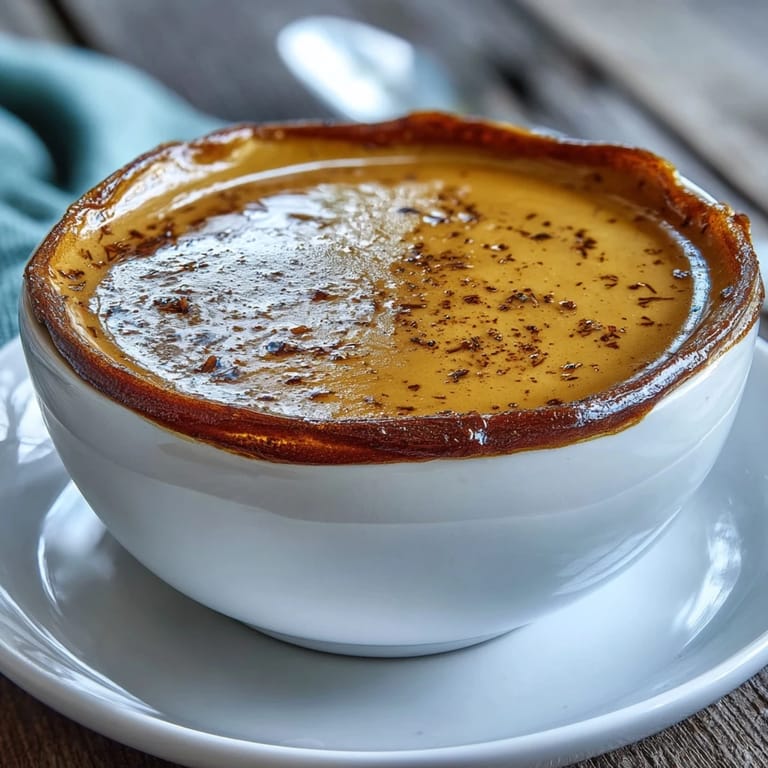
- Pour the pastry cream into a clean bowl and press plastic wrap directly onto the surface—this stops a skin from forming, which nobody wants. This step feels small but it truly makes a difference in the final texture.
- Chill and Rest:
- Refrigerate for at least an hour, or until the cream is completely cool and has set to a spoonable consistency. You can actually make this a day ahead and store it covered in the fridge.
 Save
Save Last winter, I made this cream to fill profiteroles for a small dinner party, and my friend Maria—who's pretty adventurous with food but skeptical about anything tea-flavored—took one and actually said, 'This tastes like autumn in the best way possible.' That moment reminded me that sometimes the best recipes are the ones that transport people somewhere unexpected, even if it's just to a memory they didn't know they had.
The Magic of Hojicha in Pastry
Hojicha is roasted green tea, and that roasting process changes everything—it removes the grassy, vegetal notes and replaces them with something nutty, almost caramel-like, and deeply comforting. Most people think of matcha when they imagine Japanese tea in desserts, but hojicha is the secret ingredient that feels more like a grown-up choice, something warm and sophisticated without demanding attention. Using it in pastry cream means you get all that toasted depth infused into something classic and French, which is genuinely one of my favorite flavor collisions.
When to Use This Cream
This isn't just for cream puffs, though that's its natural home—I've used it to layer cakes, pipe into fresh fruit, and even spoon it over warm poached pears. The hojicha flavor is mellow enough that it plays nicely with other components but assertive enough that it never gets lost. Think about pairing it with matcha choux pastry for a real Japanese-fusion moment, or with dark chocolate for a earthy, sophisticated contrast.
Small Variations That Matter
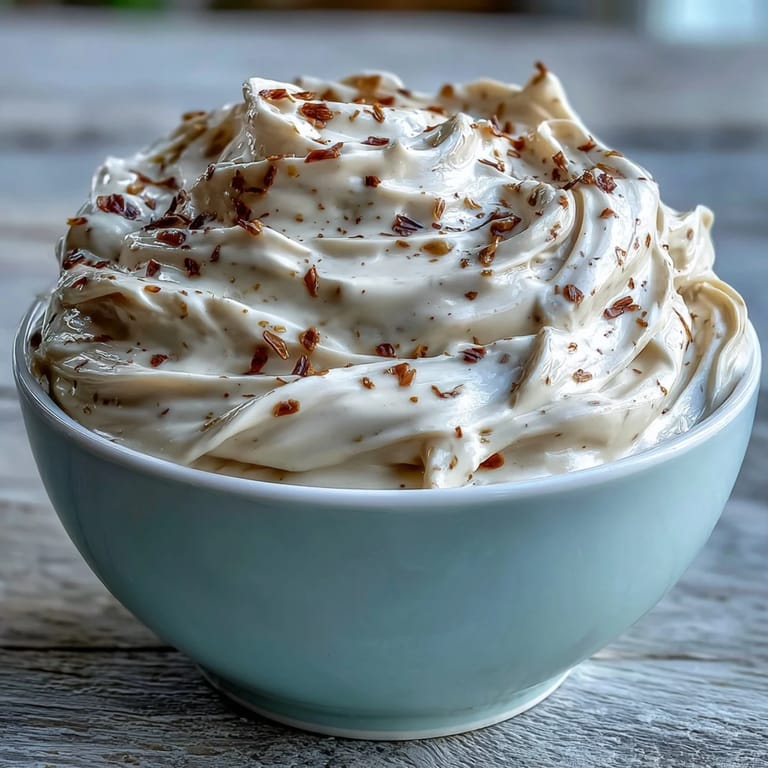
Once you've mastered the base recipe, you'll start noticing little ways to adjust it depending on what you're filling or what mood strikes you. The hojicha powder variation (using 2 teaspoons whisked directly into the milk) actually creates a slightly grainier texture but an even more intense flavor, which I prefer for cakes but not for cream puffs. For a lighter feeling, you can fold in whipped cream just before using—I did this last summer when it was hot and everyone appreciated how airy it became.
- Fold whipped cream into cooled pastry cream for a mousse-like texture that's perfect on warm days.
- Double-check your hojicha tea quality—cheap stuff tastes bitter instead of toasted, so it's worth ordering from a proper Japanese supplier.
- Always whisk the chilled cream briefly before using it, as it may have thickened slightly and needs a moment to loosen up.
 Save
Save This pastry cream has become my go-to when I want to make something that feels special without being overly complicated. Once you understand how the technique works, you'll find yourself reaching for it again and again, each time discovering new ways to use that quiet, toasted tea flavor.
Recipe FAQs
- → What makes hojicha unique in custards?
Hojicha's roasted, nutty profile infuses the custard with warm caramel notes and subtle smokiness, distinguishing it from the grassy tones of matcha or traditional vanilla creams.
- → Can I prepare this in advance?
Absolutely. The custard develops deeper flavor when chilled overnight. Keep plastic wrap pressed directly on the surface to prevent skin formation.
- → What desserts pair best with this filling?
Cream puffs and éclairs showcase the texture beautifully. It also excels as a layer between sponge cakes, inside profiteroles, or piped into tart shells.
- → How do I achieve the smoothest texture?
Whisk constantly while tempering eggs and cooking to prevent lumps. Strain through a fine-mesh sieve before chilling, then give it a brief whisk before use.
- → Can I substitute the tea?
Earl Grey or chai create lovely variations, though hojicha's signature roasted character remains irreplaceable. Adjust quantities based on tea intensity.
- → Why is my custard too thin?
Ensure the mixture reaches full bubbling while whisking. If still thin, return to low heat and continue whisking until it coats the back of a spoon thickly.