 Save
Save There was a Tuesday night when my roommate texted from the office asking if I could have dinner ready by the time she got home. I opened the fridge, stared at pasta and butter, and realized I had exactly what I needed for something that would taste far better than its ingredient list suggested. Turns out, three things—if you treat them right—can become something silky and satisfying that makes you wonder why you ever reach for jarred sauce.
My friend Marcus came over hungry and impatient, and I made this while he sat at the kitchen counter talking about his day. By the time he finished his first bite, he stopped mid-sentence. That's when I knew this wasn't just lazy-girl pasta—it was the kind of thing people actually ask you to make again.
Ingredients
- Pasta: 200 g dried pasta—spaghetti, linguine, or fettuccine all work, though thinner shapes grip the sauce better and make each bite taste richer.
- Unsalted butter: 50 g is enough to coat and emulsify; salted butter will make the seasoning harder to control.
- Freshly grated Parmesan cheese: 60 g—and please grate it yourself, because pre-grated cheese has anti-caking agents that keep the sauce from becoming silky.
- Salt: For the pasta water and finishing; kosher salt is easier to control than fine salt.
- Freshly ground black pepper: Optional but recommended for a whisper of heat.
Tired of Takeout? 🥡
Get 10 meals you can make faster than delivery arrives. Seriously.
One email. No spam. Unsubscribe anytime.
Instructions
- Boil the pasta:
- Fill a large pot with salted water—it should taste like the sea—and bring it to a rolling boil. Add the pasta and cook until al dente according to the package instructions, which usually means around 9 to 11 minutes depending on thickness.
- Save the water:
- Before draining, scoop out about 150 ml (roughly two-thirds of a cup) of the starchy cooking water into a cup or mug. This is liquid gold; it's what transforms butter and cheese from a coating into actual sauce.
- Toss with butter:
- Return the drained, still-hot pasta to the empty pot off the heat. Add the butter immediately and toss constantly until it melts and coats every strand. The residual heat does the work here.
- Create the sauce:
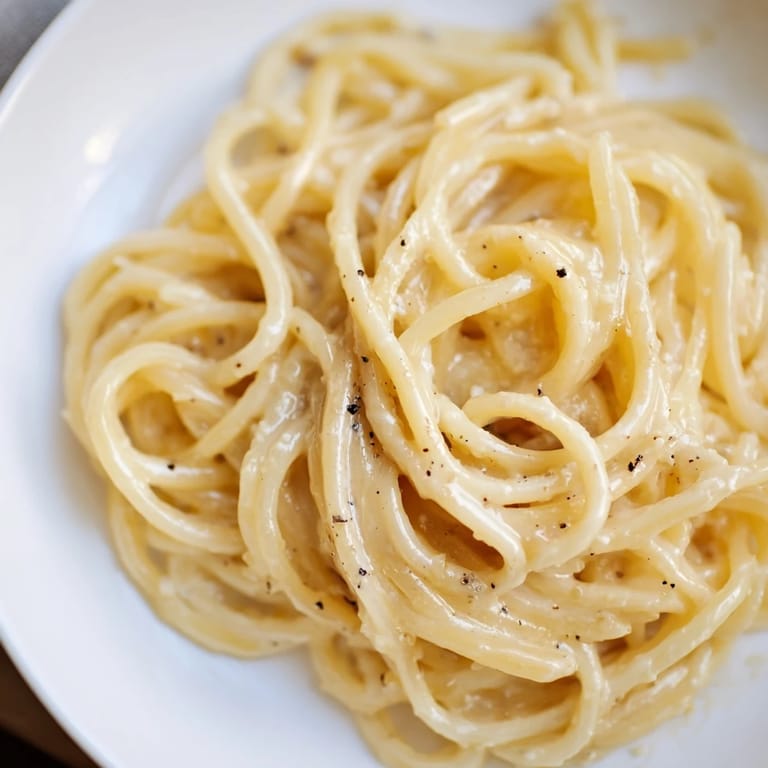
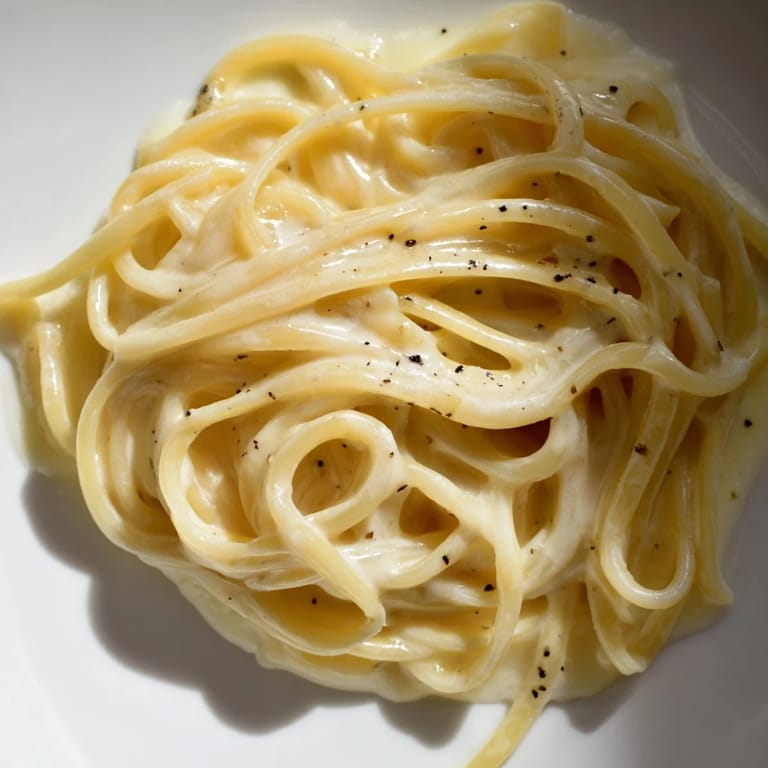
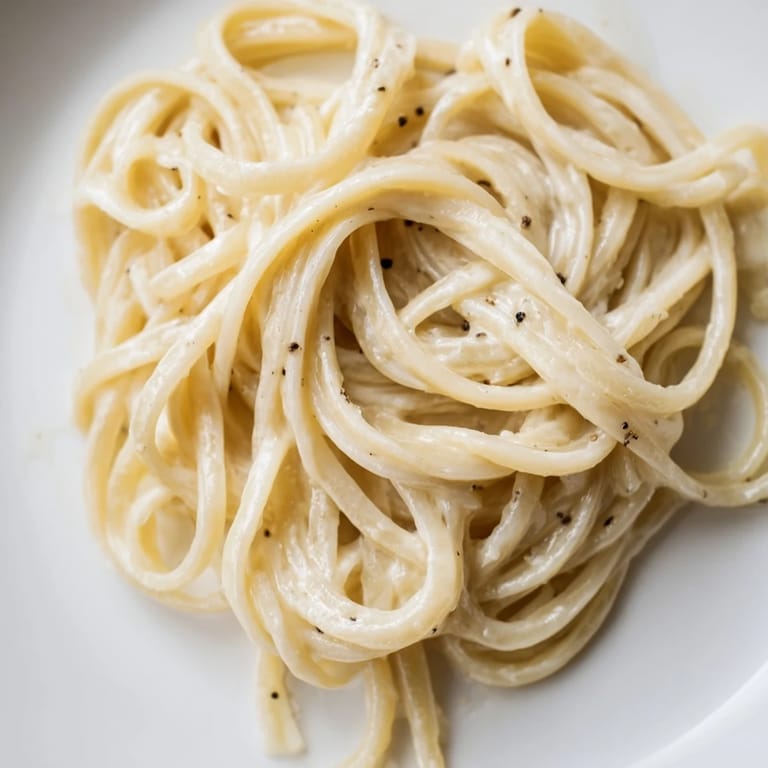
- Sprinkle the Parmesan over the buttered pasta, then pour in about 60 to 80 ml of the reserved pasta water. Toss vigorously—almost frantically—for about a minute until the mixture transforms into a glossy, creamy sauce that clings to the pasta. If it feels too thick, add a splash more water.
- Finish and serve:
- Taste it, add salt and pepper if needed, and serve immediately while everything is still warm and silky. This dish waits for no one.
 Save
Save I made this for myself on a rainy Sunday after a long week, sitting down to eat before the steam even left the bowl. Something about the warmth, the simplicity, and the fact that it was ready in less than twenty minutes felt like the kitchen had given me exactly what I needed without me having to ask.
Why This Works So Well
The magic here is emulsification—a fancy term for how fat, starch, and water come together to create something smooth instead of greasy. When you toss hot pasta with butter and pasta water, the heat and the starch help them blend into one creamy sauce. Add Parmesan, which contains proteins that also help this process along, and suddenly you have something that tastes rich and intentional. It's the same technique used in restaurant kitchens, just scaled down to the size of your kitchen and the speed of your hunger.
How to Build Flavor Without More Ingredients
The beauty of this dish is that it doesn't need much—but what it does have should be excellent. Use whole Parmesan blocks and grate them fresh. Buy butter from a brand you trust. Cook the pasta to actual al dente, not soft. These small choices compound into something that tastes way more complicated than it is. Some nights I add a pinch of nutmeg or a handful of torn basil or parsley, which feels like I've done something special without actually doing much at all.
Customizations That Actually Elevate This
The three-ingredient version is perfect on its own, but there's room to play. Swapping Parmesan for Pecorino Romano gives you a sharper, almost salty bite that some people prefer. A tiny amount of lemon zest at the end brightens the whole thing. I've tossed in red pepper flakes for warmth, fresh mint for something unexpected, and even a drizzle of good olive oil for richness. The key is restraint—add one or two things at most, because the whole point is elegance through simplicity.
- Pecorino Romano brings a sharper edge that cuts through the richness.
- A squeeze of fresh lemon juice wakes everything up without adding another ingredient to track.
- Gluten-free pasta works just fine if you need it, and the sauce doesn't know the difference.
 Save
Save This pasta reminds me that sometimes the best cooking isn't about complexity—it's about respecting your ingredients and knowing when to stop. It's perfect for nights when you're tired, when you're hungry, or when you just want something that tastes like it came from somewhere good.
Recipe FAQs
- → How does the pasta water help the sauce?
The starchy pasta water binds the butter and cheese, forming a creamy and smooth sauce that clings to the noodles.
- → Can I use different types of pasta for this dish?
Yes, long pasta varieties like spaghetti, linguine, or fettuccine work best to hold the delicate sauce.
- → What can I add to enhance the flavor?
A pinch of nutmeg or fresh herbs like parsley can add aromatic depth and freshness to the dish.
- → Is it possible to substitute Parmesan cheese?
Pecorino Romano makes a sharper alternative, bringing a bolder taste if preferred.
- → How do I ensure the sauce doesn’t become too thick or thin?
Add reserved pasta water gradually while tossing until the desired creamy consistency is achieved.