 Save
Save I discovered this dish on a rainy afternoon while flipping through travel photos from three different trips—one to Greece, another to Bangkok, and a brief stay in Istanbul. Each memory came with a flavor, a scent, a kitchen moment I couldn't quite forget. That evening, instead of making one thing, I asked myself: what if I brought them all together? The result was this beautiful, chaotic arrangement of three flavor worlds sharing one table, and I've been making it ever since.
I made this for a dinner party once where my guests had wildly different tastes and dietary needs. Instead of cooking separate meals, I just set out these three vibrant piles and let them choose. Watching people who normally don't talk build their own plates together, passing the sesame seeds and debating whether cilantro or mint worked better—that's when I realized this wasn't just a recipe, it was a conversation starter.
Ingredients
- Mediterranean Cluster—Extra-Virgin Olive Oil: Use the good stuff here; it's the foundation that brings richness to the eggplant and keeps everything from tasting too vegetal.
- Mediterranean Cluster—Eggplant: Choose one that feels firm and heavy for its size; the soft ones turn mushy and bitter.
- Mediterranean Cluster—Oregano: Dried oregano has more punch than fresh in this application, which is why I reach for it here.
- Asian Cluster—Toasted Sesame Oil: This is not the cooking oil; it's the finishing oil with deep nutty flavor, so keep it in reserve and add it at the very end.
- Asian Cluster—Shiitake Mushrooms: Their earthiness transforms into something almost meaty when seared hard, which is what we're after.
- Asian Cluster—Soy Sauce: Tamari works perfectly if you need gluten-free, and honestly, I sometimes use it anyway because it feels less salty.
- Middle Eastern Cluster—Chickpeas: Canned is fine; just rinse them well so they're not slippery or starchy.
- Middle Eastern Cluster—Spice Blend: Cumin, coriander, and cinnamon together create warmth that sneaks up on you—toast them lightly in the pan before adding other ingredients if you have whole seeds.
- Garnishes—Toasted Sesame Seeds: Toast them yourself if you can; they become fragrant and alive instead of dusty and flat.
Tired of Takeout? 🥡
Get 10 meals you can make faster than delivery arrives. Seriously.
One email. No spam. Unsubscribe anytime.
Instructions
- Get your mise en place ready:
- Chop everything and arrange it by cluster before you turn on any heat. This matters because the cooking happens fast, and you'll need to move with confidence. Line up your three skillets, and if you only have two, that's okay—one cluster can rest while you finish another.
- Build the Mediterranean cluster:
- Heat that olive oil until it shimmers, then add the eggplant first. Let it sit for a moment before you stir; it needs to touch hot metal to get a little color and texture. The vegetables want to soften together, so add them gradually and let them know they're in a warm place.
- Wake up the Asian cluster:
- Sesame oil has a lower smoke point than other oils, so medium-high heat is your friend here, not scorching heat. Watch the mushrooms sear and darken—that's where the flavor lives. When you add the snap peas, they should still have a little snap to them when they hit the plate.
- Coax flavor from the Middle Eastern cluster:
- Start with the red onion so it softens and turns a little jammy at the edges. When you add the spices, they'll wake up in that warmth, and your whole kitchen will smell like a spice market. The bulgur or quinoa just needs to warm through and absorb all those flavors.
- Come together:
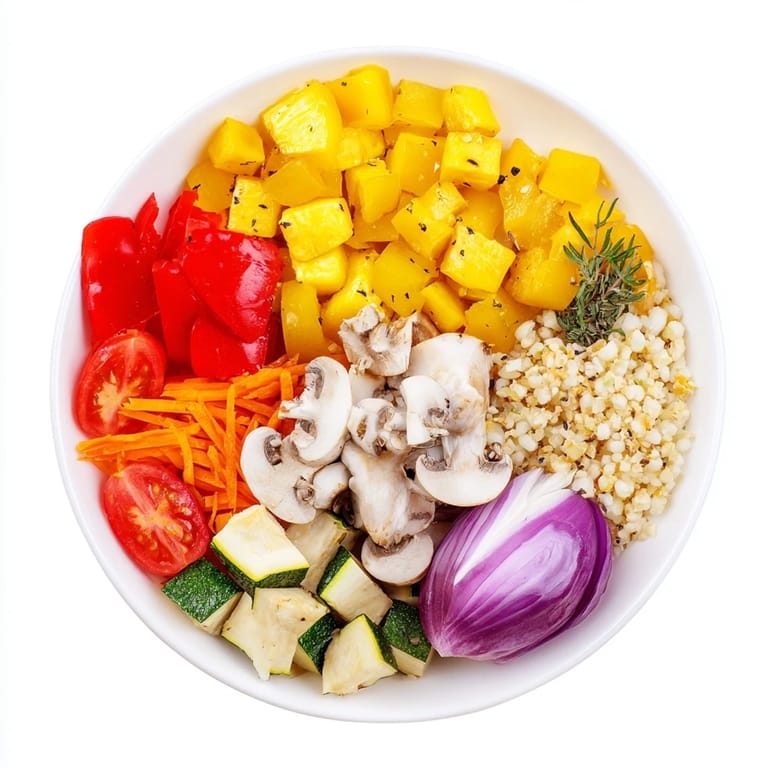
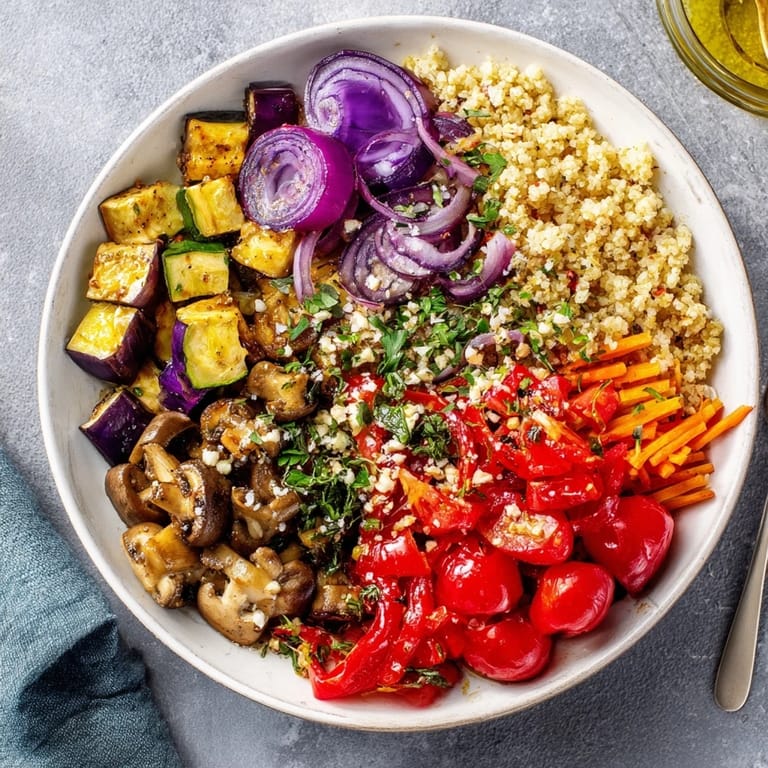
- Arrange the clusters side by side—they should still be warm and separate, each one distinct. This is where the magic happens; the colors tell the story better than any words can.
 Save
Save The first time someone at my table mixed all three clusters together, I almost said something to stop them. Then I tasted what they'd made—this wild, unexpected combination—and I understood that the point was never following the rules. It was giving people permission to make something their own.
The Art of the Three-Pan Dance
Cooking three clusters at once sounds more complicated than it is. The secret is understanding that they don't need to finish at the exact same moment; in fact, it's better if they don't. The Mediterranean cluster takes longest, so start there. The Asian cluster cooks fastest, so save it for last. This way, everything hits the plate warm, not just warm-ish. If you're cooking for two instead of four, halve each cluster and use just one or two pans—the timing and technique stay exactly the same.
Playing with Proteins
This recipe lives perfectly fine as vegetarian, but it also welcomes protein like an old friend. Grilled chicken shreds beautifully over the Mediterranean cluster; crispy tofu cubes belong with the Asian vegetables; lamb—warm and spiced—feels right at home in the Middle Eastern section. Cook your protein separately and season it with whispers of the spices from its cluster, so everything tastes like it was meant to be together.
Serving and Sharing
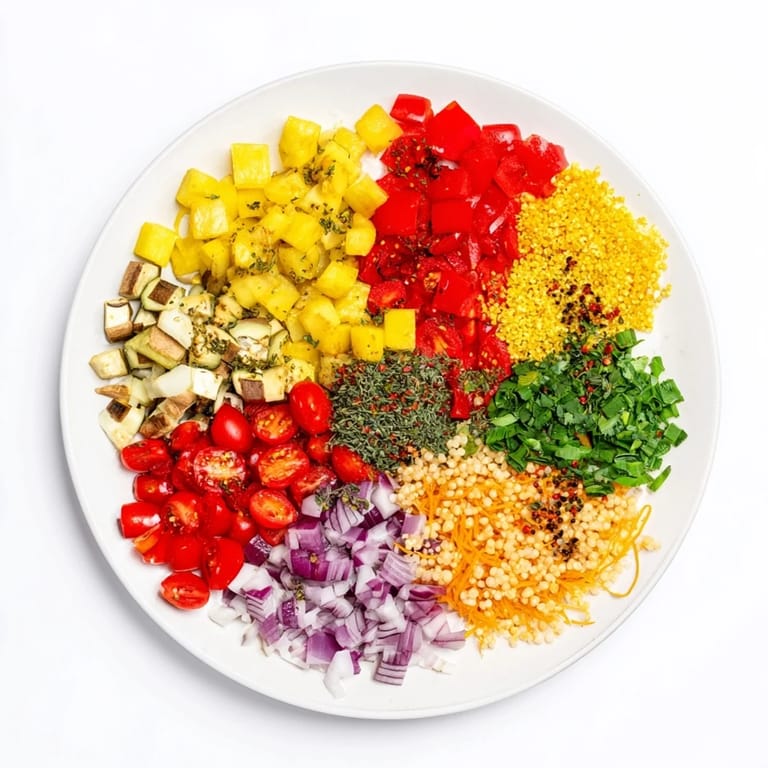
The beauty of this dish is that it invites participation. Set everything out on a large platter or arrange individual plates with clear separation between the clusters, then let people build. Some guests will keep everything apart; others will make chaos and find beauty in it. Serve with flatbread or rice to anchor the flavors and give people something to hold onto. This is the kind of meal that tastes different depending on how each person approaches it, which is exactly the point.
- Pair it with a crisp Sauvignon Blanc to echo the Mediterranean freshness, or a light Pinot Noir if you're in a red wine mood.
- Make it vegan by skipping the feta and letting the vegetables and spices take center stage.
- Leftovers taste even better the next day when the flavors have had time to mingle in the fridge.
 Save
Save This dish taught me that the best recipes aren't about perfection; they're about invitation. When you put three different worlds on one table and let people decide how to bring them together, something honest happens. Make it, share it, and watch where it takes the conversation.
Recipe FAQs
- → What are the main flavor components of the dish?
The dish features three distinct clusters combining Mediterranean vegetables with herbs like oregano, Asian elements like shiitake and ginger, and Middle Eastern notes from cumin, cinnamon, and chickpeas.
- → Can this dish accommodate vegan preferences?
Yes, simply omit the optional feta cheese and ensure all oils and condiments are plant-based for a fully vegan meal.
- → What cooking techniques are used for each cluster?
Sautéing is the primary technique, with individual ingredient clusters cooked separately in skillets to preserve distinct flavors and textures.
- → How can protein be added to enhance the dish?
Grilled chicken, tofu, or lamb can be incorporated into any cluster based on dietary preference to boost protein content.
- → What pairings complement this dish well?
Serving with flatbread or steamed rice pairs nicely, while a crisp Sauvignon Blanc or light Pinot Noir wine provide a balanced accompaniment.